skip to content
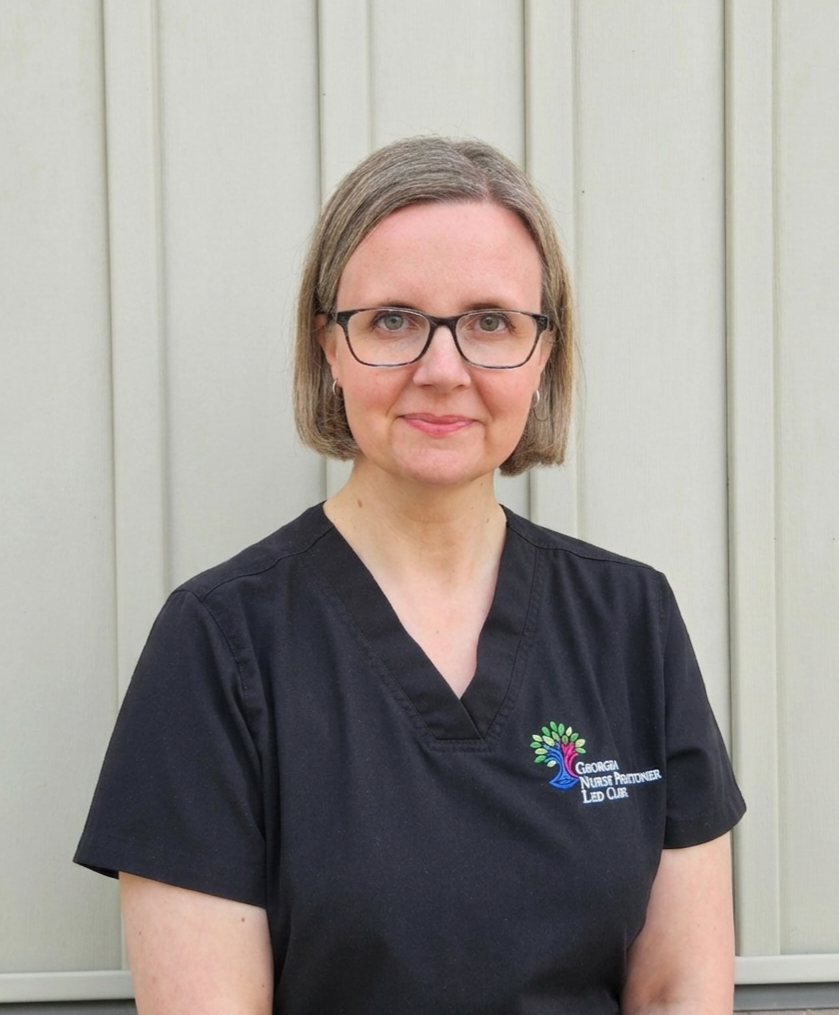
Andrea Harrison-Hercun, Physiotherapist at a Nurse-Practitioner Led Clinic

As one of only two physiotherapists currently working within a Nurse Practitioner-Led Clinic (NPLC) in Ontario, Andrea Harrison-Hercun is demonstrating the value of physiotherapy in team-based primary care. 

Working three days per week at the Georgina Nurse Practitioner-Led Clinic (GNPLC), Andrea provides physiotherapy services to patients who might otherwise face significant barriers to accessing care. Patients are typically referred by the clinic’s nurse practitioners (NPs), usually when they do not have extended health benefits or have exhausted publicly funded post-surgical or other OHIP rehabilitation services. 

“I am the only physiotherapist at our clinic” Andrea explains. “If one of the nurse practitioners has a patient who they feel requires physiotherapy, they refer them to me if they do not have extended health benefits.” 

The clinic has also built flexibility into its referral process to ensure patients with urgent needs can be seen quickly. Andrea maintains dedicated urgent appointment slots for conditions such as vertigo, paediatric concerns, and patients at high risk of falls. 

A Natural Fit for Team-Based Care 

Andrea’s path to primary care physiotherapy was shaped by years of experience across multiple practice settings. She has worked in: 

  • hospital outpatient services,  
  • the neonatal intensive care unit (NICU),  
  • school-based care through the Children’s Treatment Network,  
  • and private practice. 

Her interest in primary care grew through her work alongside physicians and through conversations about the challenges many patients face when trying to access physiotherapy services. 

Andrea reflected on conversations with the many physicians she has worked with over her career, including even her own family physician: 

 “We would have [conversations] about his frustration with recommending physio and some patients not being able to access physio if they didn’t have benefits and didn’t qualify for OHIP,” she says. “It made so much sense to me that physiotherapists should be part of a primary care team!” 

When an opportunity became available at the Georgina Nurse Practitioner-Led Clinic, Andrea knew it was the right fit –  “I jumped at the chance to apply!” 

Expanding Access to Care 

One of the most significant advantages of having physiotherapy embedded within primary care is improved access for patients who may otherwise go without treatment. Andrea sees firsthand how physiotherapy services within an NPLC can bridge gaps in care, particularly for patients with chronic musculoskeletal conditions, mobility challenges, arthritis, balance concerns, and those recovering from surgery. 

John Holbrook, Nurse Practitioner and Clinic Director of Georgina Nurse Practitioner-Led Clinic
John Holbrook, GNPLC Clinic Director

According to Nurse Practitioner and Clinic Director John Holbrook, the addition of a physiotherapist has strengthened the clinic’s ability to serve patients with complex needs:  

“Adding a physiotherapist has enhanced our ability to accept and retain patients with complex musculoskeletal and mobility-related needs,” John says.  

“Having a physiotherapist available within the clinic increases confidence that we can provide comprehensive care without relying solely on external referrals, making attachment more sustainable and improving the overall patient experience.” 

The impact extends beyond access alone. John notes that the clinic has observed: 

  • faster access to assessment and treatment,  
  • earlier intervention for musculoskeletal concerns,  
  • improved patient function and mobility,  
  • more appropriate use of diagnostic imaging and specialist referrals, 
  • and increased patient satisfaction through coordinated team-based care. 

Collaboration in Action 

Perhaps the most distinctive feature of Andrea’s role is the close collaboration she shares with nurse practitioners and other healthcare professionals. “Our team is great at working together,” Andrea says. 

As a valued member of the team, Andrea is frequently consulted by nurse practitioners when assessing musculoskeletal concerns, reviewing imaging results, or determining whether physiotherapy may be an appropriate treatment option. Likewise, Andrea can connect patients directly with other team members when concerns arise outside her scope of practice. 

“If I see a patient and they start talking about their stress at home and I am concerned about them, I can talk to our social worker and get them seen; or if a patient has questions about wanting to lose weight or eat better to manage their blood pressure, we can book them with our dietitian.” 

This collaborative environment allows patients to receive timely support from multiple providers without navigating separate referral pathways or lengthy waitlists. 

John notes that Andrea “has become a key clinical partner in managing musculoskeletal conditions.” He adds that “as a nurse practitioner, I can focus on diagnosis, medical management, and complex chronic disease care while collaborating with the physiotherapist on rehabilitation, exercise prescription, mobility assessments, and functional improvement plans.” 

Redefining Physiotherapy in Primary Care 

Working directly alongside primary care providers has also changed how Andrea delivers care. In traditional practice settings, communication with physicians often involved writing reports and waiting for responses, whereas within the NPLC model, those conversations happen in real time. 

“If I think they need imaging, all I have to do is ask and they order it” Andrea explains, “and if I think cortisone could be a good idea, it usually gets done.” 

The ability to collaborate directly with nurse practitioners allows concerns related to pain management, medication, inflammation, imaging, or specialist referrals to be addressed quickly and efficiently. This integrated approach supports earlier intervention and helps patients access the right care at the right time. 

Beyond Individual Patient Care 

Andrea’s role extends beyond one-on-one treatment. She contributes to a variety of health promotion and education initiatives offered through the clinic. 

The team currently runs the GLA:D® program for arthritis management and has offered educational sessions for parents on topics such as tummy time, safe sleep, infant feeding, and infant CPR. The clinic also hosts summer cooking camps and other community-focused programming. The clinic also collaborates with nearby Family Health Teams on educational initiatives, highlighting the unique role physiotherapy plays within the NPLC model. 

Rewards and Challenges 

For Andrea, the greatest reward is knowing that she is helping people who might otherwise be unable to access physiotherapy services. At the same time, being the clinic’s sole physiotherapist can occasionally present challenges, such as not having intra-professional colleagues with whom she can brainstorm and learn from. 

Advice for Physiotherapists Considering Primary Care 

For physiotherapists interested in working in collaborative healthcare settings, Andrea’s advice is simple: “Do it! Primary care is an amazing setting to work in, and being able to work directly with doctors and nurse practitioners is such a refreshing change.” Andrea adds that “working with a team of social workers, dietitians, and occupational therapists is rewarding when you can offer team-based care.” 

As one of only two physiotherapists currently embedded within Ontario’s Nurse Practitioner-Led Clinics, Andrea’s experience and contributions highlight the important role physiotherapists play in improving access, enhancing collaboration, and strengthening primary care for patients and communities alike. 

Check out Andrea highlighting physiotherapy at GNPLC during National Physiotherapy Month on Instagram. 

Are You our Next Member Spotlight?

Do you want to be featured? Are you in an innovative role? Spoken about physiotherapy in a podcast or the news? Published an article? Or represented the physiotherapy profession through advocacy?

We want to celebrate you as a physiotherapist, PT or PTA student or PTA!

Details

Date

August 19, 2026