skip to content
take action

Sign OPA’s Petition

The Ontario Physiotherapy Association sounded the alarm on April 15, 2026, regarding the lack of funding for the Community Physiotherapy Clinic (CPC) Program.

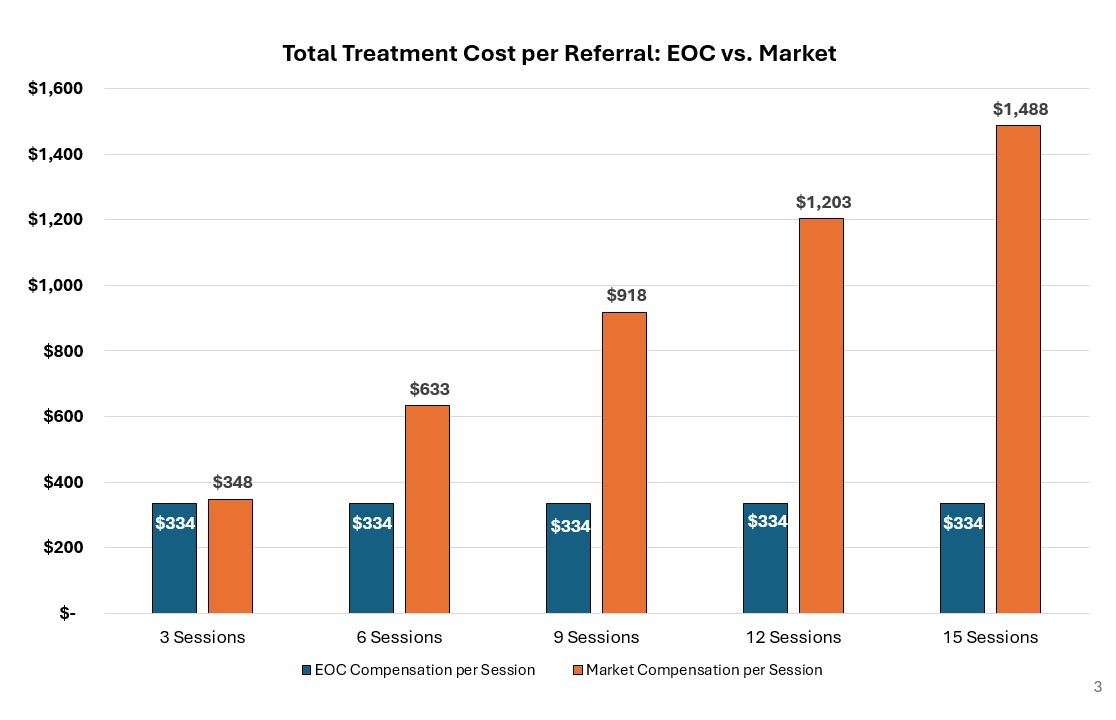
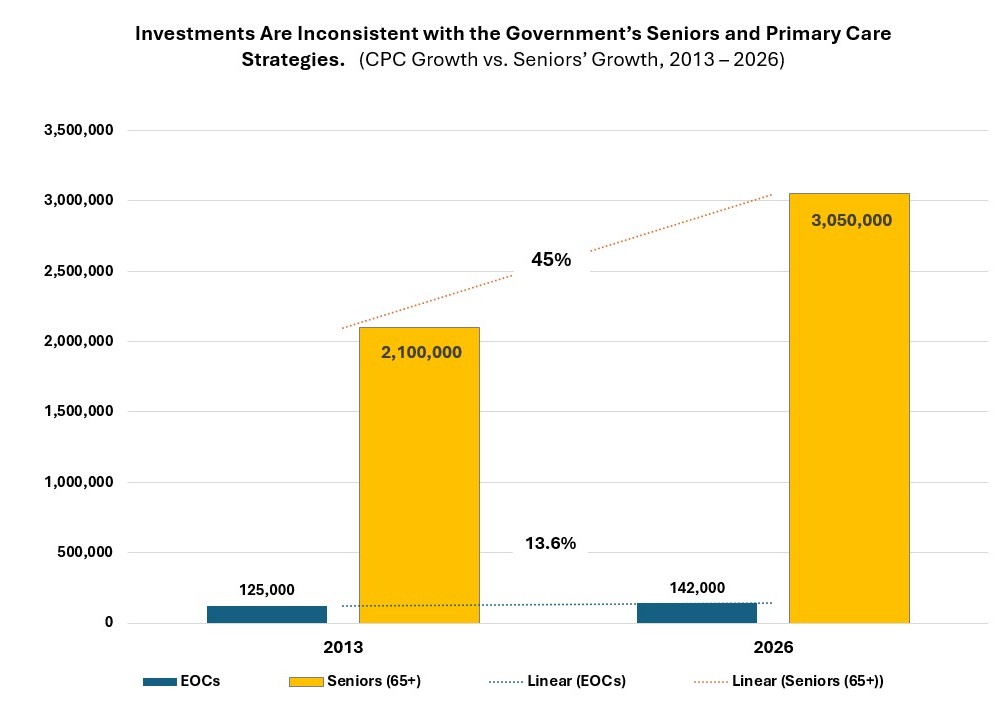
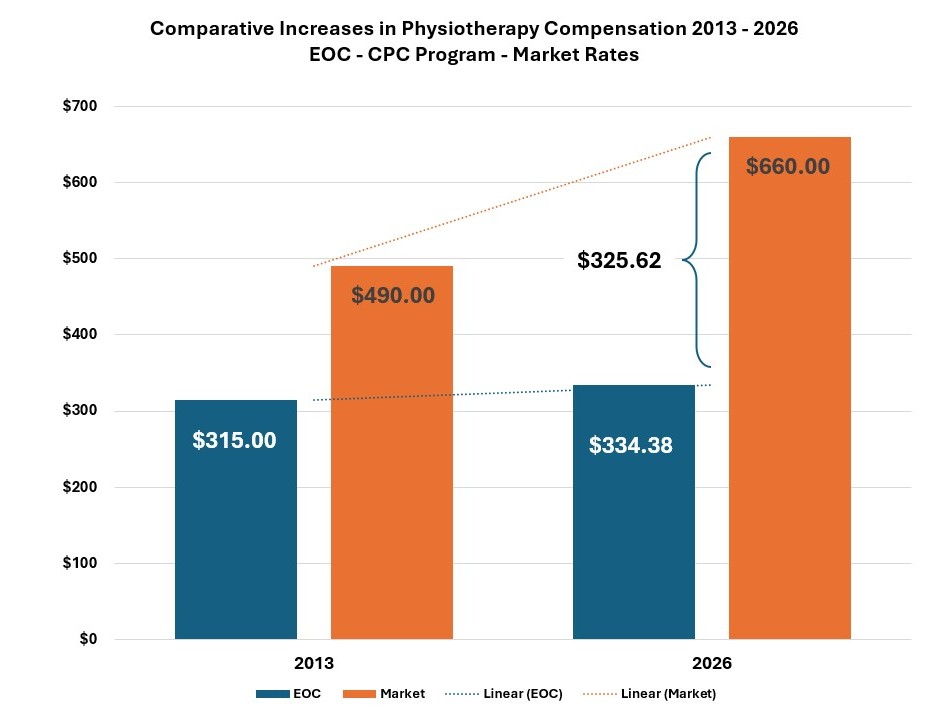
The Government of Ontario recently notified CPC clinics that there is no increase in patient funding or program capacity for the next two years. Despite a proven track record of saving healthcare dollars, the program has been pushed to a breaking point due to chronic underfunding over the last 13 years.

share the petition

Help OPA Advocate

We encourage the physiotherapy community to share this petition with others. Send this petition link to clients, colleagues and friends.

Or download and print your own copy of OPA’s petition to get more signatures. Send your signed petition to OPA at physiomail@opa.on.ca and we will submit it for you.

About

About the Community Physiotherapy Clinic (CPC) Program

The Community Physiotherapy Clinic Program is a well-established publicly funded program that provides access to essential physiotherapy services for eligible Ontario residents. Launched in 2013, the CPC Program has provided almost 10 million physiotherapy treatments through partnerships with over 200 community clinics and outpatient hospital facilities across Ontario.

reducing emergency department burden & keeping seniors at home

CPC Program Impact

For many Ontario residents, the CPC program is the only access to critical publicly funded physiotherapy services; reducing pain, improving mobility and restoring function. This is particularly true in rural and remote communities. Across the province, over 80% of CPC services are for seniors over the age of 65, making the program a proven and vital foundation to keeping seniors safe and independent at home. The Program also reduces the burden on primary care, visits to emergency departments, and inpatient admissions.

“We have so many vulnerable patients, the longer they delay/wait for access, the higher the likelihood of increased disability…which ultimately leads to increased care/demand on the public system” – CPC Program Provider

We service an aging population in a rural area with most seniors not having extended health benefits. Our senior population is growing as are their needs, with reducing services in hospitals and lack of timely access to medical professionals leads to further disability to this age group. – CPC Program Provider

Access to physio for early intervention is helpful as we act in some cases as a liaison to their primary health care provider (wait times can be weeks) to request further testing, intervention etc– CPC Program Provider

“Many of our elderly patients will say that they have to choose between waiting 2 months for therapy or eating.” – CPC Program Provider

“We are in a rural, underserviced area that there only alternative is to go ER with concerns…shoulder strains, low back pain etc…people in our area know they can get in quickly to see a physiotherapist, so they can access us instead of going to ER.” – CPC Program Provider

“Withdrawal from the program would mean increased primary care provider visits, increased specialist referrals and wait times and an increase in potentially avoidable surgeries and prescriptions.”

“…the only place for clients to access pessary fitting services in North West and North East Ontario Health Regions is with us. Otherwise, clients have to drive eight hours in one direction or four in the other. We use the program to provide postnatal pelvic therapy, children and elderly patients that would otherwise have no access to physiotherapy services.”

“Many of the women accessing pelvic therapy come from situations of domestic violence or abuse. They are only able to access therapy through CPC funding. Others are coming post-partum and therapy helps them avoid incontinence, pelvic organ prolapse and pain in the future.”

ministry of health (Moh)

Alignment with MoH Priorities

“Every elderly, frail patient who walks into physiotherapy and works on their balance and strength is a potential ED visit avoided because of the decreased risk of falling and the increase in function. Unattached patients who are struggling with pain are able to manage through therapy instead of an ED visit for pain medication.”

The Ontario government is continuing their commitment to care that is patient-centered, connected, and convenient. This has been supported by investments in primary care, home and community care, hospitals and long-term care. The Community Physiotherapy Clinic program impacts multiple sectors, and supports key government priorities and investments including;
• Shifting care to the community
• Supporting seniors at home
• Linking investments in primary care, home care, LTC and seniors accessibility
• Offloading emergency departments and wait times
• Reducing ALC beds and waits

funding & capacity risks

Current Risks to the Community Physiotherapy Clinic Program

Program elibility

Who Can Access the CPC Program

The Community Physiotherapy Clinic program is for people experiencing a decline in their function or movement due to recent illnesses, injuries, accidents, or surgeries, or who are experiencing flare ups or worsening symptoms from a previous fall, accident, surgery, or chronic condition.
It is accessible by individuals who have a valid Ontario health card, are either 65 years or older, 19 years or younger, or any age if they were discharged from outpatient clinics or from hospitals following an overnight stay within the previous 12 months. Patients receiving funding under the Ontario Disability Support Program (ODSP) or Ontario Works (OW) Program are also eligible.
Patients can self-refer to the Program by contacting a CPC clinic directly or with a referral from a primary care provider. Direct access to the program reduces the number of visits to primary care providers.
epsidoes of care (eocs) & transfer payment agreements (tPAs)

CPC Structure and Regional Distribution

Program participants are allocated a certain number of Episodes of Care (EOCs) each year. Each EOC is provided for a specific condition. Patients may receive multiple EOCs to treat multiple conditions either concurrently or successively.

Program participants hold a Transfer Payment Agreement (TPA) with the Ministry of Health (MoH). The TPAs are renewed every two years, with the renewal date being April 1.

Approximately 90 percent of EOCs are allocated to community clinics and 10 percent to hospital-based clinics.
community physiotherapy clinics save health care dollars

CPC Structure and Regional Distribution

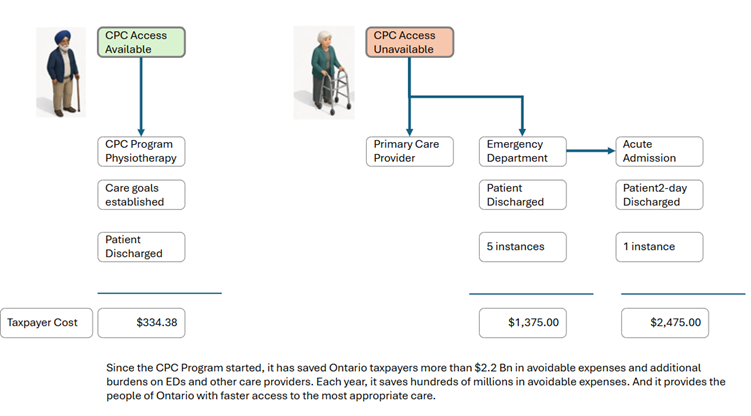
Every Dollar Invested in CPC Saves Four Dollars of Preventable Downstream Expenses.
Since its launch, the CPC Program has saved Ontario taxpayers nearly $2 billion. It has also prevented unnecessary surgeries and ED admissions, and helped seniors and vulnerable clients live independently and with dignity.

get involved

Send a Letter Directly to Your MPP

The Ontario government has announced that there will be no increase to Community Physiotherapy Clinic Program funding or the number of episodes of care this year. We need your voice to help change that decision.

The most effective action you can take is to contact your local MPP and urge them to speak up for physiotherapy patients and clinics. OPA has prepared letters you can personalize and send by email.

member of provincial parliament (mpp) letters

Download Letter & Send to your MPP

A Call to action

Get Involved

Write to Premier Doug Ford and Health Minister Jones, encouraging them to address the decision for a zero increase in funding for the CPC Program.

We continue to advocate for increased funding and expanded volumes. 
Read the letter below, add your name and email, and click send.

CPC Program Letter to Doug Ford & Sylvia Jones

This field is for validation purposes and should be left unchanged.
Email(Required)