skip to content
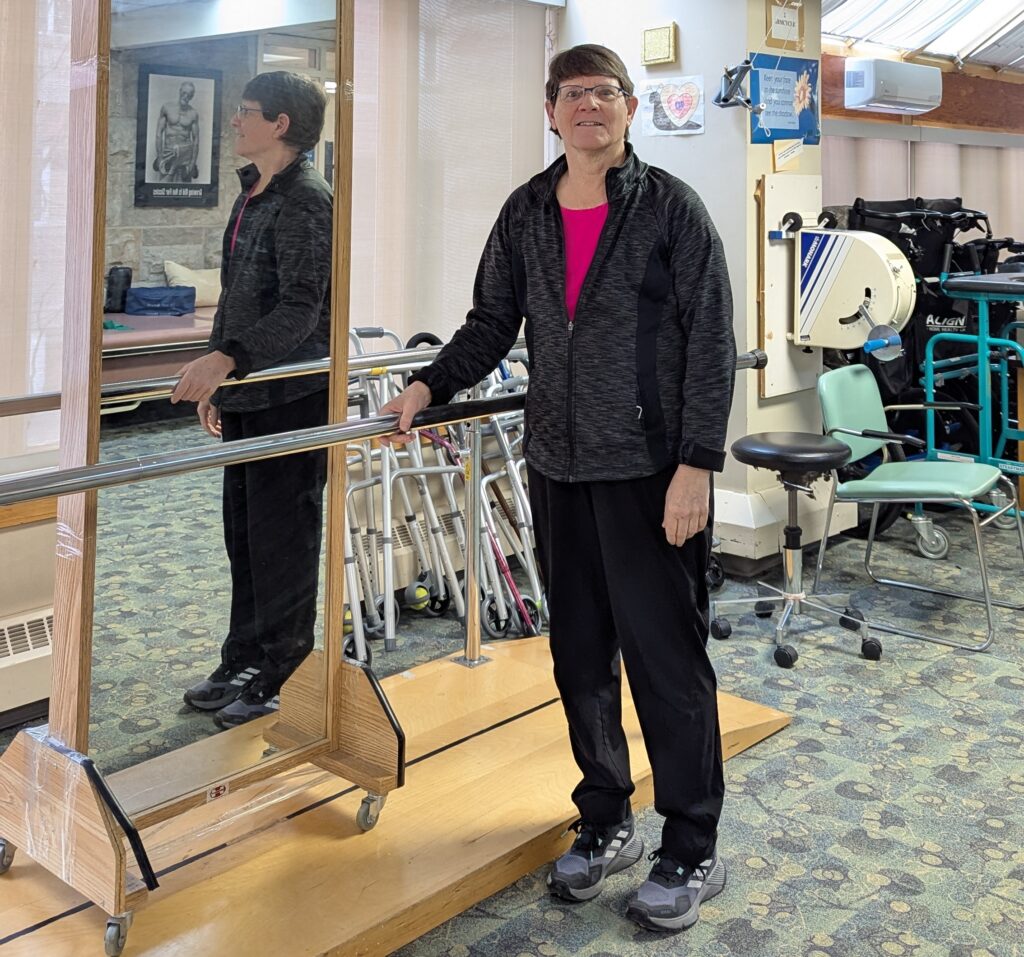
Sarah Emery, Physiotherapist working in long-term care sector in Ontario

Sarah’s path into long-term care was not something she initially planned. Rather, it grew organically from her early career experiences.

Sarah was the owner of a physiotherapy clinic and began receiving requests to provide services in long-term care homes across Eastern Ontario. As she built relationships and demonstrated her expertise, the demand steadily increased.

She reached a turning point when it became clear that the need for physiotherapist services in long-term care was both significant and ongoing. Sarah made the decision to sell her clinic and dedicate herself fully to the sector, and she has never looked back. “I have had no regrets since making that professional decision,” says Sarah.

Wearing Many Hats in Leadership

Today, Sarah works as a Registered Physiotherapist in long-term care, where her role extends far beyond traditional expectations. When she is not conducting diverse assessments, she serves as a consultant in essential clinical areas including wound management, pain management, fall prevention, and mobility.

For Sarah, leadership is embedded in everyday practice. She provides education to staff on topics like fall prevention, safe transfers, and injury prevention, while also contributing to key committees focused on falls, wounds, and least restraint policies. Sarah’s work is monumental in shaping policies and improving care practices that support wellbeing and quality of life for long-term care residents.

In addition to her physiotherapist responsibilities, Sarah has taken on a broader leadership role as a Clinical Lead with Lifemark Seniors Wellness. In this capacity, she mentors physiotherapists across Ontario, supporting both new graduates and experienced clinicians entering the sector. She finds fulfillment in guiding others through what she describes as a “very-challenging sector of elder care.”

Making a Meaningful Impact

From the moment a resident enters long-term care, Sarah becomes an integral part of their journey. She helps create safe and functional living spaces, ensures appropriate equipment is in place, and develops treatment plans tailored to each person’s needs.

Sarah explains that physiotherapy plays a crucial role in slowing physical decline and maintaining independence. She works closely with care teams, families, and other professionals to address evolving needs. Without this intervention, she notes that residents would face increased risks of immobility, pain, falls, and overall decline.

Beyond the Scope of Physiotherapy

Working in long-term care has allowed Sarah to push beyond the traditional boundaries of what it means to be a physiotherapist. She emphasizes that physiotherapists in this setting are not only direct care providers but also key consultants and collaborators, contributing to areas such as palliative care, behavior management, and broader decision-making that shapes resident care.

Sarah adds that interdisciplinary collaboration is central to her work. She regularly engages with physicians, nurse practitioners, dieticians, and other staff to address complex care needs. Her involvement also extends into shaping practices and guidelines, including contributing to a Safe Operation Policy related to power mobility devices and the medicinal use of prescription cannabis in long-term care.

Rewards, Challenges, and Growth

For Sarah, long-term care work is deeply fulfilling and meaningful, not only to her, but to the individuals she supports. “The most rewarding part is that I get to influence an individual’s life and journey during the final stages of their life. Each resident has a story, and I get to hear it and have some impact on their end-of-life journey,” Sarah explains.

Despite these challenges, Sarah says the experience has shaped her into a stronger leader. Working in a highly collaborative, interdisciplinary environment has broadened her perspective and deepened her understanding of care needs and barriers.

Encouraging the Next Generation

Sarah encourages physiotherapists and students who are curious about long-term care to experience it firsthand: “I encourage my fellow PTs to come and spend a week in LTC. You may be challenged, you will definitely have fun, and you will use every physiotherapy-based knowledge source you ever learned.”

For those considering leadership roles, her advice is simple: “Knowledge and experience should be shared and built upon. Go for it!”

Are You our Next Member Spotlight?

Do you want to be featured? Are you in an innovative role? Spoken about physiotherapy in a podcast or the news? Published an article? Or represented the physiotherapy profession through advocacy?

We want to celebrate you as a physiotherapist, PT or PTA student or PTA!

Details

Date

May 19, 2026