skip to content

A Career Pathway for Physiotherapists Seeking Leadership, Innovation, and Service 

In March 2026, the federal government announced new investments in Canada’s defence capabilities, including a significant increase in military personnel and operational readiness spending.1,2 While these announcements may not immediately bring physiotherapy to mind, they highlight a lesser-known and innovative career pathway available to physiotherapists interested in combining clinical practice and leadership, service, and professional growth.  

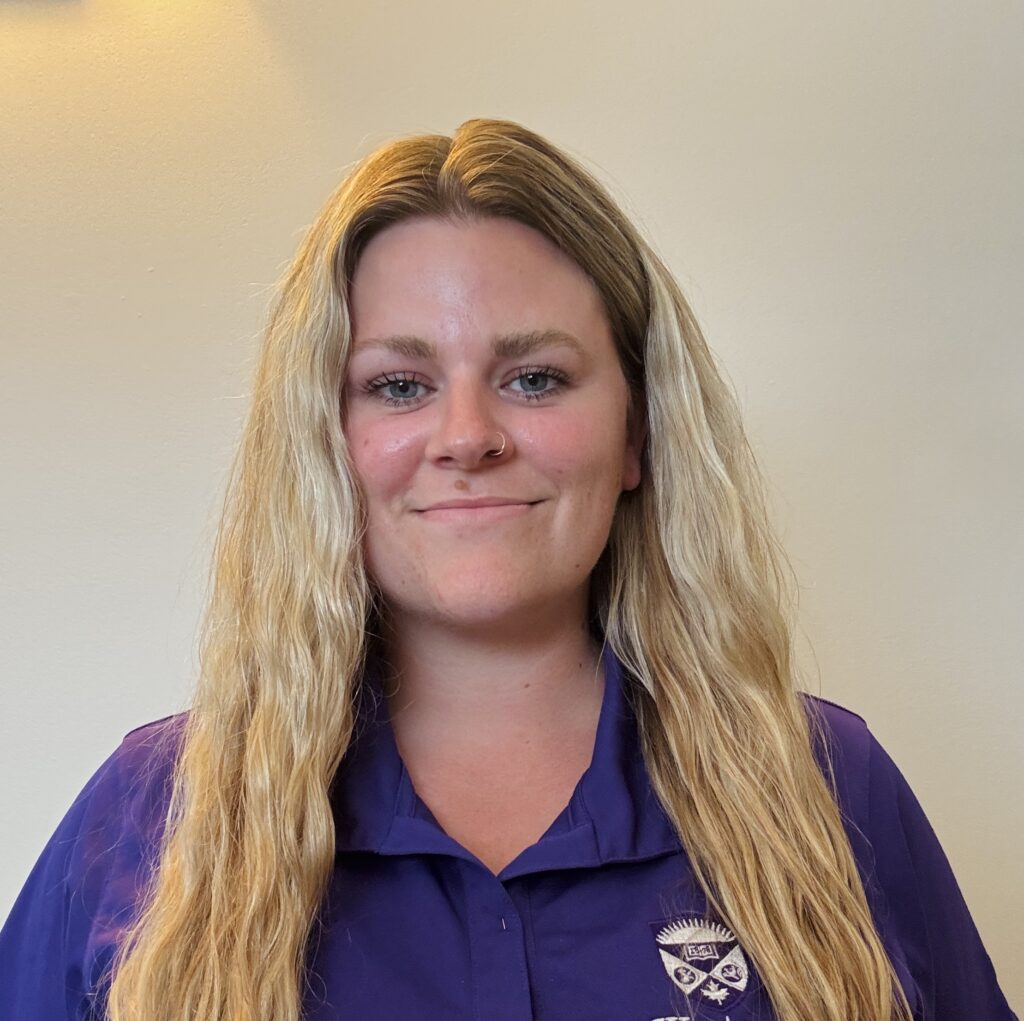
Lauren Robb, Physiotherapist in the Canadian Armed Forces
Lauren Robb
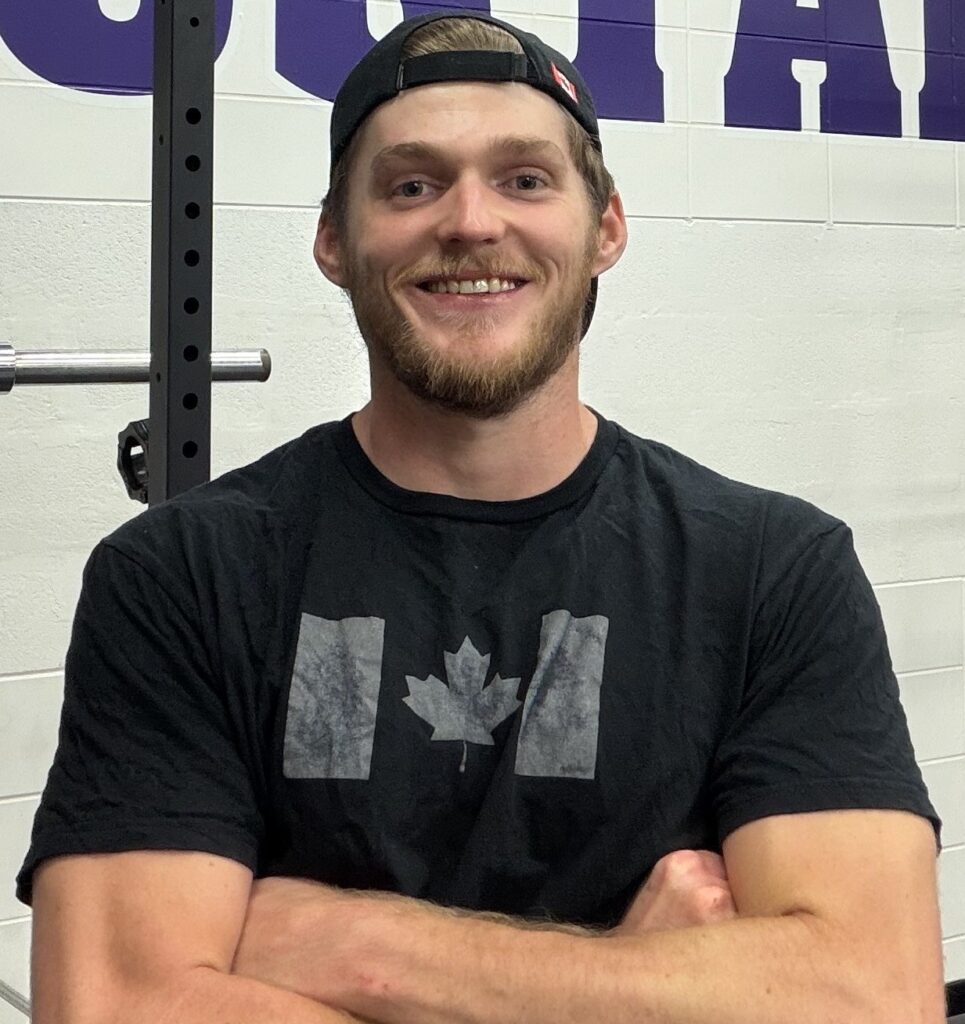
Kyle - Physiotherapist in the Canadian Armed Forces
Kyle Spenard

For Lauren Robb and Kyle Spenard, two recent physiotherapy graduates enrolled with the Canadian Armed Forces (CAF) Subsidized Education – Entry Level Master’s Program,3 becoming a Physiotherapy Officer offered far more than a traditional first job after graduation. It provided an opportunity to apply their physiotherapy education and clinical skills in a unique environment, work with highly specialized patient populations, and develop skills that extend beyond clinical practice.

The decision to join the CAF was more than a strategy to pay for graduate school. Their stories highlight how physiotherapists are finding innovative ways to build meaningful careers while helping meet the health and performance needs of the CAF. 

A Unique Clinical Population and Expanded Career Opportunities 

Physiotherapy Officers work with a diverse military population, including soldiers, pilots, divers, naval personnel, and other service members whose occupations place unique physical demands on their bodies.4,5 Supporting members of the CAF requires a physiotherapist to understand not only injury recovery, but also the operational requirements of military service. For Lauren, one of the most appealing aspects of military physiotherapy was the opportunity to practice in an environment that is unlike most civilian settings. 

“You might be treating a diver or someone in the Air Force or someone in the Navy, and they would all have very particular operational requirements.” – Kyle Spenard 

Both Lauren and Kyle were previously interested in treating athletic and high-performance populations which is now applicable to military personnel. Rather than focusing solely on traditional return-to-work goals, Physiotherapy Officers help military members safely return to highly specialized occupational roles. 

Lack of Funding Constraints Enables More Comprehensive Care 

Another meaningful difference between military and civilian physiotherapy is the ability to provide care without the same funding constraints that often shape treatment decisions in civilian practice. In the CAF, physiotherapy services are fully covered, allowing Physiotherapy Officers to base treatment frequency, duration, and follow-up on clinical need rather than on out-of-pocket costs, private insurance limits, or extended health benefits caps.

For many civilian populations, these extended health benefits limitations can affect how often patients attend physiotherapy and how long they are able to continue rehabilitation. Within the CAF, this creates greater opportunity to provide comprehensive, timely, and individualized care, supported by advanced equipment, longer appointments, and more consistent follow-up when clinically indicated. 

Confidence During the Transition to Independent Practice 

Graduating from physiotherapy school often brings uncertainty, as Kyle reflected. Licensing examinations, job searches, contract negotiations, and decisions about future career direction can create significant pressure for new graduates. For Lauren and Kyle, entering a clearly defined professional pathway with the CAF allowed them to focus on becoming excellent clinicians, while their peers were managing this transition to independent practice and securing a job.  

“That was not something I even needed to consider,” Lauren said when reflecting on the employment search process that many of her classmates were navigating. Kyle expressed a similar sentiment: “I could just focus on finishing, focus on studying for my CPTE exam.”   

A Structured Transition into Practice 

As entry to physiotherapy licensing continues to evolve in Canada4, new graduates are increasingly seeking opportunities for mentorship and supported professional development as they enter independent practice. The CAF pathway offers a structured transition-to-practice experience that is becoming increasingly uncommon in many healthcare settings.3,5 After graduating from their physiotherapy programs and completing basic military training, Lauren and Kyle will spend approximately a year working alongside experienced Physiotherapy Officers while participating in military-specific education and professional development. Lauren describes this experience as: “An amazing mentorship opportunity.” 

For physiotherapists who are passionate about lifelong learning, the CAF pathway provides opportunities to pursue advanced clinical education while working within a highly collaborative healthcare team.3,5 Kyle explained that military-funded courses include Advanced Integrated Musculoskeletal (AIMS) training, McKenzie Method Training, and dry needling and acupuncture. 

Building a Career Beyond Traditional Practice Settings 

One of the strongest themes that emerged from conversations with Lauren and Kyle was the importance of thinking broadly about what a physiotherapy career can look like. Many physiotherapy students are familiar with careers in private practice, hospitals, rehabilitation facilities, or community care. The CAF offers an alternative pathway that combines clinical care, leadership, education, and service.3,5 

Physiotherapy Officers may find themselves working across Canada, collaborating with diverse healthcare professionals, supporting military training programs, and contributing to initiatives focused on injury prevention, workforce readiness, and human performance.3,5 For clinicians interested in expanding their impact beyond individual patient encounters, these experiences can provide valuable perspectives on healthcare delivery and interdisciplinary collaboration. 

In many ways, the military pathway provides a structured transition-to-practice experience that many new graduates actively seek but may struggle to find in civilian settings. 

An Under-Recognized Opportunity for the Profession 

Perhaps the most surprising insight from both Lauren and Kyle was how few physiotherapy students appear to be aware of this pathway. They expressed surprise that more students had not explored CAF Physiotherapy Officer pathways given the combination of funded education, structured mentorship, specialized clinical experiences, career stability, and leadership opportunities. For students considering physiotherapy, Lauren encourages a long-term perspective. 

“The main thing is just considering your long-term goals, where you see yourself, where you want to be.” – Lauren Robb 

Kyle and Lauren’s experience with the CAF highlight an important message for the profession: there is no single pathway to becoming a successful physiotherapist. Whether working in private practice, research, healthcare leadership, advanced clinical roles or military service, physiotherapists continue to find creative and meaningful ways to apply their skills. For those interested in serving a unique patient population, a career as a CAF Physiotherapy Officer offers an innovative pathway that deserves greater visibility within the profession. 

Are You Our Next Member Spotlight? 

Do you want to be featured? Are you in an innovative role? Spoken about physiotherapy in a podcast or the news? Published an article? Or represented the physiotherapy profession through advocacy? 

We want to celebrate you as a PT, or PTA student or PTA! 

References 

1  Prime Minister Carney announces Canada has achieved the NATO 2% defence spending target | Prime Minister of Canada  

2 Canada’s new government is rebuilding, rearming, and reinvesting in the Canadian Armed Forces | Prime Minister of Canada  

3 Physiotherapy Officer | Canadian Armed Forces  

4 Join the Future of Physiotherapy in Canada — Become an Examiner for the Pilot of CAPR’s New Canadian Physiotherapy Examination (CPTE) – Canadian Alliance of Physiotherapy Regulators

5 Life in the Forces | Canadian Armed Forces

Details

Date

September 25, 2026