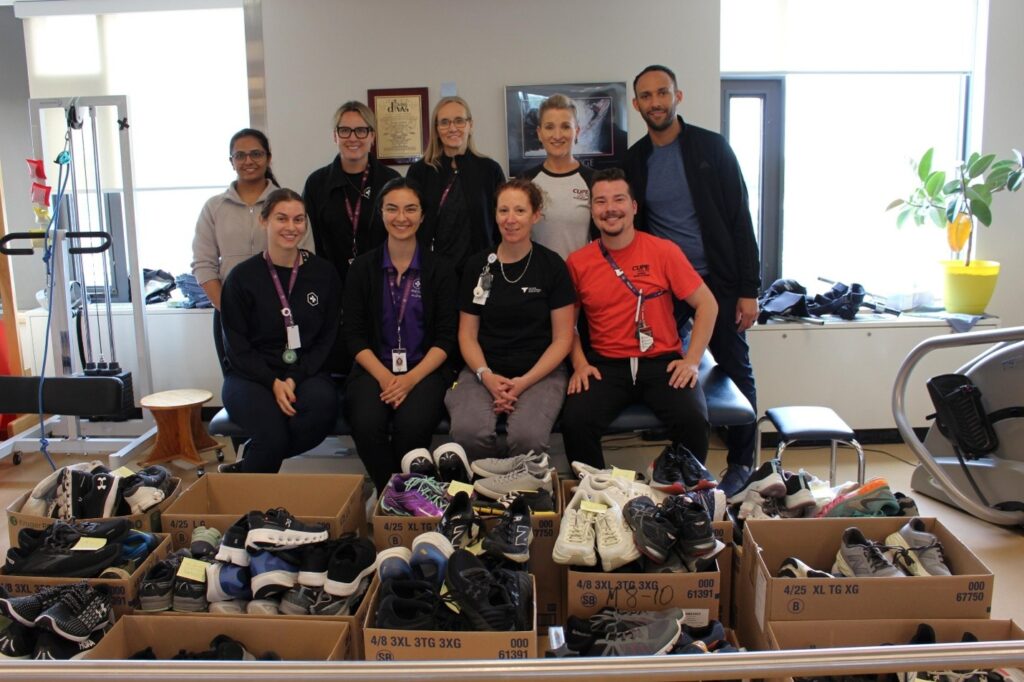
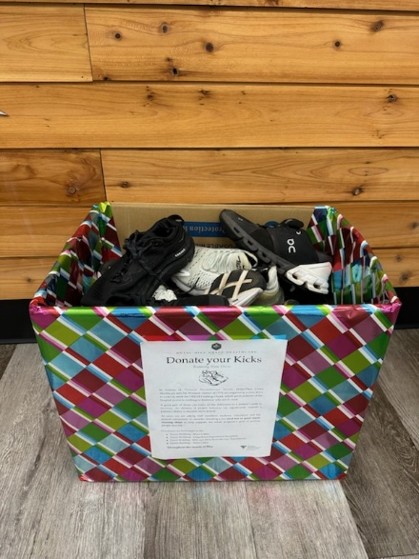
The OPA Windsor District extends a huge thank you to everyone across Windsor-Essex who participated in the 2026 Donate Your Kicks Campaign! Held throughout the month of May in celebration of National Physiotherapy Month, the shoe drive was organized by Hotel-Dieu Grace Healthcare (HDGH) and the Windsor District of OPA to help stock the HDGH Clothing Closet, giving patients access to footwear and clothing they may need.
The campaign’s goal is simple but meaningful: a good pair of shoes can make all the difference in a patient’s recovery. Without proper footwear, mobility and rehabilitation can be significantly harder to achieve. Thanks to the generosity of staff, students, volunteers, and the wider community, patients throughout the rehab hospital now have greater access to the shoes they need to get moving again.
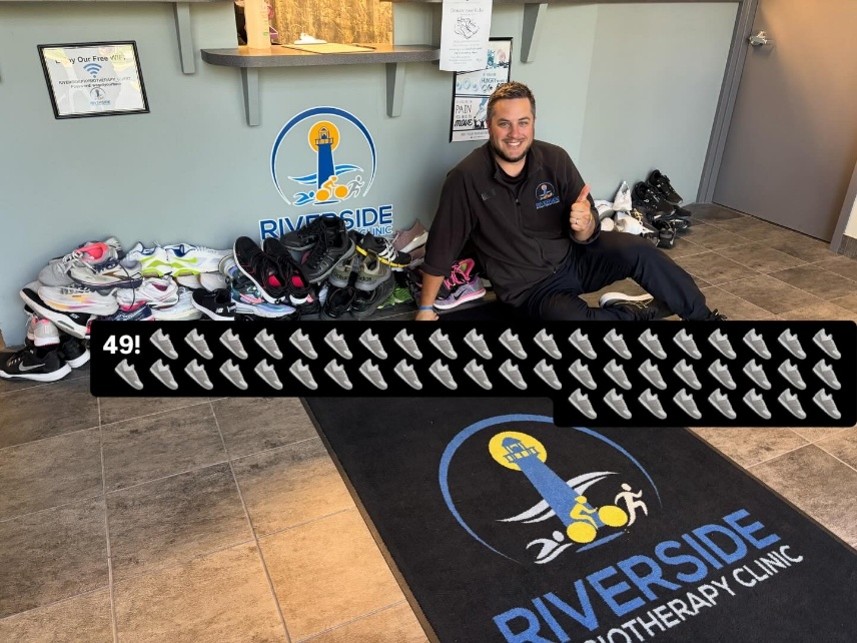
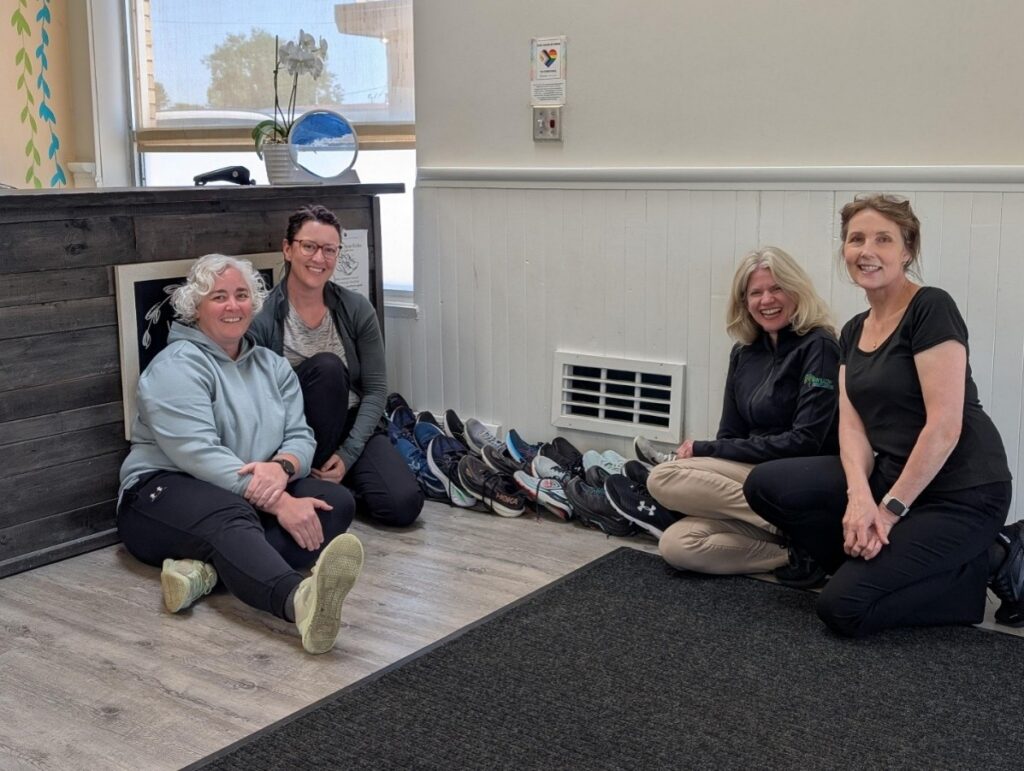
This year’s campaign wouldn’t have been possible without the support of several community partners who set up their own collection boxes, including:
The Running Factory (Manager Kristy Ireland)
Riverside Physiotherapy (Troy Sajatovich, PT, and staff)
Loaring Physiotherapy (Wesley Bellemore, PT, and staff)
Leap Physiotherapy (Alex Graham, PT, and staff)
Willow Health Centre, Chatham (Tegan Vermey, PT, and staff)
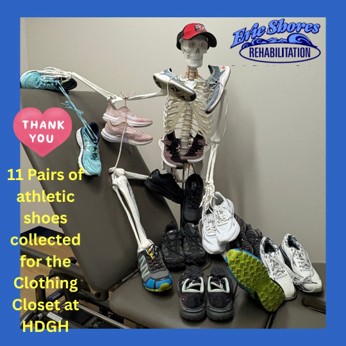
Erie Shores and Rehabilitation, Kingsville (Roberta Weston, PT, and staff)
Tecumseh Physiotherapy (Danese Tezer and Sarah Primeau, PTs, and staff)
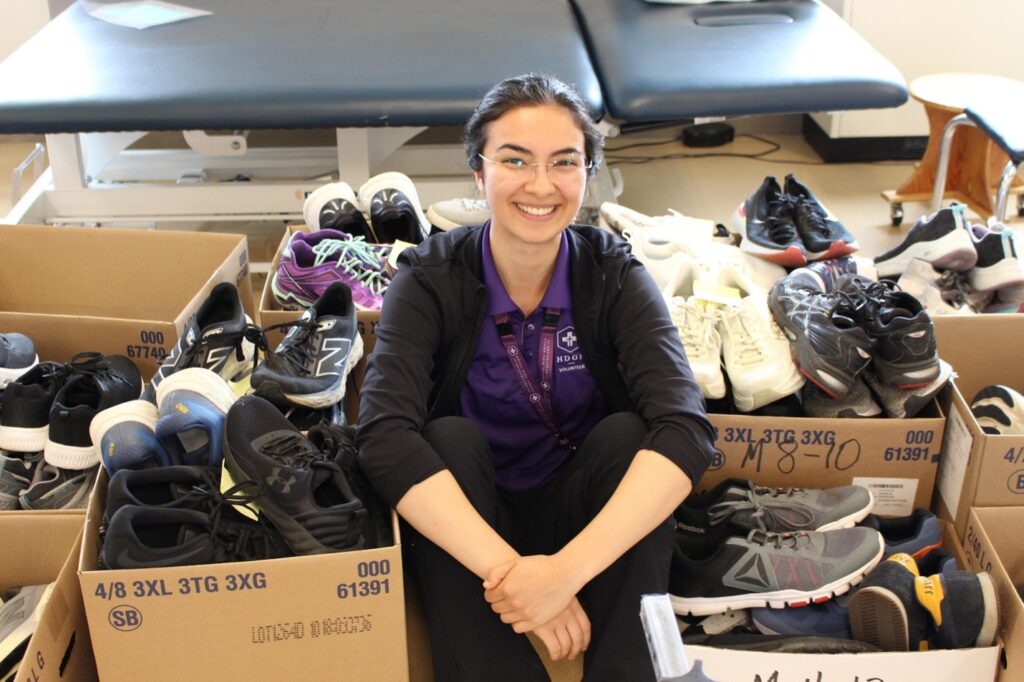
A special thank you was also extended to HDGH Rehab 4 volunteer Simona Brezeanu, who generously gave up her own time to clean, sort, and organize more than 200 pairs of donated shoes! Her dedication and hard work behind the scenes made a huge difference in getting these donations ready for patients in need.
HDGH Rehab 4 volunteer Simona Brezeanu
The OPA Windsor District thanks everyone who donated, collected, and volunteered to make this year’s campaign such a success, and looks forward to bringing the Donate Your Kicks Campaign back again next year!
Watch Charlotte Anderson, OPA’s President, share highlights after the first meeting of the 2026–2027 Board of Directors.
She speaks to OPA’s ongoing CPC advocacy, the What’s Next campaign featuring PTs and patients from across the province and work the Association is doing regarding recent scope of practice changes. You can reach Charlotte at president@opa.on.ca.
Introducing OPA’s 2026-2027 Board of Directors
Charlotte is joined on the 2026-2027 Board by Courtney Bean, David Egbert, Anthony Grande, Jennifer Howey, Carrie Lau, Wing Ting Truong, Terry Wang and Kyle Whaley. The Board met on Saturday, June 6, to continue the work of the Association on behalf of Ontario’s physiotherapy community.
This June, OPA launched an ambitious province-wide campaign. It is designed to channel a defining moment in Ontario physiotherapy into a long-term conversation about the future of the profession, patient care, and healthcare in Ontario.
The goal is to reach physiotherapists across every region, practice area, and career stage in Ontario, grow awareness of what the profession can and should be, and establish OPA as the place where that conversation happens.
The campaign isn’t about OPA speaking to physiotherapists. It’s about physiotherapists speaking to physiotherapists.
Why This Campaign Matters
Ontario’s healthcare system is under mounting pressure: demand for care is growing, the population is aging, and delivery models are evolving faster than ever. Physiotherapists are already at the front lines of that shift, reducing unnecessary ER visits, supporting earlier interventions, and improving access to care across the province. With expanded scope now underway, the question is no longer whether physiotherapists can do more. It’s what comes next, and how the profession will help shape it.
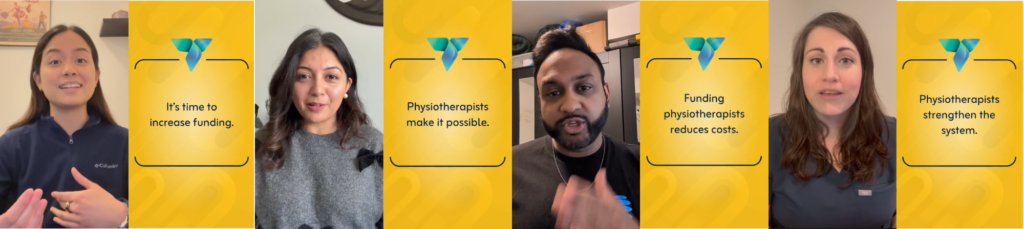
The campaign’s approach is as deliberate as its message. What’s Next was built around short videos featuring real physiotherapists and patients speaking in their own voices, grounded in lived clinical experience. They share views on where Ontario’s healthcare is headed. Audiences trust people more than corporate messages, and social platforms reward that authenticity. OPA leaned into that reality fully.
What This Means for the Profession – and For You
This campaign speaks to every practice area of the profession. Whether you work in private practice, a hospital, or a community health setting, it validates the work you do every day. It makes the case, publicly, for the expanded role physiotherapists are already fulfilling. It connects individual challenges around access and funding to a system-wide argument: physiotherapy isn’t a complement to Ontario’s healthcare system. It’s a cornerstone of its future.
The What’s Next campaign is a direct expression of what OPA does: advocate for the profession and ensure physiotherapists have a seat at the table when decisions about Ontario’s healthcare are made. That work happens because members across the province choose to invest in it collectively, and this campaign gives every one of them something to rally behind.
Join the Conversation
The campaign is now live. Watch the videos, explore the patient stories, and join OPA if you’re not already a member, so you can be part of shaping what comes next.
An OPA membership supports advocacy, connects you with peers across the province, and gives you industry-leading insurance coverage, all while ensuring your profession speaks with one powerful voice.
The future of physiotherapy in Ontario is already taking shape. Be a part of it.
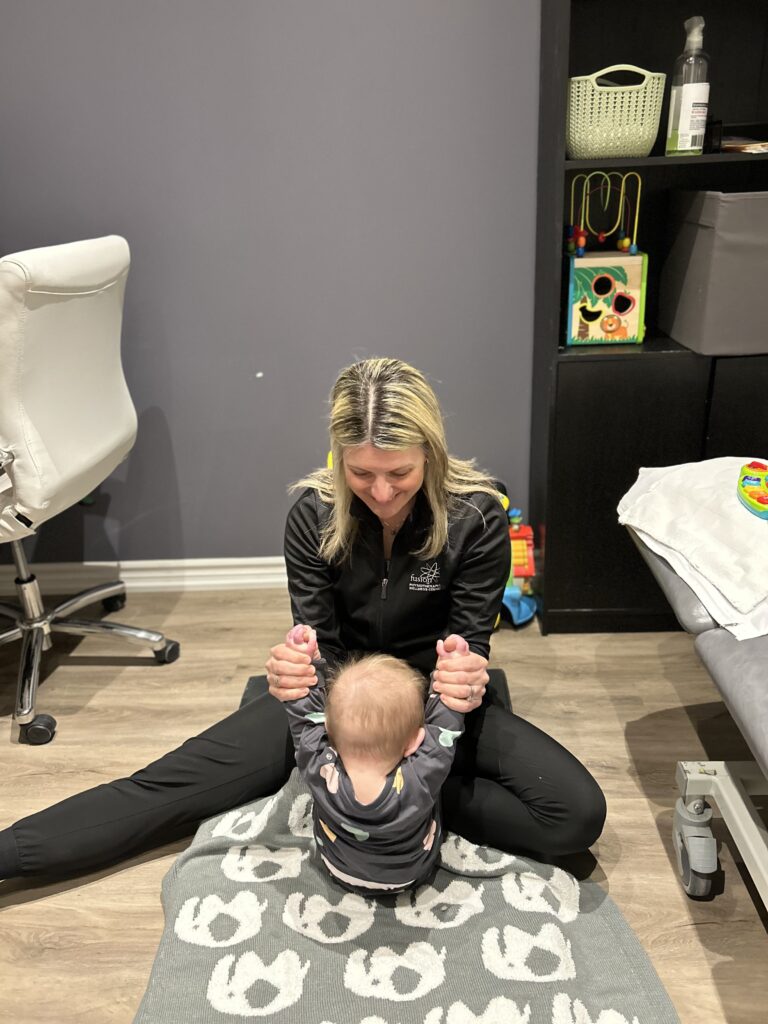
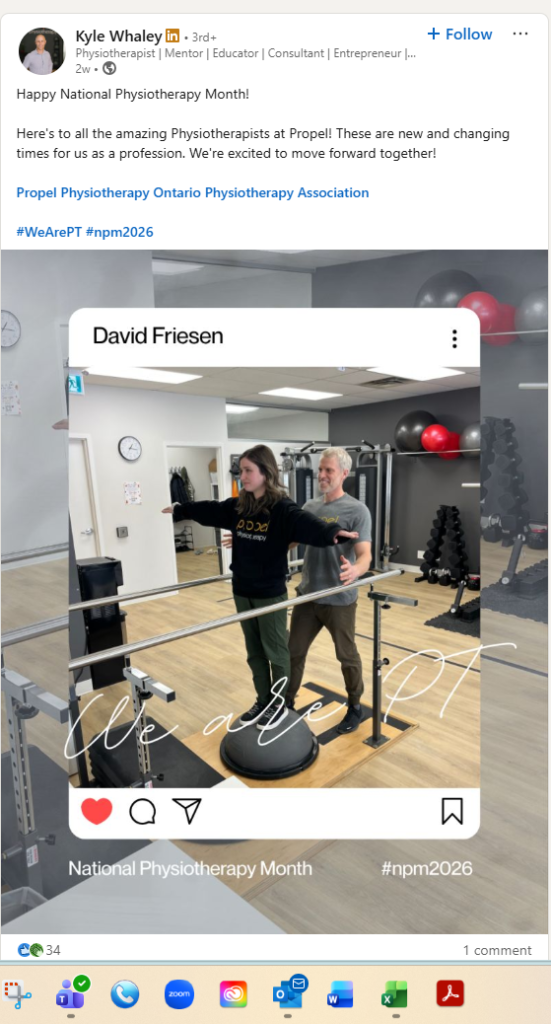
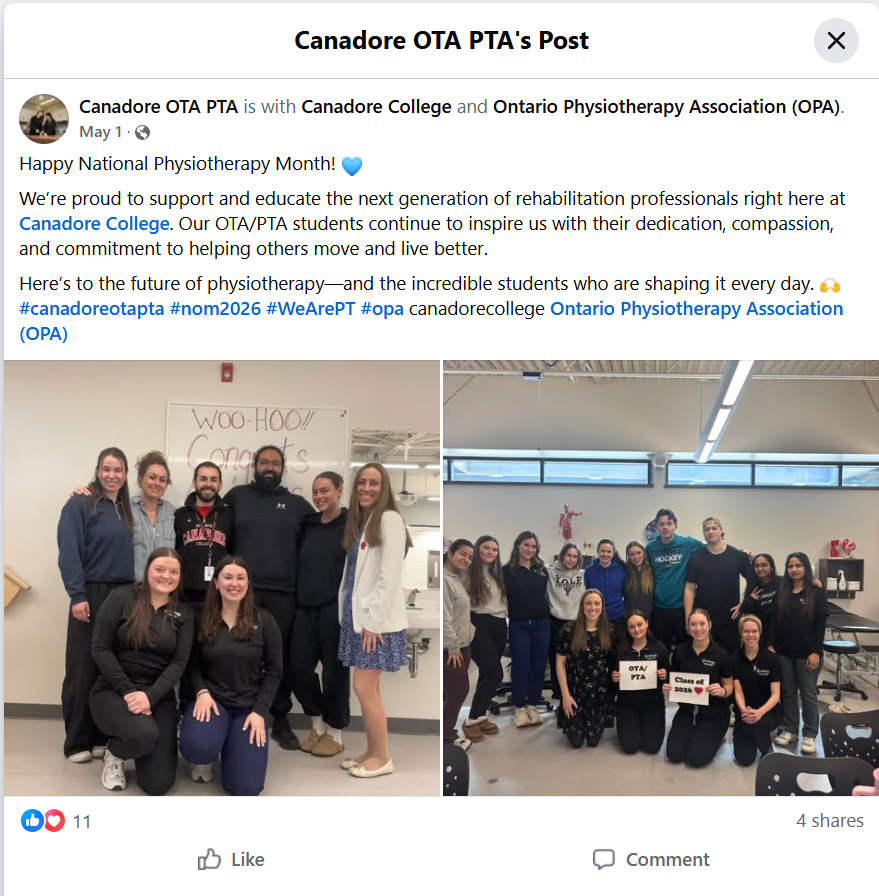
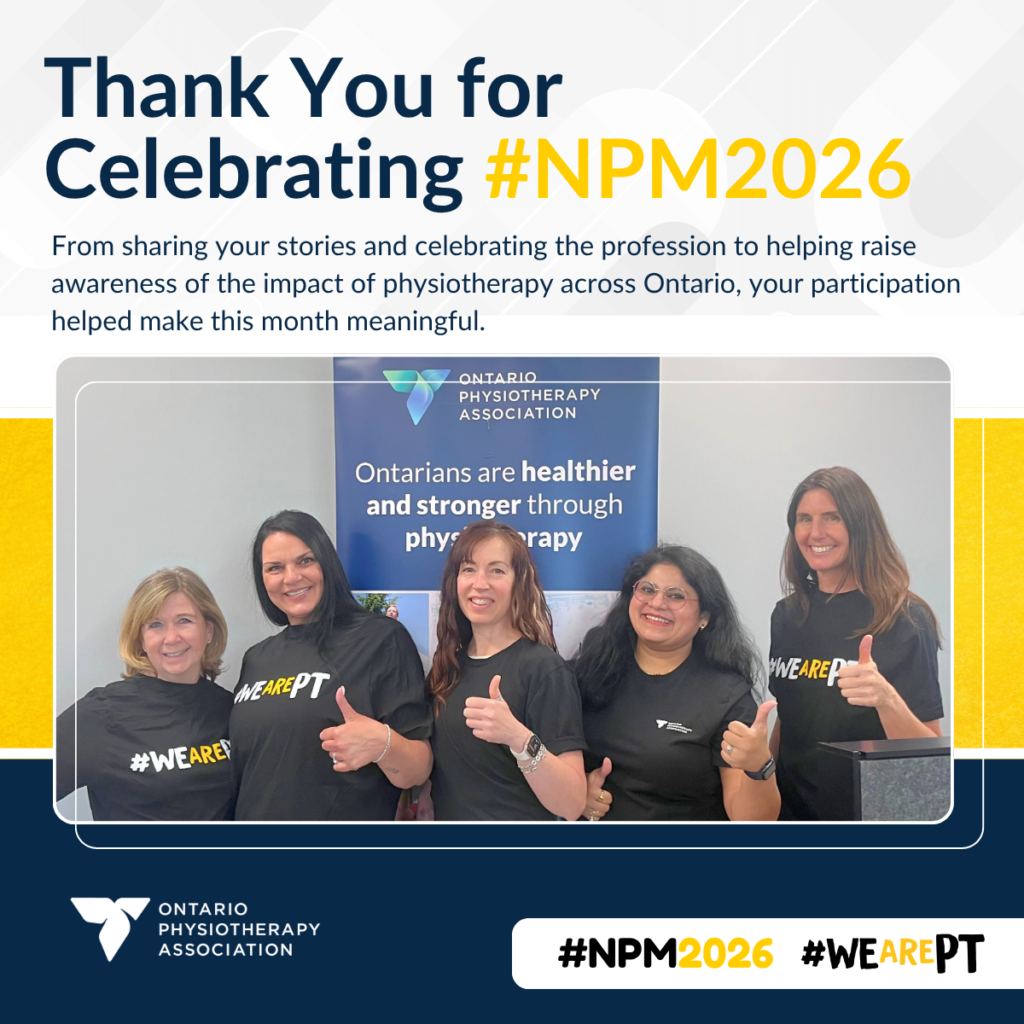
Every year, the Ontario Physiotherapy Association highlights the experiences of its members and the impact they make with their clients and in their communities.
National Physiotherapy Month takes place in May and members in 2026 could participate in two ways:
Tagging OPA with both #npm2026 and #wearept so that we could share their post.
Submitting their pictures for OPA to publish on our communications platforms.
We were pleased to see how the physiotherapy community got involved!
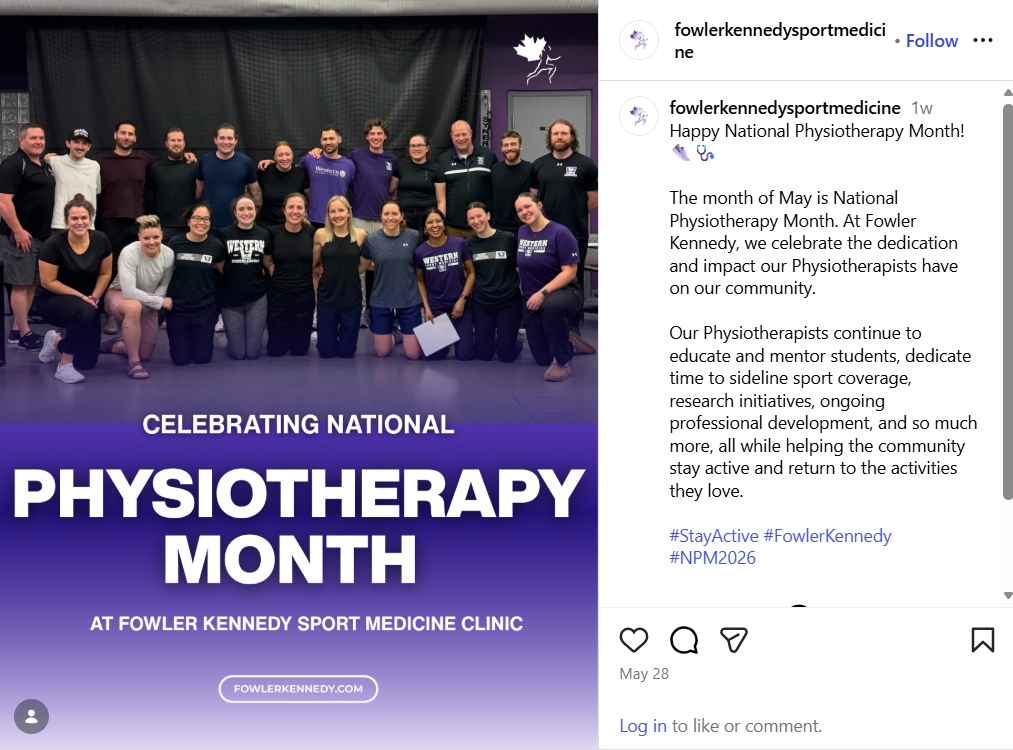
Check out a few of those who tagged us or submitted directly:
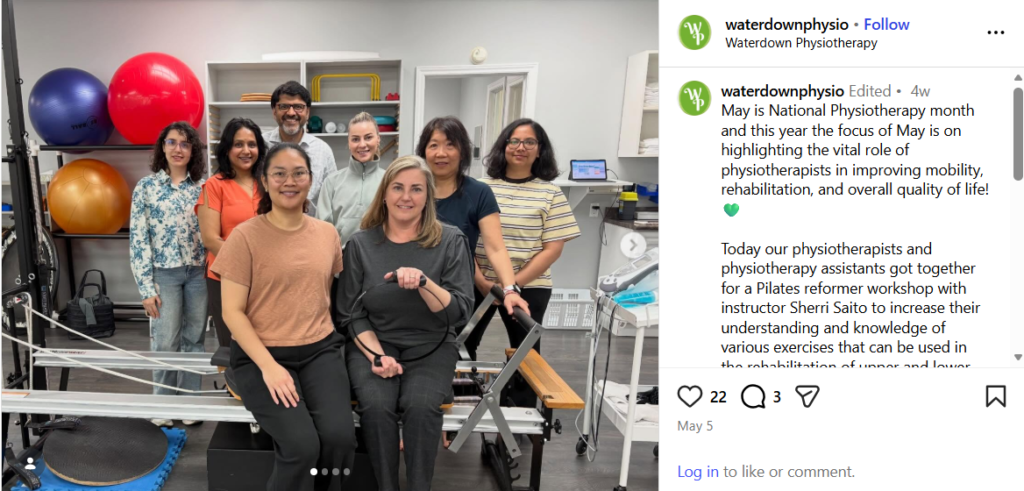
Natasha Weber, Physiotherapist
Thank You from OPA Staff!
OPA Contest
Every OPA member who tagged OPA or submitted their picture and information was automatically entered into the $100 gift card draw.
Congratulations to Fowler Kennedy Sports Medicine Clinic who won the draw!
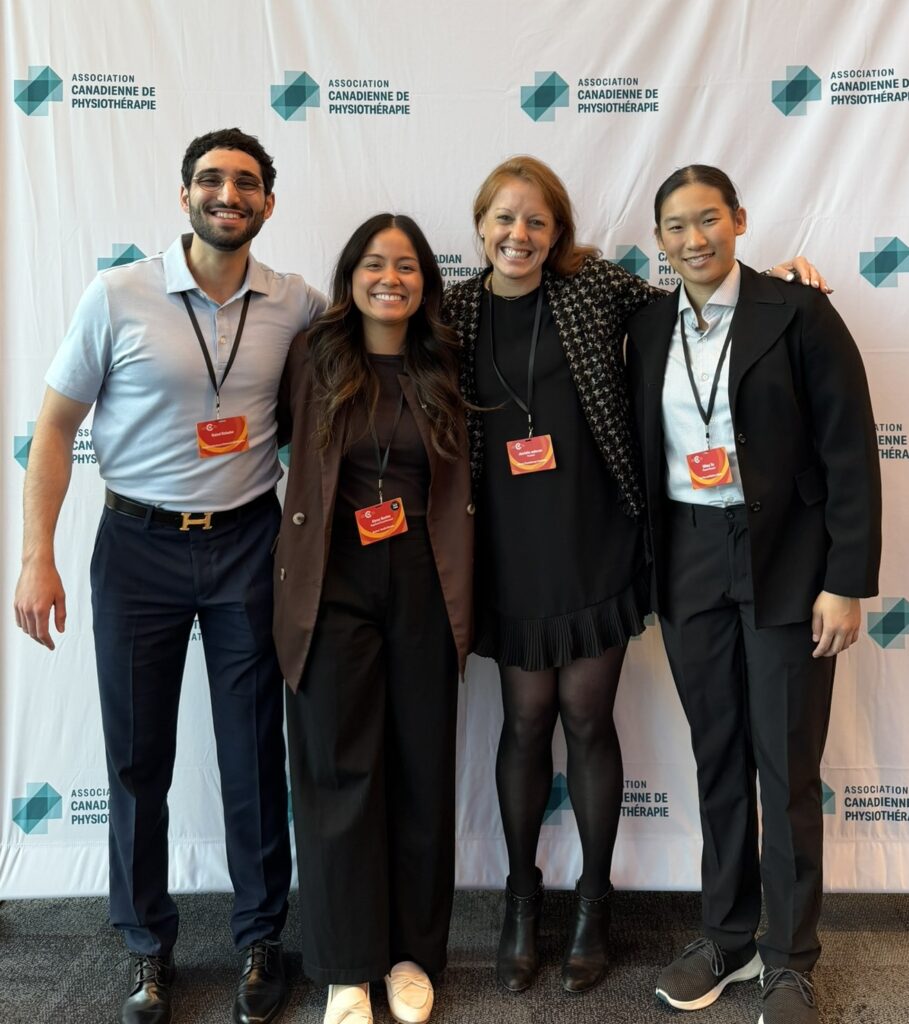
We were excited to have several engaged OPA members and staff attend the Canadian Physiotherapy Association’s Congress from May 29-30, 2026, in Halifax.
Charlotte Anderson, OPA’s President connected with the physiotherapy community across the province, including with Ontario District Presidents.
District Presidents at Congress
OPA was pleased to see several Ontario District Presidents share their knowledge at Congress. OPA’s Central Toronto District Co-President Tiffany Tiu presented on pain science. Tina Ziebart, District President of London District and Alyssa Benitez, York Region and Scarborough District President discussed older adult care.
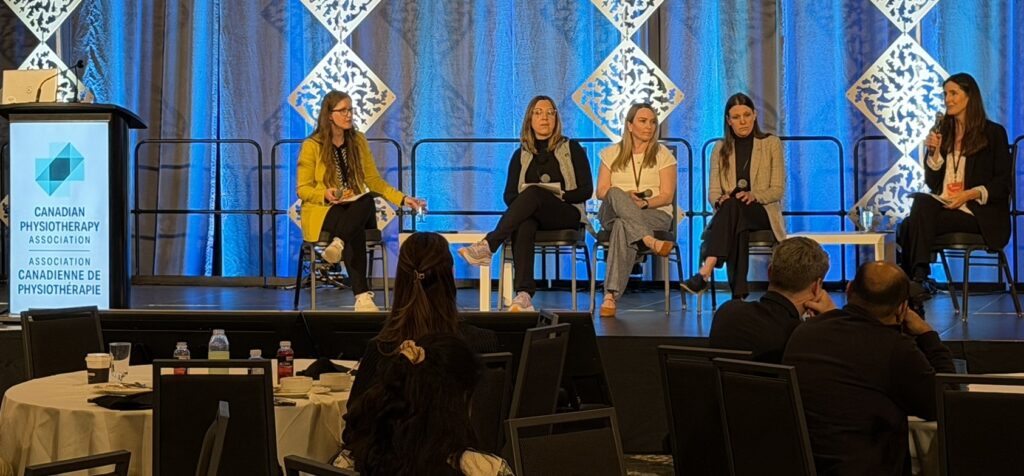
OPA’s Emily Stevenson Co-Moderating Session
We were proud to witness Emily Stevenson, OPA’s Director, Practice and Policy co-moderate a session on primary care. OPA has been consistently advocating that with an increase in primary care funding, physiotherapists must be included as core members of interdisciplinary primary care teams. Increasing the number of primary care physiotherapists in Ontario is an essential step towards improving health system capacity and bringing comprehensive and convenient care to more people in Ontario.
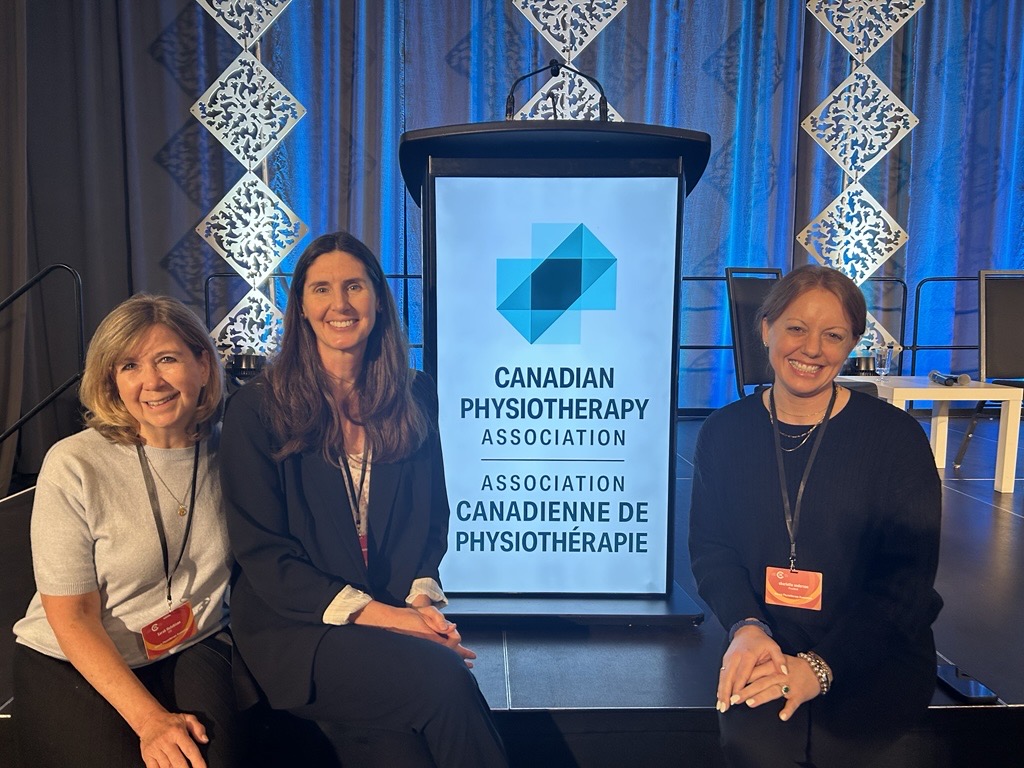
Sarah Hutchison Strengthening Relationships
Sarah Hutchison, OPA CEO, along with Jennifer Howey, OPA Board Director, attended and networked with the physiotherapy community across the province, strengthening relationships and bringing back practical ideas to better support OPA members.
OPA members and staff were inspired and invigorated by CPA’s Congress and look forward to welcoming CPA members from across the country to OPA’s InterACTION conference in 2027!
On May 11, 2026, the Ontario Ministry of Health announced future scope of practice expansions for several regulated health professionals, including physiotherapists. The Ministry has directed the College of Physiotherapists of Ontario to begin developing the regulatory framework to support qualified physiotherapists in ordering certain X-rays and diagnostic ultrasound.
As indicated in the Government of Ontario news release “… the government has now officially directed Ontario’s regulatory colleges for optometrists, physiotherapists, chiropractors, dental hygienists, denturists, and audiologists and speech-language pathologists to begin developing the regulatory framework that would further expand scopes of practice in their fields.”
It’s important to note that no changes to physiotherapists’ scope of practice have been implemented yet regarding x-rays and diagnostic imaging. The College of Physiotherapists of Ontario is beginning the work to develop the regulatory framework. OPA will continue to collaborate with the Ministry of Health and the College as the process moves forward.
Progress
We are hopeful, however, that this announcement demonstrates that the Ministry of Health is moving in the right direction to implement the remaining scope of practice changes for physiotherapists.
Background
OPA has tirelessly advocated for nearly two decades to advance scope of practice changes that enable physiotherapists to deliver more comprehensive care.
In 2008, the Ontario Physiotherapy Association and the College of Physiotherapists of Ontario collaborated on a joint submission requested by the Health Professions Regulatory Advisory Council (HPRAC) to review the scope of practice of physiotherapists.
Successes to Date
This joint submission proposed scope of practice amendments, which were all accepted and recommended for implementation by HPRAC, except for one – the authority to refer to specialists.
In 2012, physiotherapist’s scope expanded to include:
Communicating a diagnosis (controlled activity that is within scope at the entry to practice level)
Treating a wound below the dermis
Internal pelvic exams (including putting an instrument, hand or finger beyond the labia majora or beyond the anal verge)
Administering a substance by inhalation (when the substance has been ordered by an authorized person)
Why We Continue to Advocate
Awaiting implementation and not able to put into practice:
Ordering a prescribed form of energy (e.g., diagnostic ultrasound or MRI)
Ordering diagnostics (e.g., X-rays or CT scans)
Ordering laboratory tests
OPA’s Continued Advocacy
Current advocacy on PT scope of practice focuses on implementing outstanding changes for activities that still need regulation changes, including ordering diagnostic imaging. Implementation will positively affect access to care, improve health system efficiency, and reduce workloads for all providers. It will lead to people in Ontario getting the right care at the right time, and better sustainability in career paths for physiotherapists.
We encourage you to watch for further updates from both OPA and the College. Be sure to check OPA’s news where you can filter to access all scope of practice updates. Check out our dedicated Scope of Practice page for the latest information as this process unfolds.
The Ontario Physiotherapy Association is led by its members through the Board of Directors. Nine physiotherapist members make up the OPA Board, all of whom carry fiduciary responsibilities. Board members dedicate significant time and energy to guide the Association toward its mission.
The Annual Members Meeting (AMM) is a time to gather voting delegates from across OPA’s 16 districts to hear about and vote on the business of the Association.
Annual Members Meeting Success!
OPA’s 2026 Annual Members Meeting took place virtually on Thursday, April 30. OPA welcomed 62 voting delegates, our appointed Parliamentarian and Scrutineer, Jason Robinson, OPA’s current Board of Directors, candidates for the 2026-2027 Board, guests, and staff.
The meeting was a great success with Courtney Bean, OPA’s President (at the time of the meeting) acting as Chair. Alison Stene, CPA’s President, shared news and updates from the Canadian Physiotherapy Association. Magda McCaughan presented OPA’s achievements for the last year in her Secretary’s report. Sarah Hutchison, OPA’s CEO, presented OPA’s audited financial statements.
Voting delegates approved the 2025 audited financial statements and approved Cooper and Company as the auditors for the 2026 fiscal year.
Election of 2026-2027 OPA Board of Directors
There were six candidates for four director positions, therefore OPA held an online election managed by our Parliamentarian. Each candidate spoke for three minutes, and candidate resumes, videos and letters of intent were pre-circulated. 62 voting delegates cast 62 votes and four directors were elected.
We welcome Charlotte Anderson as OPA’s President with Courtney Bean now acting as Past-President. David Egbert, Jennifer Howey, and Terry Wang are completing the second year of their first terms on the Board.
Anthony Grande and Carrie Lau were elected to join the 2026-2027 Board of Directors. We welcome back Wing Ting Truong and Kyle Whaley for their second two-year term.
OPA would like to sincerely thank Magda McCaughan for her four years of insightful contributions on the Board as a Director and Secretary. Magda has been a dedicated volunteer for many years, having previously served as Hamilton’s District President.
We would also like to thank Manuel Valle, who has made invaluable contributions on the OPA Board of Directors for the past two years. Manuel has been a significant advocate for internationally educated physiotherapists, and we will miss his voice on the Board.
OPA also sincerely appreciates members who make the decision to run for the Board of Directors. Venkadesan Rajendran has been an incredible and passionate volunteer for years having served as the District President and in other executive roles with the Northern Ontario District.
OPA hopes to continue our valuable volunteer relationships with Magda, Manuel and Venkadesan! Thank you to the 62 voting delegates who took time out of their busy schedules to participate in OPA’s Annual Members Meeting. We also appreciate our volunteers Jim Foley and Annette Marcuzzi for their contributions.
This National Volunteer Week, the Ontario Physiotherapy Association wants to take a moment to say thank you.
To every OPA volunteer who has given their time, expertise, and energy to the Association, your contributions matter deeply. You are the reason OPA is able to advocate, evolve, and remain relevant to the members and profession it serves.
What Volunteers Make Possible
OPA volunteers show up in so many ways. Whether you’re guiding the Association’s strategic direction as a member of the Board of Directors, bringing local voices to the provincial stage at the District level, engaging with government and stakeholders on behalf of the profession, or advising staff and leadership on sector-specific issues through a committee, the work you do is invaluable.
You bring more than your professional knowledge to these roles. You bring your perspective, your passion, and your commitment to a profession that improves the lives of patients across Ontario every day. It’s the shared dedication between volunteers, staff, and leadership, that makes OPA’s success possible.
Member volunteers are essential to the work and vision of OPA. They provide their experience, expertise and passion to support and strengthen the Association and the profession.
Members Advancing Physiotherapy Through Community Engagement
OPA volunteers are the living expression of what it means to be part of a member-led association. By dedicating your time to this work, you are not just supporting OPA, you are shaping the future of physiotherapy in Ontario. Your involvement ensures that the profession’s voice is heard, that decisions reflect the realities of practice across every sector and corner of the province, and that the next generation of physiotherapists inherits a stronger profession than the one before.
The impact of your service extends well beyond board tables and committee calls. It is felt in advocacy wins, in the resources available to members, in the professional development opportunities offered, and in the trust that patients and policymakers place in physiotherapy across Ontario.
OPA Volunteers Gain Immeasurably
Volunteering with OPA impacts the lives of the volunteers. They often tell us they have:
Built meaningful connections with colleagues and partners from across the province
Grown as leaders, communicators, and strategic thinkers
Gained insight into the broader health system and the profession’s place within it
Found a deeper sense of purpose and connection to the work of physiotherapy
Inspired to Get Involved?
If you’re an OPA member who has been thinking about getting involved, there is a place for you. Apply to join the Board of Directors, join one of our eight committees or participate locally with our Districts. Learn more about volunteering or reach out to us at physiomail@opa.on.ca with any questions.
OPA is excited to celebrate the Ontario winners of the CPA Awards!
Helen Johnson – Life Membership Award
This award is presented to current or former CPA members who have contributed to the growth of the profession through at least 25 years of service at local and/or national levels.
Helen Johnson has been an active volunteer with the Ontario Physiotherapy Association for many years. She was the District President for the Windsor District, was a volunteer, and has presented multiple times at our conference, InterACTION. She also volunteered on our committees and Board of Directors, and contributed her voice to OPA’s advocacy.
Helen is also the 2006 recipient of the Professional Contribution – External, OPA Award.
Parag Shah – Clinical Education Award
Congratulations to Parag Shah, an Ontario member, for winning the Clinical Education Award. This award is presented to a member who has made outstanding contributions to the clinical education of physiotherapy students.
Alyssa Benitez – H. S. Rahikka Student Leadership Award
Alyssa Benitez is the Co-President of the Central Toronto District of OPA. We are excited to see her recognized nationally for her leadership skills! Congratulations Alyssa!
Iris Wang – H. S. Rahikka Student Leadership Award
The Helen Saarinen Rahikka Student Leadership Award is presented to a student member who has demonstrated leadership and made outstanding contributions to the promotion of the profession. Iris has participated in Ontario activities including joining us at InterACTION 2024 and acting as a voting delegate for OPA’s Annual General Meeting in 2025. Congratulations Iris!
The Government of Ontario invites workers, organizations, businesses and communities to share what matters most to inform the 2026 Ontario budget.
OPA submitted a response to the annual budget consultation. Our response illustrates how physiotherapists can contribute to building a ‘more competitive, resilient and self-reliant province”, part of the government’s plan to protect Ontario.
Our 2026-2027 pre-budget submission focusses on attainable, impactful investments that will support the government in achieving the goal to increase capacity in Ontario’s health care system. The priorities are:
Provide required resourcing of physiotherapy positions in primary care, home and community care, and long-term care to bring compensation in line with the hospital sector.
Strengthen the Community Physiotherapy Clinic program as a strategy to support primary care access and to support seniors living in the community.
Address the health human resource crisis and improve access to care by enabling physiotherapists in Ontario to practice to full scope of practice.
Part of Our Continued Advocacy
The priorities outlined are informed by conversations, meetings, and surveys across various sectors throughout the year. OPA consults with members and health care leaders, including our advisory committees, Board of Directors and Districts. These conversations and information have been critical to identify the priorities of OPA’s 2026 Pre-Budget Submission.
More About What OPA Wants on Behalf of PTs and Patients
PHYSIOTHERAPY COMPENSATION EQUALIZATION ACROSS PUBLIC SECTOR
Physiotherapists have an essential role in delivering care in the community whether as part of a primary care team, at a patient’s place of residence, or in a long-term care facility. Access to care in each of these settings is critical to keeping Ontarians healthy, mobile and contributing to their communities and the economy. The challenge is that recruitment and retention in these positions is near impossible when the compensation is well below that of hospitals. To offset more costly institutional care, sufficient funding in the primary care, home care, and long-term care is essential to support health human resource needs long term.
STRENGTHENING THE COMMUNITY PHYSIOTHERAPY (CPC) PROGRAM
The Community Physiotherapy Program (CPC) is a well-established program which has been providing access to essential physiotherapy care for over 10 years. This program partners with over 200 community clinics and outpatient hospital facilities to deliver physiotherapy services. Unfortunately, continuation of the CPC program is becoming increasingly precarious, as the funding model has not kept pace with increasing operating costs. Episode of Care (EOC) funding has increased by only 7% since inception of the program; from $312 in 2013 to $334.38 in 2025. Without access to this care, individuals are put at risk for chronic pain, limited function, and delayed return to work. This is not a risk we can afford. The bottom line is that insufficient government funding of the CPC program is creating a significant exposure of risk to Ontarians.
ENABLING PHYSIOTHERAPISTS’ SCOPE OF PRACTICE IMPLEMENTATION
For physiotherapists, expanding scope to include diagnostic imaging and laboratory testing was included in changes to the Physiotherapy Act in 2009, as approved by the legislature. However, still today, the Ministry has not yet implemented the regulatory changes required to enact these changes.
The result? Where once a leader, there are now four provinces who have surpassed Ontario with implementing scope changes, including Alberta, Quebec, PEI and Nova Scotia. Ontarians continue to deal with “circular referrals” where they must return to their family physician (or worse yet, the Emergency Department or Walk in Clinics) for referrals for diagnostic imaging, when it is already within scope of physiotherapists.
As the government looks to attach two million people to primary care by 2029, expanding the scope of physiotherapists to include diagnostic imaging, will not only relieve the burden on family doctors – it will promote earlier diagnosis, earlier intervention, reduced system costs and promote better health outcomes. Expansion of scope will optimize any current and future investments in the community. The province cannot afford to wait any longer to enact this opportunity.
OPA’s advocacy work is ongoing, and our Pre-Budget Submission is one example of what we continue to do to advocate for our members.
All Sectors are Affected
Our recommendations affect the physiotherapy community in all practice areas. Whether it’s increasing compensation in primary care, home care, and long-term care, increasing funding for the Community Physiotherapy Clinic program, or enabling the implementation of physiotherapists’ full scope of practice, all members are impacted and would benefit from our suggested solutions.
What’s Next
We look forward to working with the government to implement these solutions. We will be looking for these commitments in this year’s budget, which is usually released in March.