skip to content

The PT Exchange: In Conversation with the College and OPA

People at an event with one woman's hand up to ask a question

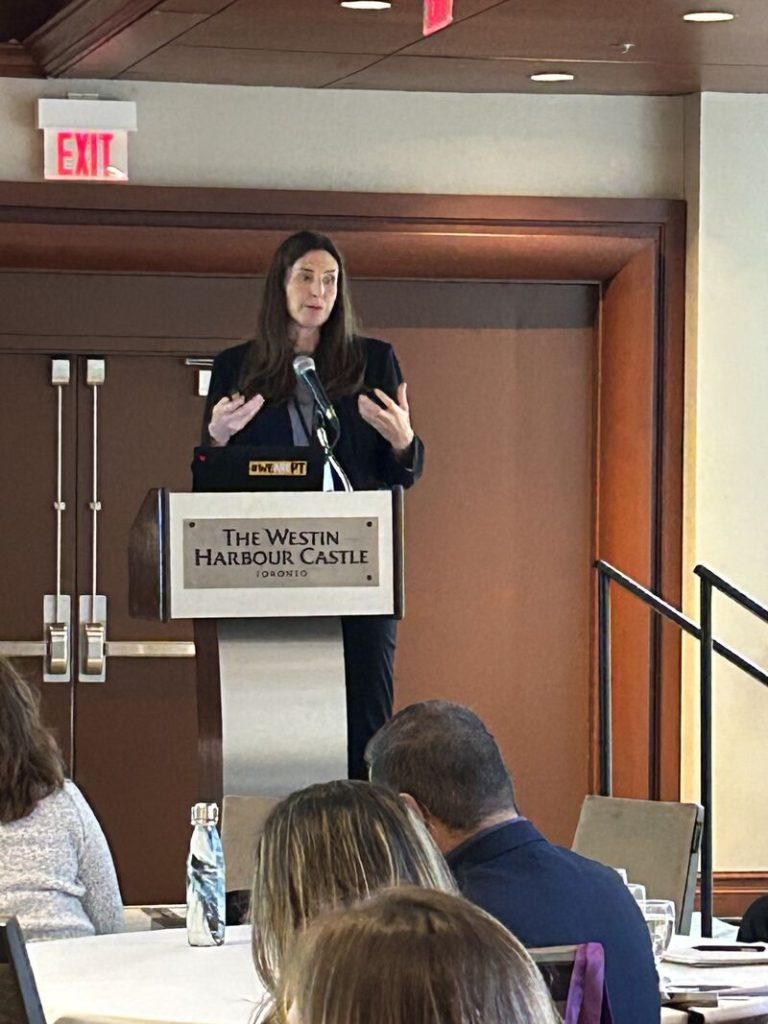
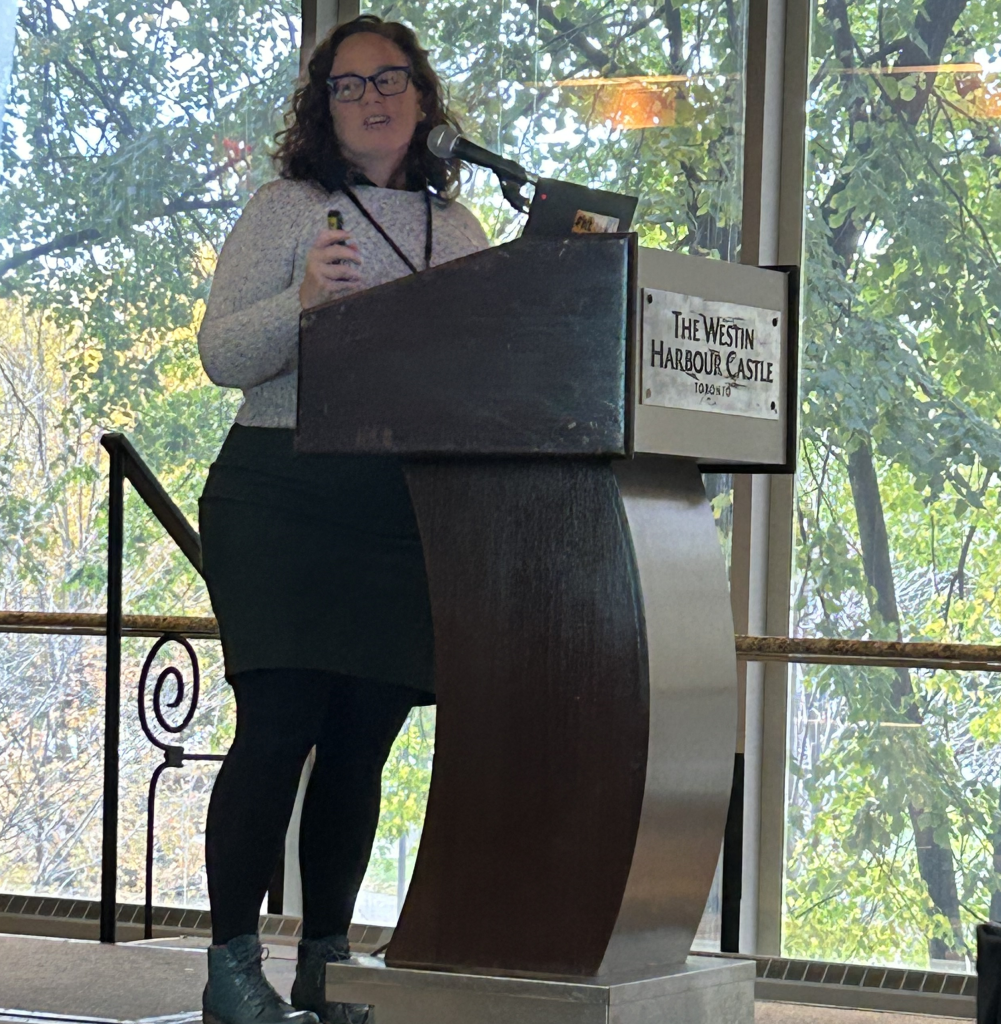
Join representatives from the College of Physiotherapists of Ontario and the Ontario Physiotherapy Association for an interactive discussion. Get updates about the organizations, learn about upcoming priorities, and have your say with a chance to get your questions answered.

  • Light refreshments will be served
  • We appreciate you registering in advance to help us plan accordingly.
locationdate & timeregister
Ottawa
Holiday Inn & Suites Kanata
101 Kanata Avenue
Wednesday, November 5, 2025 from 6 to 8 pmRegister Now
Brampton
Monte Carlo Inn Brampton Suites
45 Coventry Road
Wednesday, November 19, 2025 from 6 to 8 pmRegister Now
Webinar
Zoom – attend from anywhere
Thursday, January 22, 2026
6:30 to 8 pm
Register Now
Sudbury
Radisson Hotel Sudbury
85 Ste Anne Road
Wednesday, April 8, 2026
from 6 to 8 pm
Register Now

We hope to see you there! If you have any questions about the event, please email the College at communications@collegept.org or the OPA at physiomail@opa.on.ca.

Scope of Practice Expansion Announcement

We are pleased to share that today the Government of Ontario announced proposed changes to expand scope of practice for physiotherapists.

For physiotherapists, proposed scope expansion enables ordering of diagnostic imaging further enabling our ability to diagnose. OPA has long advocated for these changes so that people in Ontario have timely access to care. We are pleased to see this progress and OPA is committed to continue to advocate to take scope expansion across the finish line.

The government has recognized that scope expansion provides more timely access to care for people when they need it most. Supporting and enabling physiotherapists to work to the full extent of their training and expertise will further contribute to the optimal use of Ontario’s health human resources. The regulation changes for physiotherapists are straightforward and within the Ministry’s authority under current legislation, and we look forward to working with the Government to complete this important work this fall.

Sarah Hutchison 
Chief Executive Officer 
Ontario Physiotherapy Association 

Advancing the Role of Physiotherapists in Primary Care

What’s the Issue

On Friday, September 6, OPA President Courtney Bean, CEO Sarah Hutchison, Primary Care Advisory Committee Chair member Emily Stevenson, and Government Relations Representative Don Gracey met with Dr. Jane Philpott, and Carly Bergamini, Director of the Primary Care Action Team (PCAT), an Ontario government initiative. The mandate of the PCAT is to ensure 100% of people in Ontario are attached to a family doctor or a primary care nurse practitioner working in a publicly funded team, where they receive ongoing, comprehensive, and convenient care. 

OPA highlighted how approximately 20-30% of primary care visits are for musculoskeletal conditions,i, ii. Based on clinical experience in physiotherapy in primary care settings and suggested attachment rates for physicians, OPA estimates that a physiotherapist on an interprofessional primary care team can increase attachment rates by approximately 425 total rostered patients (on average) or 24%.  

With funding now available as teams expand to meet the government’s mandate of ensuring access to primary care, physiotherapists can deliver incredible value in their ability to independently diagnose and manage musculoskeletal conditions and increase attachment.   

Here’s What We Want 

  1. OPA is advocating for an expansion of physiotherapists in primary care teams in first contact roles.  
  1. OPA is advocating for the necessary statutory amendments to enable physiotherapists to prescribe x-rays and order lab tests and “forms of energy” to be completed. Physiotherapists in other provinces and “extended practice” physiotherapists in hospitals, etc. have been authorized to do for some time. It’s time for the remaining regulations to be implemented in Ontario.  

With more physiotherapists on primary care teams, and working to their full scope of practice, we can reduce wait times, enhance access to care and improve patient outcomes at no net additional cost to the healthcare system. 

Progress Made to Date 

At this time, there are physiotherapists who are part of Family Health Teams, Community Health Centres, Nurse Practitioner-Led Teams and Indigenous Primary Care Teams. However, PTs are not frequently represented on these teams, and precise figures are not readily available from government sources, especially as organizations have moved to global budgeting models and so PT positions may be independent of specifically allocated funding. For the funding year 2023-2024, the following FTEs were identified: 

  • 29.44 FTE PT in Family Health Teams 
  • 54.03 FTE PT in Community Health Centres 
  • 2.40 FTE PT in Nurse Practitioner-Led Clinics 

These FTE values are likely a small undercount of the actual number of FTEs for physiotherapists in primary care teams.  

Continuous Advocacy for PTs in Primary Care Roles 

To ensure awareness of physiotherapists in team-based primary care roles, OPA meets with the Association of Family Health Teams of Ontario (AFHTO) and the Alliance for Healthier Communities (Alliance) as well as individual OHTs. Discussions center on how PTs can increase attachment rates, and to collate various supports and resources for primary care teams regarding physiotherapists.  

Collaboration & Expanded Capacity 

OPA supports a collaborative approach to the integration of all rehab providers in primary care teams. It is important to note that communicating a diagnosis is within the existing scope of physiotherapists, which supports functioning independently as part of a team to expand capacity.  

Why This is Critical for Our Profession 

It is important to expand the number of physiotherapists in first contact roles in primary care teams to ensure Ontarians get the right kind of care when they need it.  

Current Challenges 

Implementing Scope of Practice Changes 

Well over a decade ago HRAC approved, and the necessary statutory amendments were made to enable physiotherapists to prescribe x-rays and order lab tests and “forms of energy”. The necessary regulations, however, have been held up in the Ministry for the better part of 15 years. We are hopeful that those regulations will be passed soon to reduce wait times, enhance access to care and improve patient outcomes at no net additional cost to the healthcare system. 

Increase Compensation for Physiotherapists in Primary Care Teams

OPA recently contributed to an advocacy initiative led by AFHTO and the Alliance. The OPA provided comparative data on current compensation rates in all sectors, and a proposed updated rate that accounts for inflation since 2015, when positions for PTs in primary care teams were first established with a salary of $75,000. There is also advocacy for salary rates at CHCs to rise to the same levels as Family Health Teams. OPA proposed a salary range of $97 110-$102 075, and acknowledged that these figures only account for inflation, and are not rooted in a value-based approach.  

How OPA Supports PTs in Primary Care Teams 

OPA has supported physiotherapists in primary care teams, and those looking to add physiotherapists to their teams with: 

  • Consultation on applications to the Primary Care Action Team 
  • Resources and individualized support for recruitment and retention, including job descriptions, compensation reports, interview guides and free job postings. 
  • Communication to members regarding primary care developments 

We Continue to Advocate 

Dr. Philpott acknowledged the role and value of physiotherapists in team-based care and we look forward to our continued partnership to advance opportunities for physiotherapists.   

i MacKay C, Canizares M, Davis AM & Badley EM. Health care utilization for musculoskeletal disorders. Arthritis Care & Research. 2010; 62(2): 161–169. Retrieved December 2023 from https://doi.org/10.1002/acr.20064.

ii Power JD, Perruccio AV, Paterson JM, Canizares M, Veillette C, Coyte PC et al. Healthcare utilization and costs for musculoskeletal disorders in Ontario, Canada. J Rheumatol. 2022; 49(7): 740-747. Retrieved March 2025 from https://www.jrheum.org/content/49/7/740.

OPA Staff Updates

We wanted to share with you recent OPA staff team updates. 

  
Wishing Farewell to Amy Hondronicols, Director, Practice, Policy & Member Services 

We bid farewell to Amy Hondronicols, Director of Practice, Policy and Member Services, who has made extraordinary contributions to the OPA over the past two years. Amy has been key in advancing our practice and policy work, engaging extensively with members and stakeholders across the physiotherapy community, and supporting countless initiatives that have strengthened our profession. We are excited for Amy in her new role as Director of Clinical Education at McMaster University. We wish her the very best in this new role and thank her for all that she has done for the profession.

Welcome to Emily Stevenson, new Director of Practice & Policy 

Emily is an accomplished health care leader and Registered Physiotherapist with over 20 years of cross sectoral experience advancing physiotherapy and rehabilitation. She brings a combination of clinical expertise, health system leadership, and policy development to the role of Director of Practice and Policy. Her prior experience has focused on strategy, quality improvement, and the design and delivery of innovative programs that improve access and health outcomes.

Emily holds a MSc in Physiotherapy from McMaster University and a BSc/BPHE from Queen’s University. She is the recipient of the Ontario Physiotherapy Association’s Advocacy and Leadership Award (2024) and McMaster University’s Distinguished Alumni Award (2019). Contact Emily at estevenson@opa.on.ca beginning October 6. 

Welcome to Janine Framst, new Manager of Marketing & Communications 

Janine Framst, OPA Marketing Communications Manager

Janine Framst is a seasoned marketing and communications professional with extensive experience in healthcare and member-based organizations. Before joining the Ontario Physiotherapy Association in June, she led marketing initiatives at the George Hull Centre Institute of Childhood Trauma and Attachment, significantly increasing digital engagement. Her past consulting work with a physiotherapy clinic deepened her appreciation for the profession’s role in improving health outcomes. Janine brings a strategic mindset, a collaborative approach, and a strong commitment to equity and continuous improvement. Contact Janine at jframst@opa.on.ca.

Welcome to Prerna Tawde, new Membership Coordinator 

We are delighted to welcome Prerna to the team at OPA. Prerna joined us in early August as our new Membership Coordinator. Prerna is a Healthcare Management professional with a strong background in project management and physiotherapy. She has worked at UHN, where she supported virtual education programs for healthcare providers.

She was trained in India as a physiotherapist where she worked at a multispecialty hospital in Mumbai. With a Master’s in Cardiorespiratory Physiotherapy and Postgraduate diploma in Project Management and Healthcare Management, she brings a great combination of skills and experience to our team. Contact Prerna at ptawde@opa.on.ca.

Member Spotlight – Interprofessional Collaboration for More Effective Treatment Care 

September 12, 2025

We are excited to feature four members who contributed to the article “Working with Physiotherapists: Tips for Effective Collaboration” in the Registered Massage Therapist Association of Ontario’s Massage Therapy Today magazine. 

Marcos Rodrigues, Adam A. Saporta, Raj Suppiah, and Kyle Whaley share their perspectives on the benefits of interprofessional collaboration with massage therapists.  

Whether it is meeting with clients jointly as health care professionals, coordinating efforts by exchanging observations, developing an effective treatment plan collaboratively or considering the changing client goals together, learn from all the authors about the ways to effectively communicate and collaborate with RMTs in this article. 

Hear from four members in this article:

“Through their combined expertise, RMTs and physiotherapists not only address the mechanical aspects of recovery but also support the sensory, emotional, and psychological dimensions of healing.” – Marcos Rodrigues, PT, MSc, MBA

“Clients feel more supported when they see their therapy team working together, speaking the same language, and reinforcing each other’s interventions with consistency.” – Adam A. Saporta PT, MScPT, PTS 

“As a team, physiotherapists and massage therapists must provide their clients with realistic expectations and timelines. Research has shown that treatment planning and effective communication of the plan is as important as the treatment itself. “- Raj Suppiah, BHScHons, MScPT, Cert. MDT, Cert. Sport PT

“By aligning treatment to the patient’s rehab phase—and explicitly linking it to the patient’s rehabilitation goals—RMTs and physiotherapists position themselves as the most effective team in a patient’s recovery.”- Kyle Whaley, BScPT, BSc, BPHE, CAFCI

OPA Calls for Improvements in Integrating Physiotherapy into ICHSCs

OPA recently sent a letter to the Ministry of Health with important feedback about the integration of physiotherapy in the Call for Applications for Integrated Community Health Services Centres (ICHSCs). We thank members who provided feedback which helped inform our letter. 

The Impact

We recognize the impact that ICHSCs will have in all sectors where physiotherapists work, and in particular, the direct impact that will be imposed upon physiotherapists working in the private sector and those who currently operate within the Community Physiotherapy Clinic (CPC) Program.

Several significant points we made include: 

Insufficient Compensation 

Compensation for physiotherapists serving patients within the ICHSC model remains unclear. We are very concerned that insufficient funding that is not based on current market rates for physiotherapists will not result in a sustainable program.

OPA has previously expressed concerns with the existing Bundled Care program and the distribution of funds within the bundle that has resulted in underpayment of physiotherapy services. Given the Ministry’s goal of improving access to community-based surgery for hip and knee replacements, our concerns have escalated about the ability of the public to access rehabilitation before and after surgery if there are not appropriate resources and funding available for community physiotherapy partners. 

Complexity of Patients 

It is essential that funding for physiotherapy services reflects the rehabilitation complexity of the patient regardless of where they have surgery. Physiotherapy should NOT be discounted in the community because they are considered low risk from just a surgical perspective.

Navigation 

As noted in OPA’s ongoing communications with the Bundled Care team at the Ministry of Health, there have been increasing challenges in system navigation of services for patients as the hospital role in navigation has eroded over time. OPA maintains the position that patient choice continues to be a priority. Currently, patients who undergo surgery at a hospital can choose where they access post-operative physiotherapy services, and the hospital bundle-holder is responsible for reimbursing the clinic of choice. This model has not been presented as a feature of the ICHSC program and has the potential to adversely impact accessibility and care outcomes.

Communication 

OPA asks that the current communication issues be addressed that exist in the Bundled Care program prior to ICHSCs opening. Communication to and from bundled care holders to the patient and to physiotherapists are all needing to be addressed.  

Why this is Critical for our Profession

Insufficient Compensation Impacts all Physiotherapists 

A compensation model that is both underfunded and shifts the risk to physiotherapists for rehabilitation outcomes not only impacts physiotherapy clinics providing care for ICHSC patients but erodes the value and compensation of physiotherapists in all sectors.

Current Status

This is an important issue for the profession and we commit to communicating any response we receive from the Ministry that responds to the concerns we have identified.

Advocacy is Continuous

Advocating with the Ministry and government will be ongoing until we believe that needed program changes are in place and are communicated to the profession. We know that rehabilitation for patients is critical to support good surgical outcomes. The service model needs to be built on a fair and transparent framework so that our members can participate knowing that they will be equitably treated at fair market rates. Read more news related to ICHSCs linked below. 

We encourage all members of the physiotherapy community to email the Ministry of Health and share your concerns. Use content from our letter and contact us for any additional resources at physiomail@opa.on.ca

Annual Fee Guideline Review: We Want Your Input! 

Nearly one year has passed since OPA published the 2024 Physiotherapy Fee Guideline, and we’re continuing our commitment to annual reviews that keep pace with the evolving private practice landscape. 

Physiotherapist with patient

Supporting Your Practice Success 

The Annual Fee Guideline Review ensures that physiotherapists have access to current, relevant fee guidance. This review process examines market trends, practice realities, and member needs, to deliver a tool that serves our profession. 

This resource is designed for all physiotherapists, with particular focus on those in private practice who face daily decisions about fee structures while striving to deliver exceptional patient care and maintain sustainable businesses. 

Addressing Real Practice Challenges 

We know you’re navigating an increasingly complex practice environment. Economic pressures, changing patient expectations, insurance considerations, and evolving service delivery models all impact how you structure your fees. Without current guidance, it becomes challenging to make confident decisions that balance patient accessibility with practice sustainability. 

The private practice landscape doesn’t stand still, and neither should the resources that support your success. 

How Your Input Drives Meaningful Updates 

Our annual review process is built on member engagement. We’re seeking your insights through a survey that explores your current fees, fee models, and experiences using the Fee Guideline as an advocacy tool in your practice. 

This data collection allows us to continue to evolve and modify the Guideline with your real-world experience as the foundation. 

The Value You Receive 

By participating in this annual review, you gain: 

  • Evidence-based fee guidance that reflects current market conditions 
  • A powerful advocacy tool to support conversations with patients, insurance providers, and other stakeholders 
  • Professional confidence in your fee decisions, backed by peer input 
  • Practice sustainability support that helps balance patient care with business viability 
  • Community connection through shared insights and collective professional growth 

Your Participation Matters 

The survey takes just minutes to complete but provides invaluable insights that strengthen our entire profession. Your responses help us understand emerging trends, identify challenges, and ensure the Fee Guideline remains practically relevant for diverse practice settings across Ontario. 

By participating, you are actively contributing to a resource that supports thousands of physiotherapists in delivering quality care while maintaining sustainable practices. 

Looking Forward 

Stay tuned for updates this fall as we compile insights, analyze trends, and prepare the updated guideline. This collaborative approach ensures the Fee Guideline continues evolving as a relevant, practical tool that serves our growing professional community. 

Supporting Your Professional Journey 

This annual review exemplifies why OPA exists: to provide physiotherapists with the tools, resources, and support needed to thrive in all practice settings. Whether you’re establishing fees for a new service, advocating with insurance providers, or simply ensuring your practice remains sustainable, the Fee Guideline serves as your professional foundation. 

Ready to contribute? Complete the survey today and help shape the resource that supports our profession’s future. 

InterACTION in 2026 and CPA Congress Call for Submissions 

The Canadian Physiotherapy Association has opened the Call for Presentations for abstracts to be considered for Congress 2026, hosted in Halifax, Nova Scotia from May 28-30, 2026. The Call for Presentations is open from July 2 until October 9, 2025. 

For 2026, OPA has decided to promote participation by Ontario members to both submit proposals for Congress and attend in Halifax in May. By facilitating attendance in alternating years at Congress and OPA’s InterACTION, there is an opportunity to create events with robust discussions from members of the physiotherapy community across the country. 

This decision will also enable OPA to imagine and host different types of events in 2026. Stay tuned for details about these innovative offerings throughout 2026.  We will be planning to offer our next InterACTION Conference in 2027.   

Congress 2026 Submission Requirements 

Submissions for CPA Congress 2026 must: 

  • Apply to one of the 18 themes or practice areas identified in the call 
  • Be evidence-informed and directly related to physiotherapy practice 
  • Showcase best practices and innovation 
  • Prioritize engagement and practical application 

Congress is an excellent opportunity for Ontario physiotherapists to share their expertise, research, and innovative practices with colleagues from across Canada while contributing to the advancement of the profession nationally. 

OPA encourages members to submitting proposals that highlight the outstanding work being done by physiotherapists across Ontario. Your participation helps ensure that Ontario’s voice and expertise are well-represented at this national gathering. 

For full details and a submission guide, please visit CPA’s Call for Presentations

Submission Deadline: October 9, 2025 

OPA is Hiring: Director – Practice and Policy

The Ontario Physiotherapy Association (OPA) is searching for a strategic and experienced professional to join our team as Director – Practice and Policy. This permanent, full-time position offers an exceptional opportunity to shape the future of physiotherapy practice across Ontario while advancing the profession through policy development, advocacy, and member services.

Job Description

Director – Practice and Policy – Permanent Full Time Position

The Ontario Physiotherapy Association (OPA) is a dynamic professional non-profit organization with over 5,500 physiotherapist, physiotherapist assistant and student members across the province. We are committed to the values of equity, diversity and inclusion and welcome those who will help us increase our capacity for diversity. OPA welcomes all qualified applicants and we encourage applications from members of groups that have been historically disadvantaged and marginalized, including Black, Indigenous and other racialized persons, and persons with disabilities.

The Director, Practice and Policy, is the Association’s primary contact with and resource to staff, members, volunteers and the public in the areas of practice and policy related to physiotherapy in Ontario. They are responsible for activities that contribute to the achievement of OPA’s strategic goals in member services, professional practice issues and resources, advocacy, policy and strategic partnerships.

Key Responsibilities

  • Manage internal and external environmental scanning and analysis of existing and emerging legislation and policy pertaining to physiotherapy in Ontario.
  • Identify and research emerging issues related to the practice of physiotherapy and recommend and implement strategies.
  • Develop policy and advocacy positions on behalf of OPA members.
  • Provide support to the Board of Directors, Advisory Committees and other governance groups related to the work of the Association.
  • Contribute to the development of the Strategic and Operational Plans, monitors and reports on the progress of annual objectives of the Association.
  • Develop and/or coordinate content related to areas of responsibility for association communication vehicles including newsletter, website and social media.
  • Lead and manage the education portfolio, including the OPA conference.
  • Oversee all aspects of members services, including evaluation of current programs and services and recommending and developing new member services to enhance the value of membership.
  • Participate in the hiring process of staff; responsible for the supervision and development of staff in the practice and policy area.
  • Acts as senior manager in the absence of the CEO and supports the CEO as a member of senior management.

Requirements

Knowledge:

  • Knowledge and experience with provincial/regional health systems and health system policy
  • Graduate degree in a relevant field (e.g. public relations, political science, health policy, public or business administration) an asset
  • Masters of Science in Physical Therapy – plus current registration with a Canadian regulatory College of Physiotherapists (in good standing)

Experience:

  • 5+ years of progressive leadership experience
  • Policy & Advocacy experience
  • Experience working with volunteers in a not-for-profit environment an asset

Skillsets:

  • 5+ years of progressive leadership experience
  • Policy & Advocacy experience
  • Experience working with volunteers in a not-for-profit environment an asset
    Skillsets:
  • Excellent interpersonal skills including team building, mentoring, networking and leadership
  • Strong analytical, facilitation, presentation and communication, including written, skills
  • Ability to search for and synthesize information and research
  • Solid time management, organizational and coordination skills
  • Strong problem-solving skills combined with effective risk management skills

Location
Hybrid – this position is a combination of work from home and in-person at our office location at 110 Sheppard Ave East, Toronto. The successful candidate will need to be available to work regular hours and occasional evenings and weekends.

Compensation
Salary Range: $90,000 to $115,000. Offer commensurate with experience.
Comprehensive Benefit Package.

Contact Information
Interested individuals are directed to forward a letter of interest and resume by Friday, August 22nd 2025.
Send your application to the attention of:
Sarah Hutchison, CEO
shutchison@opa.on.ca
Please also send electronically to:
apply@opa.on.ca