skip to content

Member Spotlight: An Internationally Educated Physiotherapist’s Journey from India to Ontario

Foundations: A Journey of Resilience, Leadership, & Advocacy 

Venkata Patnala, Physiotherapist and Member Spotlight with Ontario Physiotherapy Association

Venkata Patnala’s path in physiotherapy was born in India. A personal experience emphasized the importance of clinical vigilance and served as the foundation of his journey into the medical field. 

After pausing his formal education for several years due to family responsibilities, he immersed himself in hands-on healthcare. He worked in a rural pharmacy setting and assisted in hospital as a medical assistant and surgical assistant, eventually helping establish a community first-aid service at just 18. Alongside this, he demonstrated early leadership by founding a private school and managing a team of tutors while completing his secondary education.
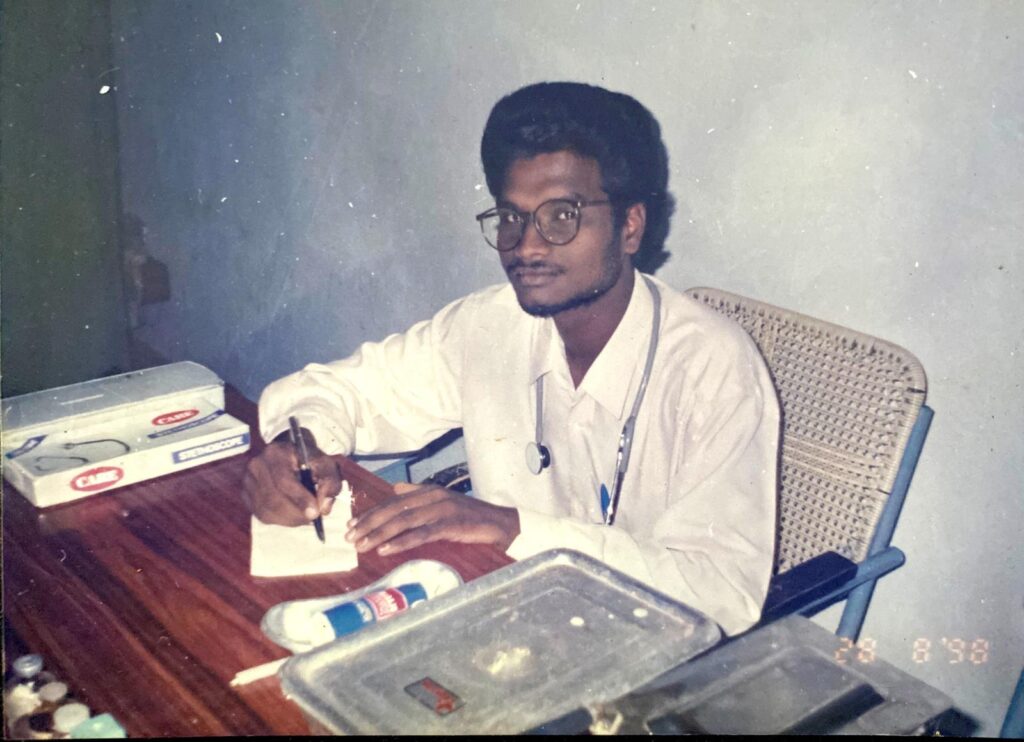
Venkata Patnala as a First aid medical practitioner in 1998
Venkata Patnala providing community first-aid services in rural India in 1998

Venkata went on to earn his Bachelor of Physiotherapy in 2005, overcoming the challenge of transitioning to an English-language curriculum. As a student, he founded the Samaikya Andhra Physiotherapy Students Association and took on a leadership role advocating for peers. He later established and expanded multiple clinics in India while continuing his education, completing a Diploma in Pharmacy and a Master’s in Orthopedics and Trauma. 

Continuous Learning Across Borders 

In 2013, Venkata brought his combined experience in clinical care and leadership to Canada. Since becoming a Registered Physiotherapist in Ontario in 2014, he has remained focused on integrating strong clinical reasoning with compassionate, patient-centered care. 

Over the years, he has pursued advanced training in Orthopedic Manual Therapy (COMPT), the McKenzie Method (Cert. MDT), Gunn Intramuscular Stimulation through the University of British Columbia, and medical acupuncture through McMaster University. 

As his experience deepened, so did his clinical focus. He became increasingly drawn to the complexities of spinal conditions, particularly scoliosis and kyphosis. This led him to complete certification in the BSPTS-Schroth method and to pursue further advanced training through the Italian Scientific Spine Institute (ISICO). Through this work, he developed a more nuanced understanding of how posture, movement patterns, and structural changes interact over time. 

The Connected System: From Spine to Foot 

While treating patients with spinal conditions, Venkata began to notice a recurring pattern. Some issues that appeared to originate in the spine were influenced by factors elsewhere in the body. 

“I started noticing that certain spinal problems were not just coming from the spine,” he says.“They were sometimes influenced by movement patterns and biomechanical factors originating at the foot and lower limb.”  

This observation led him to explore the relationship between spinal alignment and foot biomechanics more deeply. To strengthen this connection in his practice, he is pursuing formal education in chiropody at The Michener Institute of Education at UHN. By combining these areas of expertise, Venkata has developed a more integrated approach to care. Rather than treating isolated symptoms, he looks at how different parts of the body interact and contribute to overall function. 

Clinical Vigilance and Mentorship 

Over the course of his 20-year career, Venkata has come to value clinical judgment as one of the most important skills in physiotherapy. He recalls instances where patients presented with what seemed like routine musculoskeletal concerns, but further assessment revealed the need for medical referral. 

“It’s not just about treating. It’s about knowing when something does not fit the usual pattern and taking a closer look,” he explains. This mindset continues to shape his daily practice. It also informs the way he mentors students and colleagues, encouraging careful assessment, critical thinking, and a strong focus on patient safety. 

Building Community 

Venkata’s contributions extend beyond his clinical work. As the founder and first president of the Halton Telugu Association, he has helped create a space for Telugu families to connect and support one another across the region. “Moving to a new country comes with challenges that go beyond work,” he says. “There is also the cultural adjustment and the need to feel connected.” Through this initiative, he supports families, mentors younger members of the community, and helps preserve cultural traditions within Canada’s diverse social landscape. 

“For me, it is about creating a sense of belonging,” he adds. “In healthcare and in life, connection and support make a real difference.” 

Supporting the Global Community of Care  

Reflecting on his own journey, Venkata sees the transition to Canada as more than just a licensing process; it is an opportunity to build meaningful connections and community. 

“For internationally educated physiotherapists (IEPTs), my advice is to stay patient, open, and engaged,” Venkata says. “Seek mentorship early but also be willing to share your own experiences. Your clinical background is not something to set aside, it is something to build upon.” He emphasizes that joining professional associations and local cultural groups can create a dual support system that provides both clinical guidance and a sense of belonging. 

For Canadian-trained clinicians and leaders, Venkata highlights the value of active inclusion. “Internationally educated physiotherapists often bring a wide range of clinical exposure from diverse, high-volume settings. Recognizing and integrating these perspectives strengthens our teams and enhances the care we provide.” 

“When we create environments where people feel valued and supported, everyone benefits,” he adds. “It not only helps clinicians grow but also allows us to better serve the diverse communities of Ontario. Ultimately, it is our patients who benefit the most from that collaboration.” 

Looking Ahead  

Today, Venkata continues to grow as a clinician, educator, and community leader. His work reflects an integrated perspective that brings together advanced physiotherapy, specialized scoliosis care, and foot biomechanics. He remains committed to learning and to refining his approach with each patient he sees. 

“Every patient teaches you something,” he says. “That is what keeps the work meaningful and keeps you moving forward.” 

Are You our Next Member Spotlight?

Do you want to be featured? Are you in an innovative role? Spoken about physiotherapy in a podcast or the news? Published an article? Or represented the physiotherapy profession through advocacy?

We want to celebrate you as a physiotherapist, PT or PTA student or PTA!
Ontario Doctor Sounds the Alarm: Cutting Publicly Funded Physiotherapy Will Cost Us Far More 

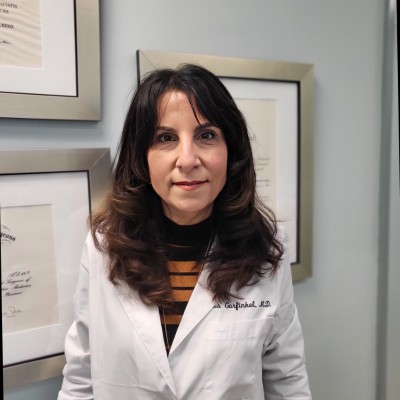
A Toronto family physician is calling out the Ford government’s decision to freeze publicly funded physiotherapy. The numbers behind her argument are hard to ignore. 

Dr. Iris Garfinkel Toronto doctor warns of physiotherapy cuts

Dr. Iris Gorfinkel

Dr. Iris Gorfinkel, a family physician and clinical researcher, recently published an op-ed in the Toronto Star describing the real-world consequences she sees daily in her practice. “I typically see three patients a day who require rehab,” she writes. “Most don’t want medications. They want to get better.” What they need, she explains, is supervised exercise, but what she can prescribe, without limit, is drugs. 

Read Toronto Star op-ed (open to Toronto Star subscribers only) 

A System Built on Underfunding 

The Ontario Physiotherapy Association (OPA) has long raised concerns about chronic underfunding of the Community Physiotherapy Clinic (CPC) Program; a program that provides publicly funded physiotherapy to primarily seniors and youth. The gap between need and funding has been growing for decades, and it’s getting worse. Since 2013, Ontario’s senior population has grown by 940,000. In that same period, available CPC referrals grew by only 17,000. Operating costs for program delivery have risen 40%, while program funding has increased by a mere $20 in 13 years. While clinics deliver on average 6.2 visits per patient referred, the funding of $334 only covers about 3 of those visits, forcing them to operate at a loss. 

The Ford government’s latest move freezes clinic funding at zero growth for the next two years. Ontario needs funding to serve 195,000 referrals annually to this program to align with the growing senior population. Current funding will cover only 140,000. 

The Math Is Clear 

What makes this freeze especially difficult to justify is the return on investment. Every $1 invested in the CPC Program saves the government $4 in other healthcare costs. The program prevents an estimated 70,000 emergency department visits every year, while also reducing hospital admissions, diagnostic imaging, surgeries, and specialist consultations. 

Defunding physiotherapy doesn’t eliminate the need for care. It shifts the cost to much more costly care – emergency rooms, operating rooms, and long-term care – and access to physiotherapy is still needed. 

Real Patients, Real Consequences 

Dr. Gorfinkel describes one of her patients: a 72-year-old grandmother in tears, her knee failing her, who had already waited six weeks on a physiotherapy waitlist. “She could have fractured her hip,” Gorfinkel writes. Falls and fractures are among the most costly and preventable outcomes in senior care, and timely physiotherapy is one of the most effective tools we have to prevent them. 

Research backs this up. A landmark Sunnybrook study following nearly 900 colon cancer patients found that those in a supervised exercise program were more likely to remain disease-free eight years later and cost $1,600 less per patient than those who received educational materials alone. Exercise and rehabilitation aren’t optional. They are evidence-based medicines. 

The Downstream Risk 

OPA has also flagged that underfunding the CPC Program impacts other publicly funded programs, including the Bundled Care Program for hip and knee replacements. When the government underinvests in rehabilitation, it signals that access to physiotherapy is optional, while simultaneously pushing greater demand onto already-strained parts of the healthcare system. 

Several physiotherapy clinics across Ontario have decided that they can no longer afford to deliver care through this program. And many more have signaled their planned departure from the program, if the funding does not increase to meet their operational costs. Each departure from the program means one fewer physiotherapist available to people in Ontario who rely on publicly funded services; leaving many with no access.

What Needs to Change 

The fix is evident:  

1. Eliminate the cap of 142,000 patient referrals and fund the access that people in Ontario actually need.  

2. Raise the per-patient rate to account for increasing operating costs, and ensure people in Ontario continue to have access to essential physiotherapy services. 

As Dr. Gorfinkel states: “When my patient is left to cry because she can’t get rehab without her credit card, the real sickness isn’t arthritis; it’s political neglect.” 

The evidence hasn’t changed. The question is whether Ontario’s government is willing to act on it. 

Charlotte Anderson, OPA’s President Message, June 2026

Watch Charlotte Anderson, OPA’s President, share highlights after the first meeting of the 2026–2027 Board of Directors.  

She speaks to OPA’s ongoing CPC advocacy, the What’s Next campaign featuring PTs and patients from across the province and work the Association is doing regarding recent scope of practice changes. You can reach Charlotte at president@opa.on.ca.  

Introducing OPA’s 2026-2027 Board of Directors

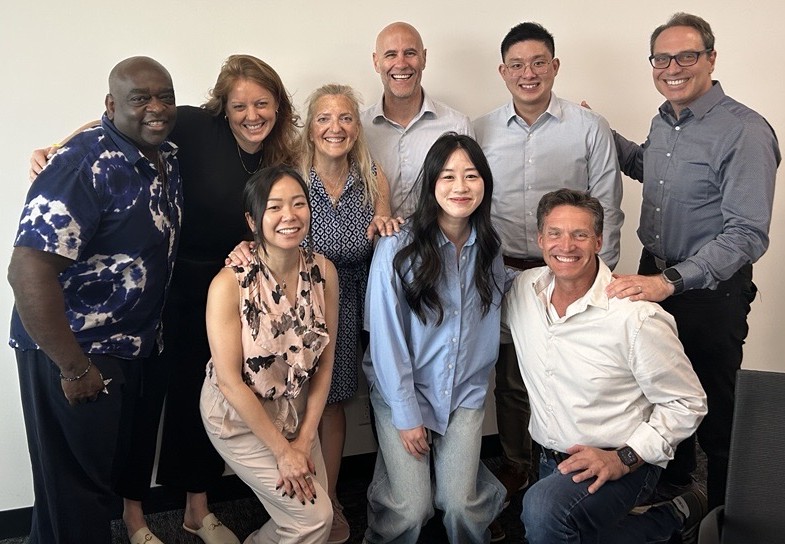
2026-2027 OPA Board of Directors (From L to R: Courtney Bean, Charlotte Anderson, Jennifer Howey, Kyle Whaley, Terry Wang, Anthony Grande, Carrie Lau, Wing Ting Truong, David Egbert

Charlotte is joined on the 2026-2027 Board by Courtney Bean, David Egbert, Anthony Grande, Jennifer Howey, Carrie Lau, Wing Ting Truong, Terry Wang and Kyle Whaley. The Board met on Saturday, June 6, to continue the work of the Association on behalf of Ontario’s physiotherapy community.

OPA Launches “What’s Next for Physiotherapy?” 

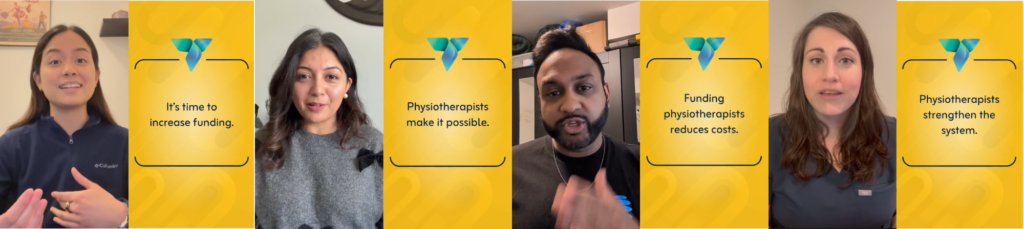
What's Next for PT marketing campaign participants

This June, OPA launched an ambitious province-wide campaign. It is designed to channel a defining moment in Ontario physiotherapy into a long-term conversation about the future of the profession, patient care, and healthcare in Ontario. 

The goal is to reach physiotherapists across every region, practice area, and career stage in Ontario, grow awareness of what the profession can and should be, and establish OPA as the place where that conversation happens.  

The campaign isn’t about OPA speaking to physiotherapists. It’s about physiotherapists speaking to physiotherapists. 

Why This Campaign Matters

Ontario’s healthcare system is under mounting pressure: demand for care is growing, the population is aging, and delivery models are evolving faster than ever. Physiotherapists are already at the front lines of that shift, reducing unnecessary ER visits, supporting earlier interventions, and improving access to care across the province. With expanded scope now underway, the question is no longer whether physiotherapists can do more. It’s what comes next, and how the profession will help shape it. 

The campaign’s approach is as deliberate as its message. What’s Next was built around short videos featuring real physiotherapists and patients speaking in their own voices, grounded in lived clinical experience. They share views on where Ontario’s healthcare is headed. Audiences trust people more than corporate messages, and social platforms reward that authenticity. OPA leaned into that reality fully. 

What This Means for the Profession – and For You

This campaign speaks to every practice area of the profession. Whether you work in private practice, a hospital, or a community health setting, it validates the work you do every day. It makes the case, publicly, for the expanded role physiotherapists are already fulfilling. It connects individual challenges around access and funding to a system-wide argument: physiotherapy isn’t a complement to Ontario’s healthcare system. It’s a cornerstone of its future. 

The What’s Next campaign is a direct expression of what OPA does: advocate for the profession and ensure physiotherapists have a seat at the table when decisions about Ontario’s healthcare are made. That work happens because members across the province choose to invest in it collectively, and this campaign gives every one of them something to rally behind. 

Join the Conversation

The campaign is now live. Watch the videos, explore the patient stories, and join OPA if you’re not already a member, so you can be part of shaping what comes next.  

Not yet an OPA member?  

An OPA membership supports advocacy, connects you with peers across the province, and gives you industry-leading insurance coverage, all while ensuring your profession speaks with one powerful voice. 

The future of physiotherapy in Ontario is already taking shape. Be a part of it. 

National Physiotherapy Month Excitement! 

Every year, the Ontario Physiotherapy Association highlights the experiences of its members and the impact they make with their clients and in their communities. 

National Physiotherapy Month takes place in May and members in 2026 could participate in two ways:

  1. Tagging OPA with both #npm2026 and #wearept so that we could share their post. 
  1. Submitting their pictures for OPA to publish on our communications platforms. 

We were pleased to see how the physiotherapy community got involved! 

Check out a few of those who tagged us or submitted directly:

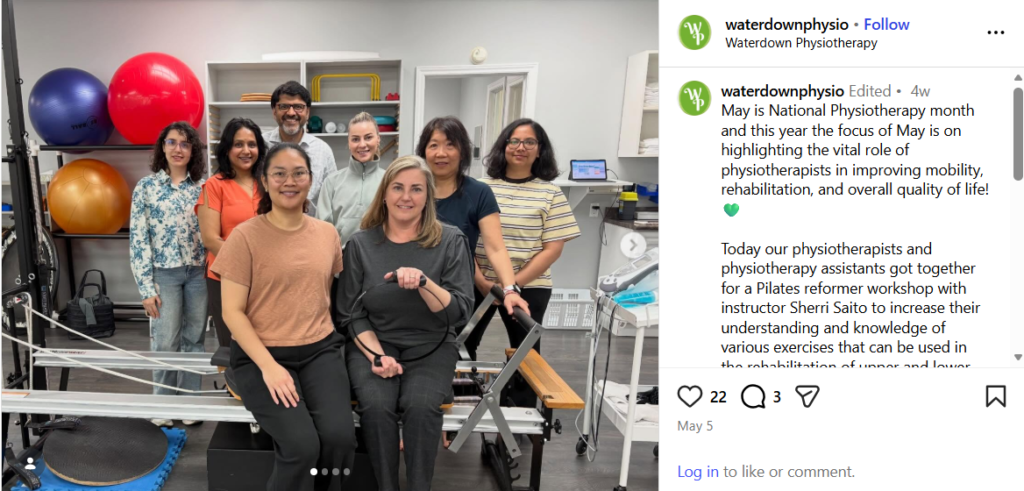
Waterdown Physiotherapy Celebrating National Physiotherapy Month
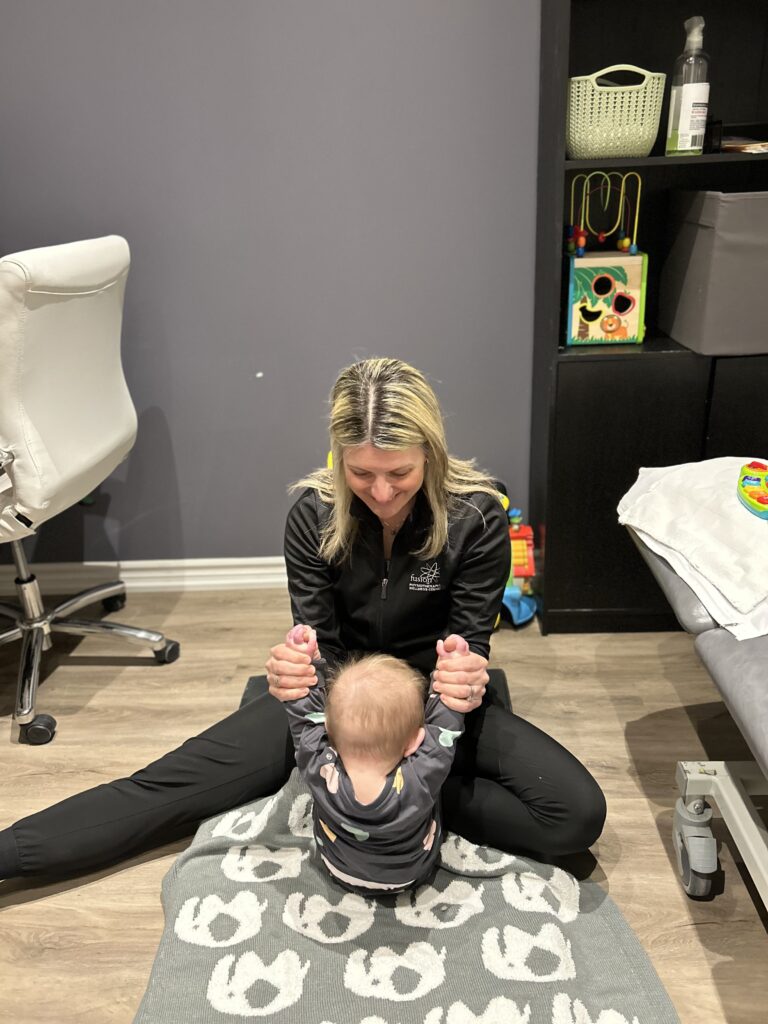
Natasha Weber, Physiotherapist with client for National Physiotherapy Month
Natasha Weber, Physiotherapist
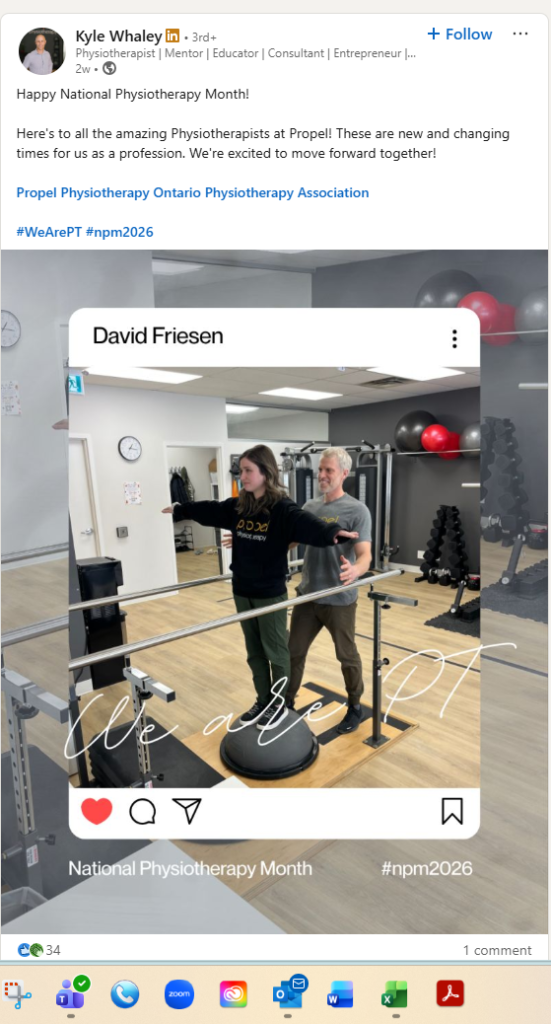
Kyle Whaley from Propel Physiotherapy
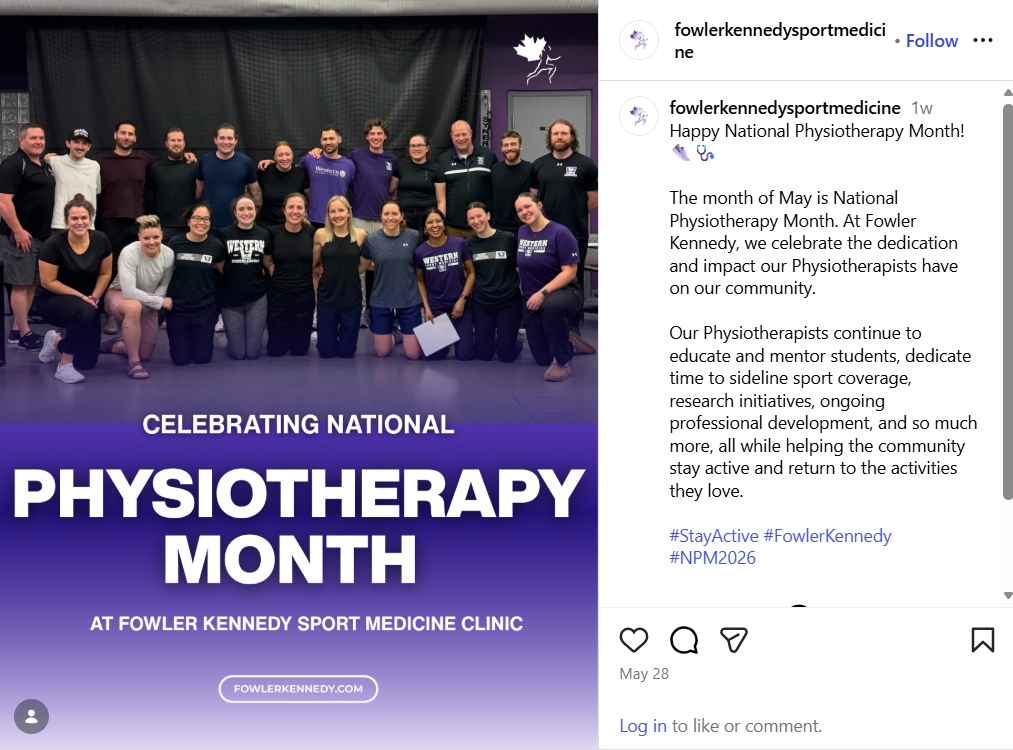
Kennedy Sports Medicine Clinic Celebrating National Physiotherapy Month
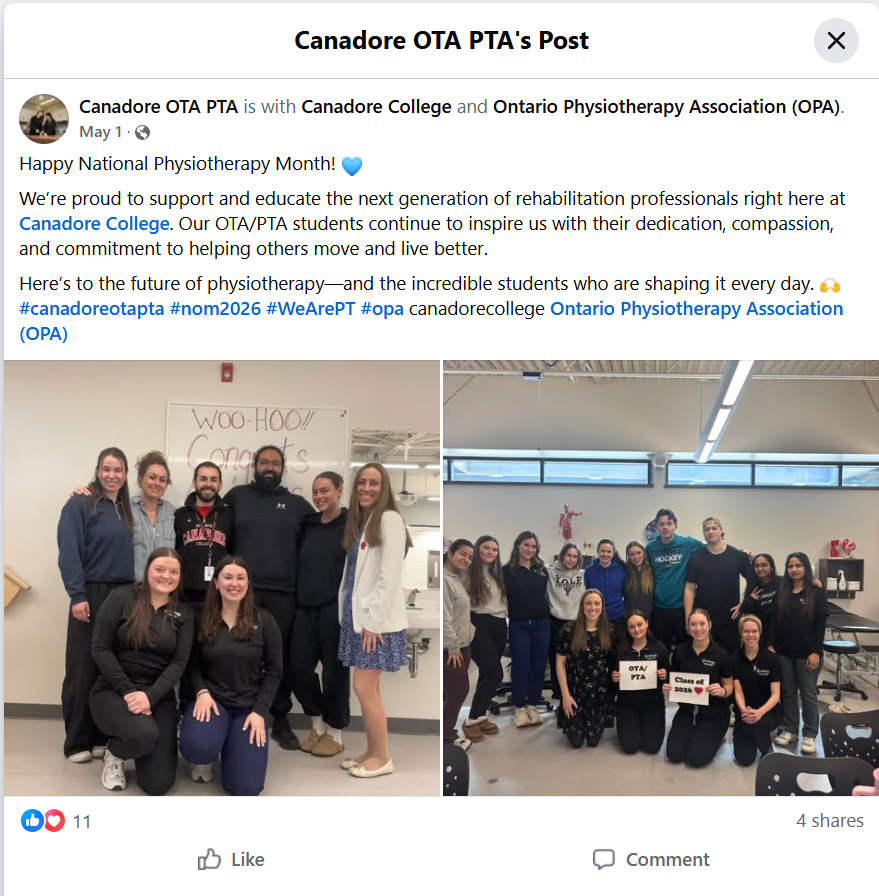
Canadore College picture with PTAs/OTAs

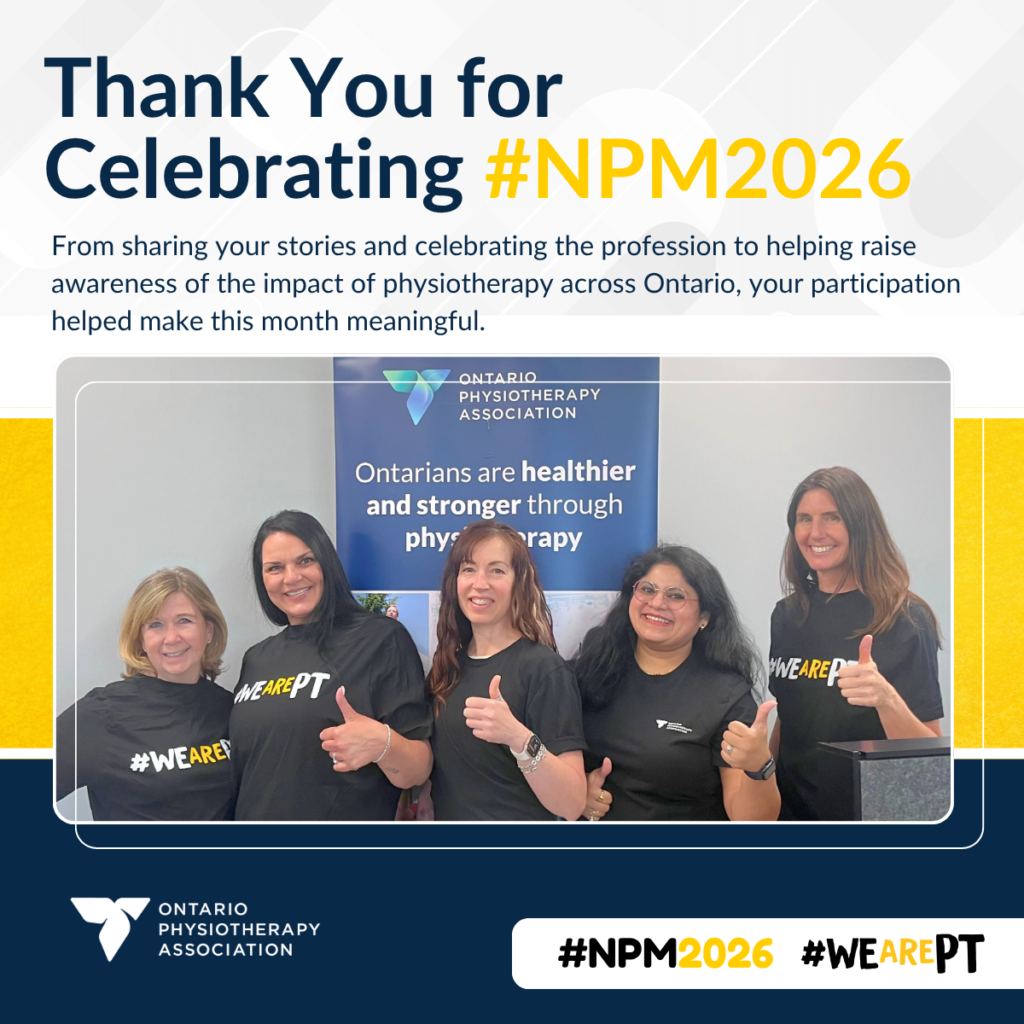
Thank You from OPA Staff!

Ontario Physiotherapy Association staff thank you for celebration national physiotherapy month 2026

OPA Contest 

Every OPA member who tagged OPA or submitted their picture and information was automatically entered into the $100 gift card draw.   

Congratulations to Fowler Kennedy Sports Medicine Clinic who won the draw! 

OPA Leadership Attends Congress 2026! 

We were excited to have several engaged OPA members and staff attend the Canadian Physiotherapy Association’s Congress from May 29-30, 2026, in Halifax. 

Charlotte Anderson, OPA’s President connected with the physiotherapy community across the province, including with Ontario District Presidents. 

District Presidents at Congress

OPA was pleased to see several Ontario District Presidents share their knowledge at Congress. OPA’s Central Toronto District Co-President Tiffany Tiu presented on pain science. Tina Ziebart, District President of London District and Alyssa Benitez, York Region and Scarborough District President discussed older adult care. 

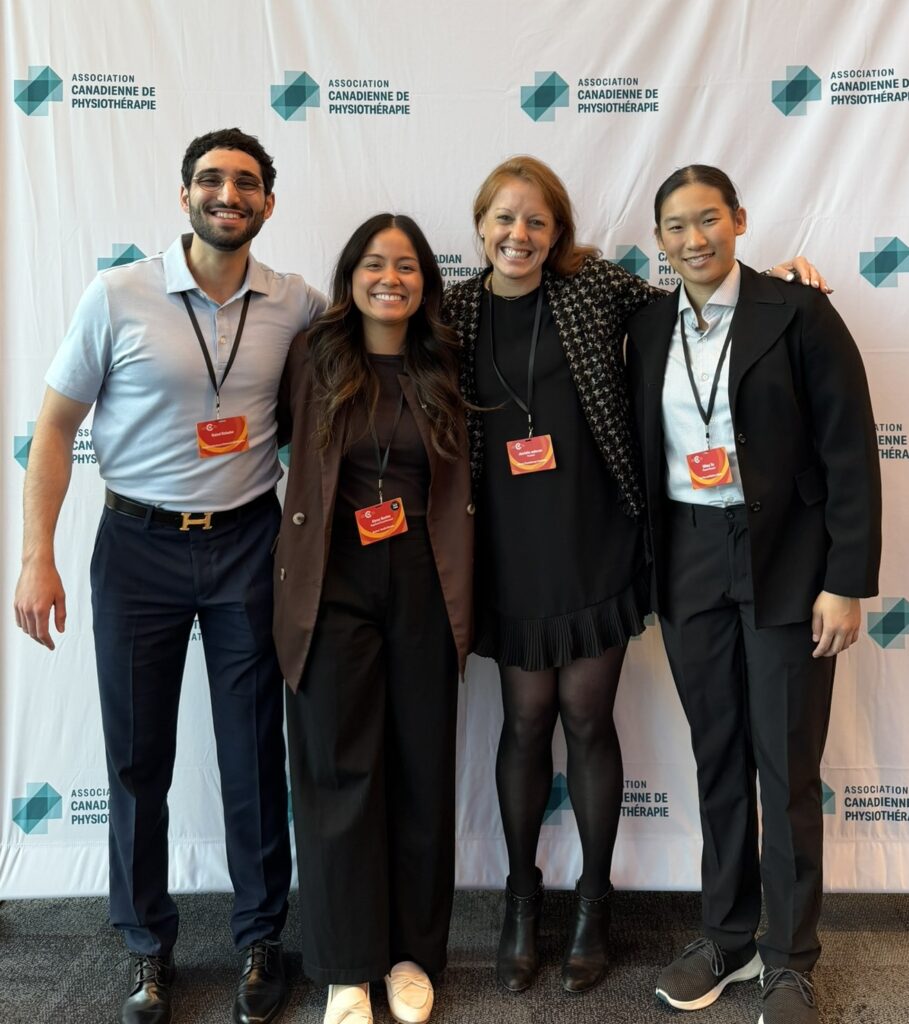
Charlotte Anderson with Alyssa Benitez, York Region Scarborough District President and Tiffany Tiu, Co-President for Central Toronto and another male Physiotherapist

OPA’s Emily Stevenson Co-Moderating Session

We were proud to witness Emily Stevenson, OPA’s Director, Practice and Policy co-moderate a session on primary care. OPA has been consistently advocating that with an increase in primary care funding, physiotherapists must be included as core members of interdisciplinary primary care teams. Increasing the number of primary care physiotherapists in Ontario is an essential step towards improving health system capacity and bringing comprehensive and convenient care to more people in Ontario.     

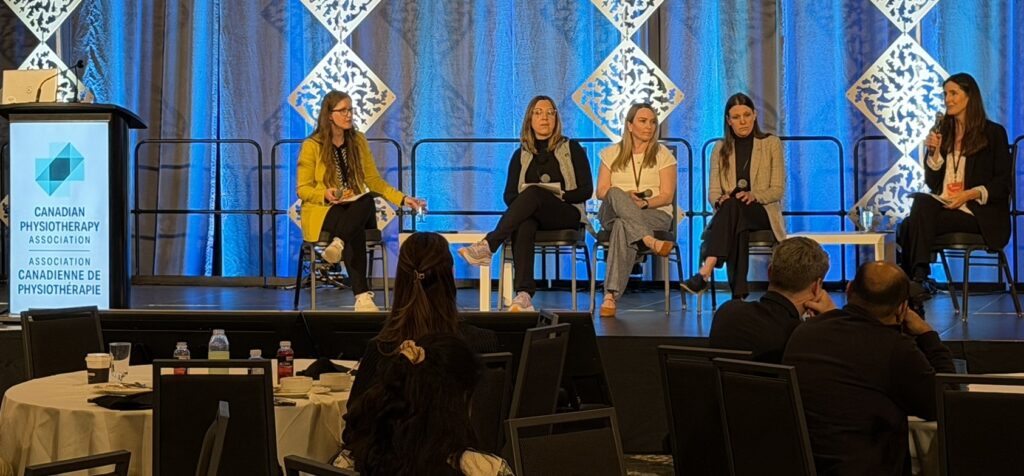
Emily Stevenson, OPA Director, Practice and Policy along with Lisa Carroll at CPA moderating a panel at Congress

Sarah Hutchison Strengthening Relationships

Sarah Hutchison, OPA CEO, along with Jennifer Howey, OPA Board Director, attended and networked with the physiotherapy community across the province, strengthening relationships and bringing back practical ideas to better support OPA members. 

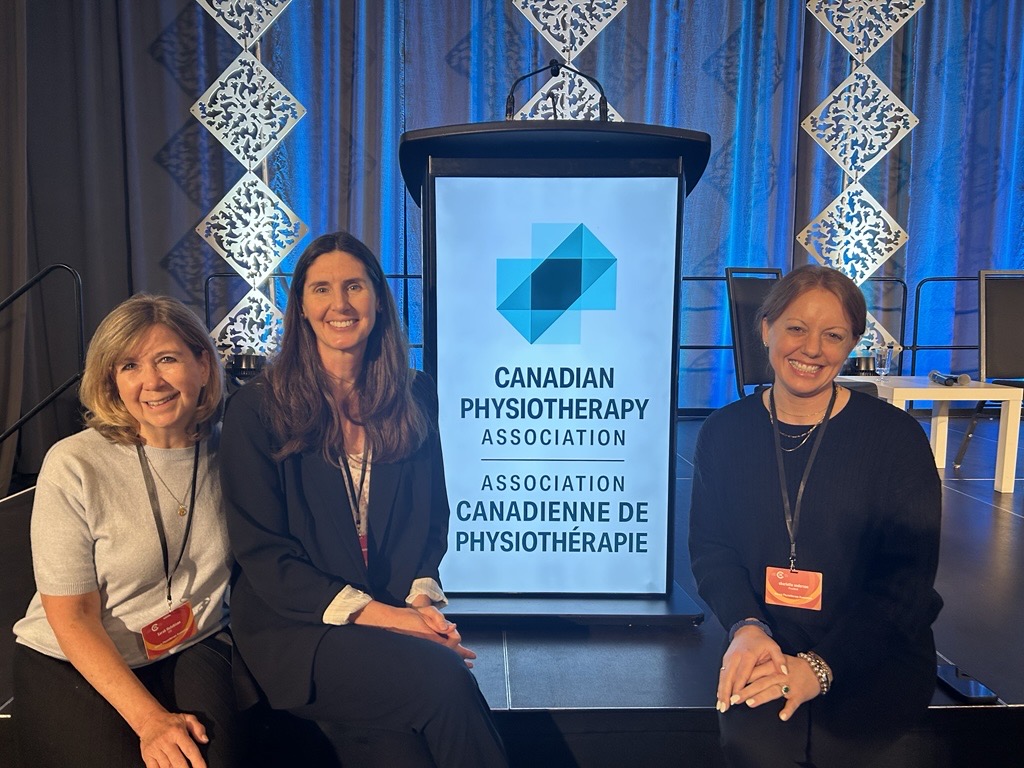
Sarah Hutchison, OPA CEO, Emily Stevenson, Director, and Charlotte Anderson, President at CPA Congress

OPA members and staff were inspired and invigorated by CPA’s Congress and look forward to welcoming CPA members from across the country to OPA’s InterACTION conference in 2027!