skip to content

Member Spotlight: Elizabeth Benny’s Primary Care Journey

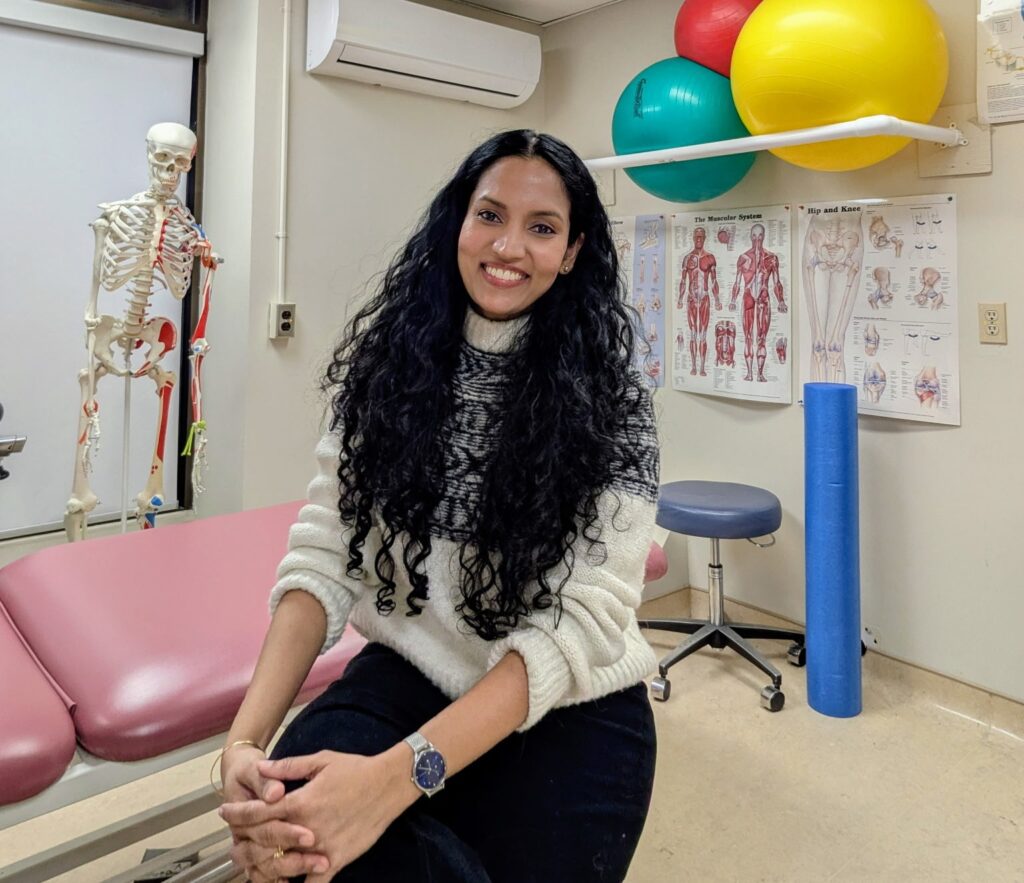
Elizabeth Benny, Physiotherapist and OPA Member Spotlight in primary care

Elizabeth Benny’s journey as a physiotherapist began in India, where she completed her Bachelor of Physiotherapy in 2007. She started her career in a quaternary care hospital, working for four years within a multidisciplinary rehabilitation team.

“This setting provided me a strong clinical foundation and exposure to complex inpatient and outpatient populations across orthopaedics, neurology, cardiopulmonary care, oncology, medical and cardiothoracic ICUs, neonatal and neurosurgical ICUs, and organ transplant services,” says Elizabeth.

She later joined a university hospital under the Bahrain Defence Force, where she helped develop an orthopaedic triage unit. Reflecting on this phase, Elizabeth explains that the role strengthened her clinical reasoning, assessment, and diagnostic skills and introduced her to an early model of first-contact physiotherapy.

After immigrating to Canada and completing the licensing process, Elizabeth began working at a Community Health Centre (CHC). At the time, she says she had only a limited understanding of what a CHC truly represented. “The transition from a fast-paced corporate healthcare system to one characterized by long waitlists and patients facing profound medical and social complexity was challenging” she says. “Yet the work felt deeply familiar, echoing my upbringing in a village in Kerala, India.”

Discovering Primary Care

At the CHC, Elizabeth encountered patients living with chronic pain complicated by psychosocial stressors, trauma, economic hardship, and marginalization. “I quickly realized that physiotherapy alone was insufficient; meaningful care required addressing the social determinants of health,” she says.

This realization shaped her professional direction and led her to pursue a Master’s Degree in Physiotherapy. Her research focused on chronic pain management and resulted in a peer-reviewed publication, Ontario Musculoskeletal Physiotherapists’ attitudes and beliefs about managing chronic low back pain (Physiotherapy Canada, 2020). Over the following decade, Elizabeth’s role expanded to more than hands-on treatment.

“My role expanded beyond clinical treatment to include conducting programs, patient education, self-management strategies, behaviour change, outcome measurement, referral coordination, interprofessional collaboration, and case management when needed,” she explains. “For me, the question shifted from why I came to primary care to why I stayed.”

For Elizabeth, working in a CHC is about purpose. “While I may not always eliminate pain, I can consistently offer support, continuity, and compassionate care, and that has proven deeply meaningful,” she says.

Physiotherapy in a Primary Care Setting

Elizabeth currently works full-time as a physiotherapist at CommunitiCare Health. She primarily sees adult patients with musculoskeletal conditions, many of whom live with chronic pain, and she is also trained in vestibular rehabilitation.

Elizabeth explains that primary care physiotherapy relies heavily on a biopsychosocial model. “Many patients have experienced significant adversity, including displacement from war-torn regions, interpersonal violence, discrimination, substance use challenges, or systemic inequities,” Elizabeth says. “These lived experiences profoundly influence pain, recovery, and function.”

She recalls a patient with persistent knee pain who did not improve despite appropriate rehabilitation. Further discussion revealed the patient was climbing eight flights of stairs multiple times a day because she feared using her building’s elevator due to Islamophobic abuse. With support from a social worker and police, the patient was able to safely use the elevator, fully participate in rehabilitation, and experience gradual pain reduction.

In another case, an elderly patient disclosed he slept in a chair because he did not own a bed. “A referral to a community health worker addressed this basic need, making rehabilitation possible,” Elizabeth explains. These experiences reinforce a central principle of primary care: “Pain and function cannot be separated from lived experience,” she says. “Physiotherapy extends beyond exercise prescription to advocacy, collaboration, and addressing root causes.”

Elizabeth works within a robust interprofessional team that includes physicians, nurse practitioners, occupational therapists, kinesiologists, psychotherapists, social workers, chiropodists, dietitians, and community health workers. Care is delivered through both individual appointments and group-based programs.

“This is only possible through cohesive teamwork,” she notes.

First-Contact Physiotherapy in Action

Elizabeth played a key role in implementing first-contact physiotherapy within her team. She explains that success depended heavily on interprofessional collaboration. “I advocated for direct access to allow all team members to book patients directly into my schedule and reduce a growing waitlist,” she says. This included the reception staff who were trained to book patients presenting with MSK issues directly into the physiotherapist’s schedule.

As the model developed, waitlists were gradually eliminated and administrative burden decreased, allowing more time for patient care. Elizabeth notes that benefits to this model included timely access to musculoskeletal care, reduced burden on family physicians, early identification of red flags, improved patient flow, and early activation to prevent falls and injury.

Challenges such as role ambiguity and managing complex presentations were addressed through clear communication, standardized documentation, and close collaboration with physicians.

Expanding Scope of Practice

Elizabeth’s role pushes beyond traditional perceptions of physiotherapy in Ontario: “My role extends beyond addressing physical impairments to actively considering psychosocial factors such as stress, emotions, beliefs, and social context,” she says. Functioning as a first-contact provider, triage clinician, case manager, and patient advocate is essential within a primary care framework,” she explains.

Impact on Underserved Populations

Chronic pain management has been the most impactful area of Elizabeth’s practice: “My approach is grounded in the biopsychosocial model and often begins with motivational interviewing, sometimes starting with something as simple as encouraging a patient to return to their favourite coffee shop,” she says. Elizabeth is particularly focused on developing expertise in chronic pain and vestibular rehabilitation for underserved populations.

“For many patients, even the cost of public transportation is a barrier to care, making private vestibular rehabilitation inaccessible,” Elizabeth explains. “Everyone deserves the right care.” She adds, “I deeply empathize with individuals living in constant fear of pain, dizziness, imbalance, and falls, all of which are conditions that significantly restrict participation and quality of life.”

Improving Access and System Efficiency

When Elizabeth joined her CHC, the physiotherapy waitlist was nearly two months long. Limited discharge capacity meant only a small number of initial assessments could be completed each month.

By pursuing additional education in chronic pain management and implementing group-based programs, the team transformed service delivery. As a result, patients were discharged sooner with improved outcome measures, assessment capacity increased, and the waitlist was reduced to under 48 hours. Twenty-four-hour urgent appointments were also introduced for post-surgical, post-fracture, and prenatal patients.

Through a first contact model, Elizabeth explains, patients were often seen by physiotherapists faster than by family physicians for musculoskeletal concerns. “Physiotherapists functioned as a triage service, escalating care when red flags were identified and initiating treatment when appropriate,” she says. This approach preserved physician capacity and contributed to reduced emergency department utilization.

Strengthening Attachment to Primary Care

Elizabeth describes the Community Health Centre as a patient’s healthcare home: “This model ensures that no patient in need is denied access to physiotherapy and strengthens attachment to primary care teams,” she explains.

Rather than focusing solely on a diagnosis, the team considers the full context of each patient’s life. “This is what a CHC represents,” she adds. “Healthcare delivered under one roof, with dignity, continuity, and compassion.”

Looking Ahead

Elizabeth believes that focused advocacy is required to expand primary care physiotherapy roles in Ontario: “Primary care physiotherapy is a niche that requires maturity, accountability, empathy, ongoing skill development, and strong ethical grounding,” she says.

Despite their impact, many roles remain vacant due to low remuneration and high turnover. Elizabeth emphasizes the need for appropriate compensation, recognition of advanced scope, sustainable funding models, and education about primary care physiotherapy.

Reflecting on lessons learned, she highlights the importance of leadership, strong networks, standardized practices, ongoing evaluation, and continuing education aligned with community needs. “Above all, a strong support system is critical,” Elizabeth says. “Managing complex care in primary care settings can be emotionally demanding, and having a trusted team for guidance and encouragement is indispensable.”

Are You our Next Member Spotlight?

Do you want to be featured? Are you in an innovative role? Spoken about physiotherapy in a podcast or the news? Published an article? Or represented the physiotherapy profession through advocacy?

We want to celebrate you as a physiotherapist, PT or PTA student or PTA!
NDP Calls Out Government of Ontario for Shortchanging Physiotherapy 

NDP Shadow Minister of Health MPP France Gélinas (Nickel Belt) released the following statement in response to the Minister of Health’s near frozen budget for the last 13 years, for community physiotherapy services. 

“Access to Physiotherapy is an important part of staying healthy after an injury or surgery. Patients get back to work sooner and rely less on pain killers during recovery. I agree with the Ontario Physiotherapy Association that the Ford government and Health Minister Sylvia Jones are not recognizing the value that physiotherapists add to our health care system.” 

Recent Announcement

The Ontario Physiotherapy Association sounded the alarm on April 15, 2026, regarding the Community Physiotherapy Clinic (CPC) Program lack of funding. The Government of Ontario recently notified CPC clinics that there is no increase in patient funding or program capacity for the next two years. Despite a proven track record of saving healthcare dollars, the program has been pushed to a breaking point due to chronic underfunding over the last 13 years.

About the CPC Program 

The CPC Program is a vital health service for patients who qualify, mostly seniors, and those who do not have private insurance. 

Investing in this program is one of the most cost-effective ways to support the provincial healthcare budget. The CPC Program currently delivers extraordinary value: 

  • System Savings: Every $1 invested in the CPC Program saves the government $4 in other healthcare costs.  
  • Emergency Prevention: The program prevents 70,000 emergency department visits annually.  
  • Reduced Strain: It reduces hospital admissions, diagnostic imaging costs, surgeries, and specialist consultations.  
  • A single emergency department visit costs $275. The CPC Program’s value is clear, but the government isn’t investing to match it. 

The Ontario Physiotherapy Association calls on the Ford government to think again and provide immediate, sustainable funding to ensure that seniors and vulnerable populations living in Ontario are not left behind.   

Member Spotlight: Establishing the PT Role in the ER

Madison Ames, Physiotherapist in an Emergency Department at North York General Hospital

After graduating from Queen’s University in 2023, Madison Ames began her career as a physiotherapist at North York General’s Finch Site Reactivation Care Centre (RCC). Her early experience involved working with a geriatric alternate level of care (ALC) population, which supported patients who had been discharged from acute care but were not yet ready to return home safely.

“Our primary goal was to enhance patients’ functional mobility and support discharge planning, whether that meant returning home with supports, transitioning to community programs, or entering long-term care.” Madison explains. Later, she transitioned to the rehabilitation unit at Finch Site RCC, treating geriatric patients with varying rehabilitation needs.

Establishing the Emergency Department Role 

In March 2025, Madison took on a completely new challenge: establishing a physiotherapy presence in the Charlotte & Lewis Steinberg Emergency Department (ED) at North York General Hospital (NYGH). It was as brand new position for this hospital. “I was responsible for developing and defining the scope of the physiotherapy role within this fast-paced environment,” she says. 

Unlike most physiotherapy roles in emergency departments, Madison’s work primarily targets admitted patients who remain in the ED while awaiting a bed on an inpatient unit. With patients often spending more than 24 hours in the ED due to high hospital volumes, her role is critical in preventing early deconditioning. “These patients are at significant risk of complications like pneumonia, delirium, and functional decline,” she explains. Early mobilization is essential to preserving independence and ensuring a smoother recovery. 

Because the role was entirely new, Madison had to build everything from the ground up.

“Through trial and error, I established an effective workflow and clinical routine,” she says. “A critical part of this role is determining which patients are appropriate for mobilization, particularly given the medical instability and diagnostic uncertainty often present at this stage.” 

When patients present to the ED, there is often limited information available about their background and overall functioning. As one of the first health professionals to assess many of these patients, Madison plays a vital role in collecting functional and social histories, often uncovering information that hadn’t yet been captured. “Families and patients have disclosed falls, cognitive concerns, or weight loss that hadn’t come up in previous conversations,” she notes. “By identifying these concerns early, I am able to relay key information to the appropriate team members and support timely interventions during hospitalization.” 

The value of Madison’s role expands far beyond her assessment skills and encompasses the compassion and patient-centered approach she brings. “Even though I may have seen many patients with similar conditions, I remind myself that for the individual in front of me, this is new, frightening, and overwhelming,” she reflects. “What feels routine to me as a healthcare provider is, to them, a life-altering moment.” 

Her role has been particularly impactful with geriatric patients suffering from conditions like urinary tract infections, pneumonia, delirium, and failure to cope. Madison’s role is critical in these cases, as this patient population is at risk for significant decline after only a few days of hospitalization: “A patient who walked independently at home could become unable to ambulate more than five meters after just one or two days in hospital,” she explains. Interventions such as therapeutic ambulation, supporting patients to mobilize to the washroom, transferring to a bedside chair for meals, or simply encouraging them to dangle at the edge of the bed can have a significant impact on reducing deconditioning and maintaining functional independence. 

In addition to preventing deconditioning, Madison’s assessments often support complex discharge planning. She assists with stair assessments, mobility strategies for patients with complex conditions, and supports discharges directly from the ED, helping avoid unnecessary hospital admissions. 

Collaborative Care and System-Wide Impacts

Madison’s role also aligns closely with system-level goals like reducing hallway medicine and improving patient flow. Collaborating with the Geriatric Emergency Management (GEM) nurses, Madison has helped streamline transfers directly to inpatient rehabilitation facilities, thereby avoiding acute admissions and ensuring patients receive the focused support they need.

“Through established relationships with several rehabilitation hospitals across the Greater Toronto Area, we have developed an efficient process to identify suitable patients [for inpatient rehab], set goals and care plans, complete applications, and successfully facilitate admissions and same-day transfers,” Madison shares. This process has been particularly impactful in reducing admissions to acute care units and reducing the associated risks. 

To make a lasting impact, Madison believes it’s critical for both decision-makers and healthcare providers to recognize the value of physiotherapy and early mobilization. “Deconditioning begins within hours of immobility,” she stresses. “In just 24 to 48 hours, patients begin to lose strength, limiting their ability to perform basic functional tasks.” 

Madison points out that one in five geriatric patients develops delirium after just 12 hours in the ED. “Facilitating mobility…can help maintain orientation and reduce the risk of delirium,” she says.  

For other hospitals or leaders looking to replicate this model, Madison emphasizes the need to educate all staff members about the role and benefits of physiotherapists in this setting. Madison notes the equal importance of empathy and compassion in the emergency department “Patients are often in pain, unwell, anxious, or uncertain about next steps, [and] understandably, walking or mobilizing is not always something they feel ready to do.” 

A Day in the NYGH Emergency Department  

A typical day for Madison begins with reviewing consults and prioritizing patients. Her caseload can vary from just a few consults to over 40 in a given shift. “On high-volume days, when it is not feasible to assess every patient, I begin with a brief chart review to identify priorities,” she explains. She often prioritizes geriatric patients, those with the longest ED stay, and those at high risk of deconditioning. Detailed chart reviews, collaborative discussions with interdisciplinary team members, and care coordination are all part of Madison’s role in the emergency department. Between assessments, treatments, and documentation, Madison manages to maintain a level of flexibility, allowing her to respond to emerging needs throughout the day. 

Looking ahead, Madison believes advocacy and funding roles like hers are essential to transforming patient care.

“Having a physiotherapist embedded in the ED… helps reduce the risk of deconditioning,” she says. “Patients are mobilized sooner; their mobility status recommendations are clearly documented, and unit physiotherapists receive patients with a more complete understanding of their functional baseline and discharge plan.” 

Are You our Next Member Spotlight?

Do you want to be featured? Are you in an innovative role? Spoken about physiotherapy in a podcast or the news? Published an article? Or represented the physiotherapy profession through advocacy?

We want to celebrate you as a physiotherapist, PT or PTA student or PTA!
Ontario Winners of CPA Awards 

OPA is excited to celebrate the Ontario winners of the CPA Awards!

Helen Johnson – Life Membership Award 

This award is presented to current or former CPA members who have contributed to the growth of the profession through at least 25 years of service at local and/or national levels.  

Helen Johnson has been an active volunteer with the Ontario Physiotherapy Association for many years. She was the District President for the Windsor District, was a volunteer, and has presented multiple times at our conference, InterACTION. She also volunteered on our committees and Board of Directors, and contributed her voice to OPA’s advocacy.  

Helen is also the 2006 recipient of the Professional Contribution – External, OPA Award. 

Parag Shah – Clinical Education Award 

Parag Shah, Physiotherapist and winner of the Clinical Education Award from CPA

Congratulations to Parag Shah, an Ontario member, for winning the Clinical Education Award. This award is presented to a member who has made outstanding contributions to the clinical education of physiotherapy students. 

Alyssa Benitez – H. S. Rahikka Student Leadership Award 

Alyssa Benitez, Physiotherapist Student and winner of the H.S. Rahnikka Student Leadership Award from CPA

Alyssa Benitez is the Co-President of the Central Toronto District of OPA. We are excited to see her recognized nationally for her leadership skills! Congratulations Alyssa!

Iris Wang – H. S. Rahikka Student Leadership Award 

Iris Wang, Physiotherapist Student and winner of the H.S. Rahnikka Student Leadership Award from CPA

The Helen Saarinen Rahikka Student Leadership Award is presented to a student member who has demonstrated leadership and made outstanding contributions to the promotion of the profession. Iris has participated in Ontario activities including joining us at InterACTION 2024 and acting as a voting delegate for OPA’s Annual General Meeting in 2025. Congratulations Iris!

OPA Meets with Ministry of Health about CPC Program 

OPA Continues to Advocate for CPC Program Participants & Patients 

Sarah Hutchison, OPA CEO, and Emily Stevenson, Director of Practice and Policy, met with MoH CPC Program Leadership on Friday, February 27 on the status of the April 1, 2026 TPA.   

The Ministry relayed three key updates at this meeting: 

  1. The next TPA will continue as a 2-year agreement – effective April 1, 2026.  There are no changes to the text of the TPA as it relates to the terms and conditions of the program delivery other than #2 and #3 below. 
  1. The Ministry is exploring a rate increase per EOC; the amount has not been disclosed.  
  1. The Ministry is exploring a net increase in the total volume of EOCs allocated to OH regions with higher utilization rates and population growth. The increase in the number of EOCs being explored has not been disclosed.   

Only 4 Weeks Away 

There was acknowledgement that we are approximately 4 weeks away from the next agreement and it will be important to have a communication plan in place in the unlikely event that the TPA has not been provided to CPC participants before the 3rd week in March. In discussion with the Ministry CPC Program, OPA identified that some service providers may withdraw from the Program should the rate increase not be sufficient to address service sustainability and, given the timing of the contract and the need for service and care continuity for patients, a transition plan may be required.  

OPA has scheduled meetings with the Ministry of Health (MoH) on March 20 and March 27 if needed.   

OPA will apprise CPC Program participants of updates and the development of a contingency plan if needed. 

Separately, the MoH CPC Program is developing a Program dashboard to increase visibility for Program outcomes and Program transparency. 

About the Community Physiotherapy Clinic (CPC) Program   

The CPC Program provides access to vital physiotherapy services throughout Ontario.  

Launched in 2013, the CPC Program has provided almost 10 million treatments. It successfully complements diverse primary care, home care, integration, and care-continuity, all of which are government priorities.   

Certain criteria apply for those who can seek treatment at a CPC. This includes seniors (65 and over), youth (under 19), people who have had an overnight hospital stay, or an outpatient/day surgery procedure and recipients of ODSP.  

The CPC Program runs out of both hospital and community clinics across Ontario. Providers hold a Transfer Payment Agreement (TPA) with the Ministry of Health (MoH).  

Program providers are allocated a certain number of Episodes of Care (EOCs) each year. The current EOC payment amount is $334.38. 

Member Spotlight: Sarah Arulchelvam – A New Graduate Physiotherapist in the Emergency Department

Sarah Arulchelvam is a Physiotherapist in an Emergency Department in Ontario

Sarah Arulchelvam is a new to practice physiotherapist making impactful strides in a unique and evolving role in an Emergency Department (ED). With a passion for acute care and a flexible, team-based approach, she is helping to push the boundaries of physiotherapy practice in Ontario. 

“I graduated from McMaster University’s physiotherapy program in August 2024, so I still consider myself a relatively new graduate,” Sarah explains. “After completing the program, I was drawn to the acute care setting because of the fast-paced, collaborative nature of the hospital environment.” 

Sarah began her career at Michael Garron Hospital, a community hospital in Toronto, where she primarily worked in oncology and geriatrics. Her interest, however, in exploring different practice areas and settings developed early on. 

“During school, I became aware of physiotherapy in the Emergency Department as an emerging role, though full-time opportunities were quite limited at the time,” she says. “So, when a position opened in the ED at Markham Stouffville Hospital, I was excited to take the opportunity and make that transition. I’m still new in this position and continue to learn and grow within the role, but it’s been a rewarding experience so far.” 

Pushing Scope and Supporting Flow

Working in the Emergency Department requires adaptability and interdisciplinary collaboration. “In the ED, the dynamic and resource-limited environment often calls for physiotherapists to extend their role beyond traditional boundaries, always within safe, ethical, and team-based frameworks,” says Sarah. 

“As the consistent allied health provider on the floor, I frequently take on tasks that support patient care and flow.” 

Sarah often assists with occupational therapy responsibilities, such as equipment recommendations, activities of daily living (ADL) assessments, and basic cognitive screenings. She also initiates referrals to community services and contributes to discharge planning, all of which are roles that are not traditionally part of physiotherapy but are essential in this setting.

“I believe this kind of interdisciplinary flexibility is necessary in today’s emergency care settings and reflects how the physiotherapy role is evolving in acute environments like the ED.” 

A Generalist Approach for Complex Care 

Rather than narrowing her focus early, Sarah chose a broad clinical approach to meet the unpredictable needs of the ED. “As a new graduate, I bring current, evidence-based knowledge across all major areas of physiotherapy, including musculoskeletal (MSK), neurological, and cardiorespiratory,” she says. “I’ve embraced a generalist approach, which has been a real strength in the ED.” 

This approach allows her to perform MSK special tests, vertigo assessments like the Dix-Hallpike, and assist in patient flow coordination. While some of these assessments are atypical for a hospital setting, they are critical for providing thorough assessments and optimal care. 

Sarah also works closely with geriatric nurse practitioners to create discharge plans for non-admit older adults. She balances short-term supports with long-term planning, such as initiating long-term care applications or retirement home referrals. 

Impact on Patient Outcomes and System Goals

The physiotherapy role in the ED is particularly impactful for non-admit patients such as those who receive care without being formally admitted. “A significant portion of these individuals are older adults who present with issues such as falls, pain, or difficulty coping at home,” Sarah explains.

“While they may not require hospital admission, their needs still warrant timely assessment and intervention.” 

By optimizing mobility, supporting pain management, and contributing to discharge planning, Sarah helps prevent unnecessary admissions and ensures safe transitions back to the community.

“Although still early in my time in this role, I’ve seen firsthand how early physiotherapy involvement can support better patient flow and lead to more appropriate, timely discharges.” 

She also emphasizes the importance of early mobilization in reducing deconditioning and contributing to shorter ED stays, especially for high-risk or geriatric patients.

Policy, Advocacy, and Education

Sarah believes that for system-level goals like reducing hallway medicine and readmissions, physiotherapists must be engaged from the outset. “Many government-funded clinical pathways are designed with the expectation of short hospital stays,” she explains. “To meet these timelines, system-level decision-makers must recognize that discharge planning begins the moment a patient is admitted.” 

She urges policymakers to appreciate how early physiotherapy assessment can coordinate care and prevent complications.

“Early mobilization not only prevents deconditioning and reduces complications but also serves as a cost-saving strategy.” 

More research is needed, particularly in Canada, to highlight the value of physiotherapy and early mobilization in EDs, she adds. 

Sarah also wants fellow physiotherapists and health professionals to understand the unique demands of ED practice. “The ED is a dynamic and unpredictable environment. ED physiotherapists must be highly flexible. In addition to managing patients in the ED, we often function as float physiotherapists, assisting colleagues on inpatient units when needed.”

A Day in the Life

“A typical day for me as an emergency department (ED) physiotherapist runs from 9 am to 7 pm, and no two days are ever quite the same,” says Sarah. “The work is dynamic and often unpredictable. It requires flexibility, communication, and frequent coordination with various members of the healthcare team.”

Sarah begins by reviewing the ED patient count, focusing on non-admitted patients. She often collaborates with the geriatric emergency management (GEM) nurse practitioner and works with the Access and Flow team to identify patients who may benefit from physiotherapy. 

After chart reviews, she typically sees patients in blocks of two or three, checking with bedside nurses first and often hunting down essential equipment. “ED mobility aids like two-wheeled walkers and canes tend to go missing due to fast patient turnover, so I frequently search the department or even other units,” she explains. 

Assessments may require creativity and often involve adapting to the available physical environment and maintaining ongoing communication with physicians, occupational therapists, and flow coordinators to ensure a safe discharge.

“Since the ED is constantly evolving, I regularly check for PT referrals throughout the day. New patients are always arriving or being flagged for discharge, so it’s important to stay on top of the caseload daily.” 

She also supports other departments when the ED is quieter. “Ultimately, working in the ED requires not only clinical expertise but also strong collaboration, creativity, and a proactive mindset to support patient flow, safety, and quality care under high-pressure conditions.” 

Sarah’s experience highlights not only the evolving scope of physiotherapy but also the profession’s vital contribution to system-wide healthcare goals. Her story offers inspiration and insight for other physiotherapists, whether they are new graduates or seasoned clinicians. It’s a compelling case for why more ED-based physiotherapy roles are deserving of increased funding and support. 

Are You our Next Member Spotlight?

Do you want to be featured? Are you in an innovative role? Spoken about physiotherapy in a podcast or the news? Published an article? Or represented the physiotherapy profession through advocacy?

We want to celebrate you as a physiotherapist, PT or PTA student or PTA!
Pre-Budget Submission 2026

Young Asian female physiotherapist treating man's leg

What’s the Issue 

The Government of Ontario invites workers, organizations, businesses and communities to share what matters most to inform the 2026 Ontario budget.  

OPA submitted a response to the annual budget consultation. Our response illustrates how physiotherapists can contribute to building a ‘more competitive, resilient and self-reliant province”, part of the government’s plan to protect Ontario.

OPA’s 2026-27 Budget Priorities 

Our 2026-2027 pre-budget submission focusses on attainable, impactful investments that will support the government in achieving the goal to increase capacity in Ontario’s health care system. The priorities are: 

  1. Provide required resourcing of physiotherapy positions in primary care, home and community care, and long-term care to bring compensation in line with the hospital sector. 
  1. Strengthen the Community Physiotherapy Clinic program as a strategy to support primary care access and to support seniors living in the community.  
  1. Address the health human resource crisis and improve access to care by enabling physiotherapists in Ontario to practice to full scope of practice. 

Part of Our Continued Advocacy 

Male physiotherapist treating female client's upper body

The priorities outlined are informed by conversations, meetings, and surveys across various sectors throughout the year. OPA consults with members and health care leaders, including our advisory committees, Board of Directors and Districts. These conversations and information have been critical to identify the priorities of OPA’s 2026 Pre-Budget Submission. 

More About What OPA Wants on Behalf of PTs and Patients 

  1. PHYSIOTHERAPY COMPENSATION EQUALIZATION ACROSS PUBLIC SECTOR  

Physiotherapists have an essential role in delivering care in the community whether as part of a primary care team, at a patient’s place of residence, or in a long-term care facility. Access to care in each of these settings is critical to keeping Ontarians healthy, mobile and contributing to their communities and the economy. The challenge is that recruitment and retention in these positions is near impossible when the compensation is well below that of hospitals. To offset more costly institutional care, sufficient funding in the primary care, home care, and long-term care is essential to support health human resource needs long term. 

  1. STRENGTHENING THE COMMUNITY PHYSIOTHERAPY (CPC) PROGRAM  

The Community Physiotherapy Program (CPC) is a well-established program which has been providing access to essential physiotherapy care for over 10 years. This program partners with over 200 community clinics and outpatient hospital facilities to deliver physiotherapy services.  Unfortunately, continuation of the CPC program is becoming increasingly precarious, as the funding model has not kept pace with increasing operating costs. Episode of Care (EOC) funding has increased by only 7% since inception of the program; from $312 in 2013 to $334.38 in 2025.  Without access to this care, individuals are put at risk for chronic pain, limited function, and delayed return to work. This is not a risk we can afford. The bottom line is that insufficient government funding of the CPC program is creating a significant exposure of risk to Ontarians.   

  1. ENABLING PHYSIOTHERAPISTS’ SCOPE OF PRACTICE IMPLEMENTATION 

For physiotherapists, expanding scope to include diagnostic imaging and laboratory testing was included in changes to the Physiotherapy Act in 2009, as approved by the legislature. However, still today, the Ministry has not yet implemented the regulatory changes required to enact these changes.  

The result? Where once a leader, there are now four provinces who have surpassed Ontario with implementing scope changes, including Alberta, Quebec, PEI and Nova Scotia. Ontarians continue to deal with “circular referrals” where they must return to their family physician (or worse yet, the Emergency Department or Walk in Clinics) for referrals for diagnostic imaging, when it is already within scope of physiotherapists. 

As the government looks to attach two million people to primary care by 2029, expanding the scope of physiotherapists to include diagnostic imaging, will not only relieve the burden on family doctors – it will promote earlier diagnosis, earlier intervention, reduced system costs and promote better health outcomes. Expansion of scope will optimize any current and future investments in the community. The province cannot afford to wait any longer to enact this opportunity. 

About OPA’s Advocacy 

OPA’s advocacy work is ongoing, and our Pre-Budget Submission is one example of what we continue to do to advocate for our members.  

All Sectors are Affected 

Our recommendations affect the physiotherapy community in all practice areas. Whether it’s increasing compensation in primary care, home care, and long-term care, increasing funding for the Community Physiotherapy Clinic program, or enabling the implementation of physiotherapists’ full scope of practice, all members are impacted and would benefit from our suggested solutions. 

What’s Next 

We look forward to working with the government to implement these solutions. We will be looking for these commitments in this year’s budget, which is usually released in March. 

Physiotherapists Are Not “Allied” – They’re Essential to Ontario Healthcare

Read OPA’s op-ed on the Canadian Healthcare Network.

Check out OPA’s op-ed on Healthy Debate.

female physiotherapist examining and treating client's neck and has one hand on her neck and another on her head

As Ontario marks one year of its Primary Care Action Plan, the Ontario Physiotherapy Association (OPA) is calling for a critical shift in how we talk about healthcare professionals. Stop using the term “allied health” and start naming the specific expertise that matters. 

OPA leadership argues that lumping physiotherapists and other regulated health professionals under the umbrella term “allied” obscures their critical role in Ontario’s healthcare system and the patient outcomes they deliver. With over 275,000 Ontarians newly attached to primary care in just one year, the province is on track to meet ambitious targets. But truly integrated care requires recognizing physiotherapists not just as supporting players, but also as frontline providers who diagnose, manage, and treat musculoskeletal and neurological conditions every single day. 

A recent physician-authored op-ed questioned physiotherapists’ authority to order diagnostic imaging which is a scope expansion already approved in Ontario’s legislation. It has also been successfully implemented in other jurisdictions including the UK, Australia, and several Canadian provinces. Evidence shows that when physiotherapists have this authority, they order less imaging and reduce unnecessary pain medication. Despite this, Ontario has yet to enable this change. 

With Ontario’s health system under mounting pressure from population growth, aging demographics, and complexity, the province needs physiotherapists working at their full scope of practice. That means removing artificial barriers, enabling evidence-based scope of practice expansion, and most importantly, calling these professionals by name. 

Read the full op-ed below. 

Going Beyond ‘Allied’: The Critical Role of Physiotherapists in Ontario’s Primary Care System 

Male physiotherapist treating client who is lying down and his knees are up and being held by PT

Just say their name – Physiotherapists 

I was struck this past week as the one-year milestone of Ontario’s Primary Care Action Plan was announced. The Ontario government noted progress in attaching patients to a primary care provider and how much work there is left to do in expanding the definition of ‘primary care’ and the role of ‘allied health professionals’ in inter-professional care teams and beyond. While I applaud the progress made to date, the use of the word ‘allied’ is a source of increasing frustration for me. It obscures the potential contribution of each of the health professionals who are referred to in this group. 

Let me explain. 

Physiotherapists are regulated health professionals. Patients don’t need a referral to access a physiotherapist, and where one is requested, it is usually the requirement of an insurance company. Physiotherapists work across the health system, in communities, in hospitals, in primary care, in homecare and in long term care, providing evidence informed care to treat a wide range of musculoskeletal (MSK), cardiorespiratory and neurological conditions. They are patient centric professionals dedicated to restoring movement and function, alleviating pain, and improving quality of life for those recovering from an injury, managing a chronic condition, requiring pre- and post-surgical care, or seeking to improve physical health and well-being.  

For many seniors access to physiotherapy by regulated physiotherapists impacts mobility, overall function and the ability to live independently. For MSK conditions, physiotherapists are often the first point of contact and they assess, diagnose, and manage these conditions each and every day. They work both independently and as a member of an interprofessional care team, in a myriad of settings.     

Enable Full Scope of Practice in Ontario 

Two health care practitioners, one of which is a physiotherapist, looking at a knee xray

In fact, if the scope of practice changes already approved in Ontario legislation in 2009 are enabled in 2026, physiotherapists would be able to order diagnostic tests. This would increase timely access to care and provide a more seamless patient experience. 

Enabling physiotherapists to practice at their full scope will: 

  • reduce the number of contact points needed within the health system 
  • reduce inappropriate utilization of walk-in clinics or emergency departments for imaging referrals  

Patients would get appropriate and comprehensive care where and when they need it. Truly integrated care means that a qualified professional can act in the patients’ interest to provide care without artificial barriers or any additional gatekeeping. With a patient centered lens, this could mean potential earlier return to function for patients, including care of self, family and earlier return to work. There would be potential savings for employers with improved time to return to work, reduced expenses related to travel and to eliminated healthcare visits. After all, this is about patients. 

Important Role of PTs in Ordering Diagnostic Imaging 

Recently a newspaper article published by two physician authors questioned the role of physiotherapists in ordering diagnostic imaging suggesting that this would cause new problems and delay access to MRIs. Their statements were not based in evidence and drew a robust factual response from OPA member physiotherapists citing the evidence. Published studies demonstrate that first contact physiotherapists order less imaging and reduce the need for prescription pain relief. It is unfortunate that Ontario has not followed the lead and the evidence from other jurisdictions (UK, Australia, QC, AB and PEI) where this authority exists. Although, we remain hopeful that before the second anniversary of the Primary Care Action Team this will finally have advanced. 

Our health system continues to buckle under the demands; whether that’s population growth, population distribution in the province, our aging population or the complexity in navigating our health system of systems. We need more physiotherapists working to full scope of practice to meet these grown demands. We would prefer to have ‘allies’ enacting system change who understand the value and impact that access to physiotherapy across the continuum of care has for patients in our province. Finally, let us name and respect the contribution of all of those “allied” health professionals that make a tremendous impact of the health and well-being of Ontarians.   

Sarah Hutchison, MHSc., LL.M, ICD.D

Chief Executive Officer, Ontario Physiotherapy Association   

Physiotherapy in a Rural Primary Care Team: How Jody Lemieux is Supporting Healthy Aging in Northern Ontario 

Jody Lemieux, Physiotherapist is in her physiotherapy clinic in Northern Ontario.

Jody Lemieux is a registered physiotherapist at the Huron Shores Family Health Team in rural Northern Ontario. With more than 30 years of clinical experience, Jody has worked across hospital, private practice, home care, and community settings. For the past two and a half years, she has been practicing in a primary care team, supporting a large and geographically dispersed population across Blind River, Thessalon, Bruce Mines, and Richards Landing. 

Jody’s move into a primary care team was motivated by a desire to work in preventive care. After years in acute and inpatient hospital care, particularly during and after the COVID-19 pandemic, she observed many hospital admissions that she felt could have been prevented with earlier intervention.

“So many people were coming in with failure to cope,” she explains. “If there had been some intervention earlier on, it definitely could have prevented that or at least delayed it quite a bit.” 

The State of Primary Care in Rural Northern Ontario 

Providing physiotherapy in primary care in Northern Ontario looks very different than in urban or southern regions of the province. Jody’s Family Health Team’s catchment area encompasses more than 14,000 people and spans a vast geographical region, which includes communities without consistent physician coverage. Approximately 7,000 individuals have access to a primary care provider through her health team’s four sites. Although many others across this area have access to a primary care provider through other means, a significant number remain without a primary care provider. Also, there are no walk-in clinics in the region, and two of the three emergency departments are regularly closed due to lack of physician coverage. Thus, the Huron Shores Family Health Team endeavours to provide certain programs that are accessible to all individuals, irrespective of their clinic roster status. 

“Rural Northern Ontario is totally different,” Jody says. “The geography, the travel, the lack of resources, all of those things matter.” 

Because of these realities, Jody worked closely with leadership and regional partners to develop a role tailored to community needs. “The slate was wide open,” she notes. “I was able to look at what our population actually needed and build something that made sense here.” 

A Focus on Healthy Aging and Prevention 

In addition to providing individualized physiotherapy services, a major component of Jody’s role has been the development of a comprehensive Healthy Aging Program. The program focuses on early identification of frailty, falls risk, bone health concerns, and other barriers to aging well. The Healthy Aging program is available to everyone, including screening and education sessions, regardless of roster or attachment status, or ability to pay. However, the screening component is currently only for those 65 and older.

“It’s about identifying issues early and addressing them before they become crises,” Jody explains. “A lot of these things are not even discussed with primary care providers,” Jody explains. She adds that physician and nurse practitioner workload constraints are significant barriers to screening and addressing needs related to healthy aging, including falls risk and preventive care.

The screening process is intentionally thorough, combining early frailty identification with a pre-falls pathway to ensure important risks are not missed. Jody notes that this blended approach has helped identify individuals who may have otherwise been overlooked: “We’re catching a lot of other problems by taking the time to ask the extra questions.” 

Measuring Impact and Delaying Long-Term Care 

The Healthy Aging Program has been supported through funding from Healthcare Excellence Canada as part of the Enabling Aging in Place Collaborative. While some outcomes are still being formally measured, early feedback has been overwhelmingly positive. 

“All of the clients surveyed either agreed or strongly agreed that the program is helping them age in place longer,” Jody shares. Participants also reported highly positive experiences with the screening process itself. 

The screening aspect of the program has generated dozens of referrals to physiotherapy, primary care providers, diagnostic testing, bone health assessment, and community supports. In some cases, osteoporosis and other chronic conditions were identified for the first time, allowing for earlier education and management. 

Team-Based Care and Expanded Capacity 

Jody emphasizes that this work would not be possible without interdisciplinary collaboration. Nurses now lead the screening process at each site and assist with providing fall prevention programming. This allows Jody to focus on program oversight and more complex clinical needs. Recently, base funding was secured through the Algoma Ontario Health Team to support a permanent physiotherapist assistant (PTA) three days per week, which further supports community needs. 

“Having a physiotherapist assistant has made a huge difference,” Jody says. “A lot of what I do is education and exercise-based care, and that support helps us reach more people.” Jody adds that the PTA who works with her provides tremendous benefit to the community. They not only offer various group exercise classes and lead the fall prevention programming, but they also support Jody in working with her one-on-one physiotherapy caseload. 

Jody also highlights the importance of team-based solutions when unattached patients are going through the Healthy Aging Screening. In these cases, a nurse practitioner supports follow-up and diagnostics when needed, helping maintain continuity of care within the team. 

The Value of Physiotherapists in Primary Care 

Jody believes physiotherapists are uniquely positioned to strengthen primary care, particularly in underserved and rural regions. “We’re regulated health professionals with a lot of education and training,” she says. “When it comes to musculoskeletal issues, bone health, chronic disease management, and healthy aging, we’re well suited to identify problems and refer appropriately.” 

She also notes the value of time and patient connection. “We get to spend more time with people. Patients often tell us they’ve never been asked these questions before or that they were worried about something but didn’t want to bring it up because there were so many other things to talk to the doctor about.” 

For Jody, primary care physiotherapy is empowering, preventive, and flexible. “We’re all aging. There are a lot of modifiable factors, and people are eager to learn what they can do to help themselves.” 

Looking Ahead 

As Ontario continues to invest in team-based primary care, Jody hopes more teams will consider how physiotherapist roles can be adapted to meet local needs. “It doesn’t have to look the same everywhere,” she says. “It’s about identifying what your community needs and being open to doing things differently.” 

Her work demonstrates how physiotherapists can support healthier aging, reduce strain on hospitals, and improve access to care, particularly in rural Northern Ontario. As Jody puts it, “The sky is the limit when you’re willing to think outside the box”. 

Are You our Next Member Spotlight?

Do you want to be featured? Are you in an innovative role? Spoken about physiotherapy in a podcast or the news? Published an article? Or represented the physiotherapy profession through advocacy?

We want to celebrate you as a physiotherapist, PT or PTA student or PTA!

2026 OPA Board Nominations – All PT Members Welcome! 

Group of diverse people looking pleased to meet in a board room.

Why You Should Consider Applying for OPA’s Board of Directors

Board Directors’ contributions to OPA are invaluable. They devote time, passion, and energy to guide the Association and the members OPA serves. At least five times a year, they gather to consider what OPA has accomplished, what is happening in the environment, and where to go next. They are actively engaged with OPA’s districts and committees to understand the priorities and issues of the profession.

Benefits to Being on the Board  

What may not be highlighted as often are the benefits to Board Directors personally and professionally in taking on this role. We see and hear every year how much Board members learn, grow, and get more connected by participating on the Board. Directors often run for additional terms, which means they can volunteer for a total of six years. And they choose to do so!

Board Directors’ Impact 

Collectively, the Board takes a global approach to planning, ensuring that all sectors and areas of the province across physiotherapists’ career span are included. They also evaluate environmental factors and consider both long-term and short-term planning. For example, advocacy for full scope of practice implementation has been relentless and ongoing for years. However, the pandemic led to a shift in priorities so that members had the support and advocacy they needed at that time. 

Every Director Brings an Important Perspective 

Every Board member’s contributions as individual PTs benefits all members. From highlighting nuances in rural and remote areas, to considering the different experiences of internationally educated PTs, the diversity of our Board members is critical for leading and shaping a well-rounded plan each year. Every year, new perspectives are incorporated from new Directors, and the Association grows in their collective knowledge! Maybe there’s an issue that only you have thought about that might impact physiotherapists in the future?

Reach out to Current Directors and OPA Staff 

Past and current Directors may have initially doubted their qualifications or readiness. Or they may have wondered about the benefits of taking on this role. Some spoke to existing Board members or reached out to OPA staff to find out more before applying. These options exist for you as well!  

We want you to consider how you would make a difference and what you would gain from the experience. We know that each and every one of you has something to contribute. 

About Board Nominations for 2026 

In keeping with our commitment to equity, diversity and inclusion, the Ontario Physiotherapy Association strives for a Board of Directors representative of its membership across the province and inclusive of diverse voices, practice experiences, and perspectives.  

All interested candidates are encouraged to apply. OPA is seeking individuals who bring their experience in rural and remote communities and/or work in public sector roles (hospital, primary care, home & community). 

More about the Role of the OPA Board of Directors 

The Board serves as the decision-making body providing strategic direction and oversight for the Association. Board meetings are held both in-person and virtually. 

Four Director Positions Open for Election in 2026 

The OPA Governance Committee is seeking candidates for four Directors. The election will be held at the 2026 Ontario Physiotherapy Association’s Annual General Meeting (AGM) on April 30, 2026 virtually.   

As per OPA Bylaws, no nominations from the floor at the AGM can be accepted. Therefore, those interested in being on the Board must submit their completed applications by Friday, February 27, 2026. 

Only OPA physiotherapist members are eligible to serve on the Board of Directors. 

Are You Interested? 

Applications are now closed.