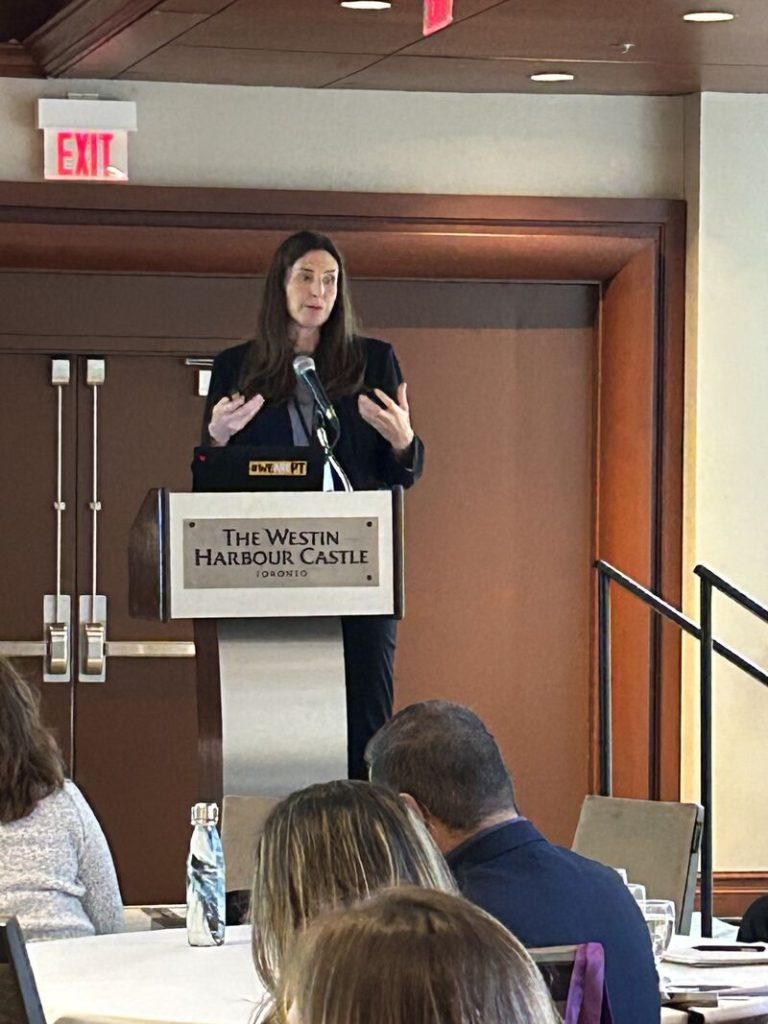
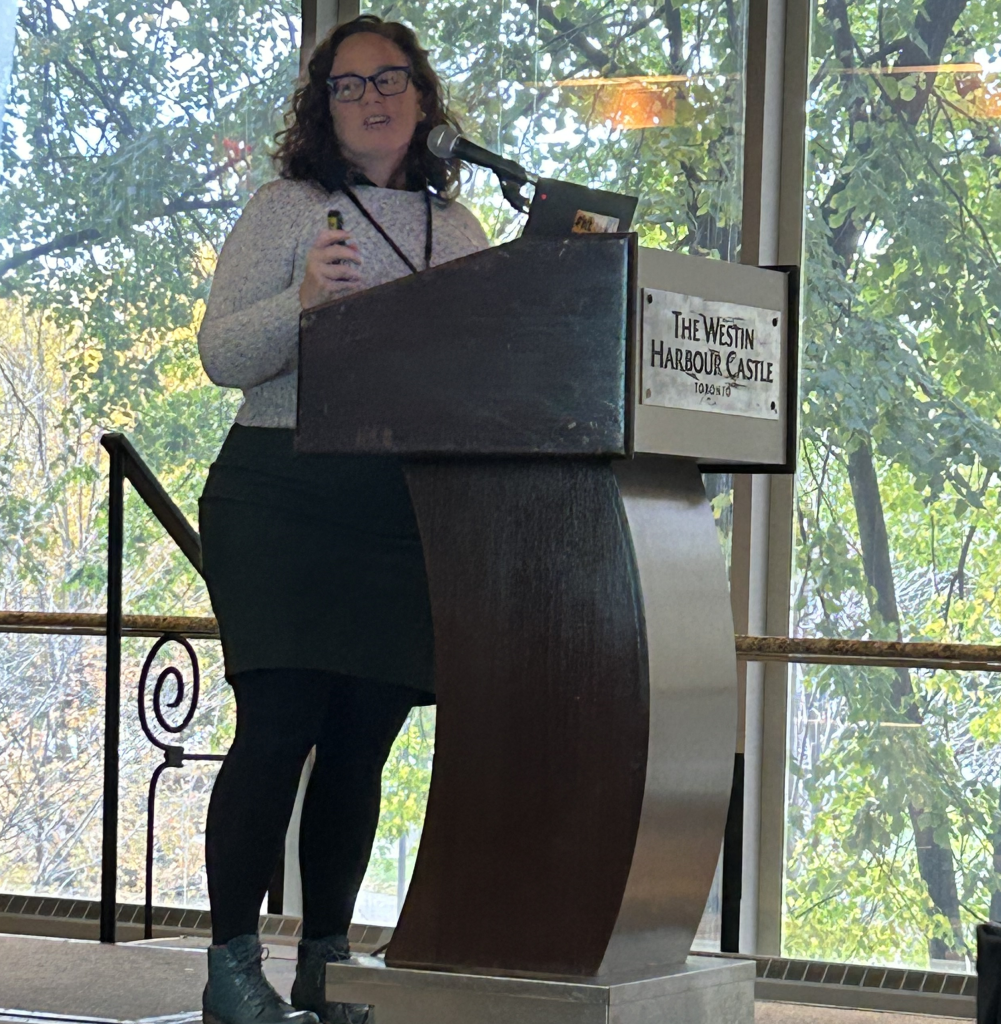
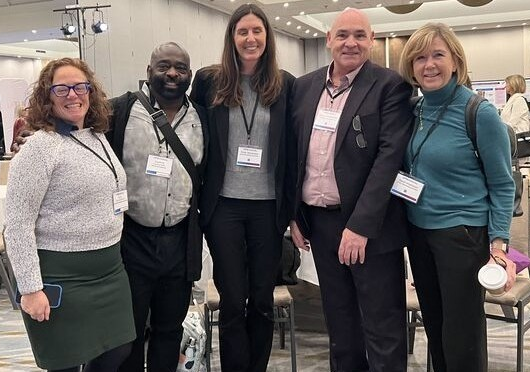
The Education Committee met on October 14, 2025, and focused its discussions on:
Planning upcoming events, including a volunteer-focused education session in 2026
InterACTION 2027 planning
Educational opportunities related to upcoming scope of practice changes
Implications of scope of practice changes for students, physiotherapists, and interprovincial mobility
Interested in Volunteering on an OPA Committee?
Volunteers make an extraordinary impact on the work and relevance of OPA to its members.
Whether it is making decisions about the Association’s strategic priorities on the Board of Directors, connecting local members as the District President, engaging politically with government and stakeholders, or keeping the Association up to date on important sector-specific topics on a committee, volunteers are invaluable.
The Primary Care Advisory Committee is made up of volunteer members who advise OPA staff and the Board of Directors on issues affecting physiotherapy in primary care settings.
This committee supports members and promotes quality physiotherapy services within primary care organizations across Ontario.
Interested in joining? We welcome new volunteer members who want to help shape the future of physiotherapy in primary care. Contact us a physiomail@opa.on.ca.
The Home Care Advisory Committee is made up of volunteer members who advise OPA staff and the Board of Directors on issues affecting physiotherapy in the home care sector.
This committee brings the voice and perspective of home care physiotherapists forward to support quality care and influence sector-wide decisions.
Interested in joining? We welcome new volunteer members who want to help shape the future of home care physiotherapy in Ontario. Contact us at physiomail@opa.on.ca.
The Hospital Advisory Committee is made up of volunteer members who advise OPA staff and the Board of Directors on issues affecting physiotherapy practice in hospitals and rehabilitation centres across Ontario.
This committee ensures that the interests and concerns of physiotherapists in these settings are heard and considered in policy decisions.
Interested in joining? We welcome new volunteer members who want to help shape the future of hospital and rehabilitation physiotherapy in Ontario. Contact us at physiomail@opa.on.ca.
The Private Practice Advisory Committee is made up of volunteer members who advise OPA staff and the Board of Directors on issues affecting private practice physiotherapy.
This committee ensures your voice is heard on policy decisions that impact your practice.
Interested in joining? We welcome new volunteer members who want to help shape the future of private practice in Ontario. Contact us at physiomail@opa.on.ca.
“My journey in the field of physiotherapy began in 1999, when I recognized how many patients were living with pain and disability without timely access to proper care,” says Venkadesan (Ven) Rajendran. “This observation motivated me to pursue a 4½-year Bachelor of Physiotherapy program at The Tamil Nadu Dr. MGR Medical University, which I completed in 2003.”
After graduating, Ven began his career working in rehabilitation settings treating patients with complex medical conditions. It didn’t take long before he identified a significant gap in care: “Within two years, I noticed that individuals with neurological conditions, especially those who had experienced a stroke, faced significant challenges in accessing specialized rehabilitation and assessments. That led me to pursue a master’s degree in advanced physiotherapy in neurology (MPT).”
Ven’s training in the MPT program deepened his expertise in neurological rehabilitation and introduced him to specialized clinical practices. “As part of the program, I gained experience conducting electromyography (EMG) and nerve conduction velocity (NCV) studies and worked closely with neurologists to triage patients with stroke and spinal injuries, bridging the gap between acute care, outpatient clinics, and community rehabilitation,” Ven explains.
Ven eventually brought this expertise to Canada. He joined Health Sciences North (HSN) in Sudbury and began conversations about the possibility of expanding physiotherapy’s role in stroke care, which the leadership team supported. “This role emerged from the unique convergence of personal vision and institutional strategy,” Ven says. Because of Ven’s efforts, Health Sciences North was the first academic hospital in Canada to implement an Advanced Practice Physiotherapist (APP) role specifically for stroke, which has allowed him to extend the boundaries of physiotherapy practice while directly addressing system-level challenges to improve patient outcomes.
Continuing Professional Development
“My professional advancement happened gradually and strategically within the same healthcare system” says Ven. He notes that continuity within Health Sciences North allowed him to build institutional knowledge, trust, and strong interprofessional relationships. Building on these foundations, Ven has continued to pursue ongoing professional development to adapt to the ever-changing Canadian healthcare landscape.
“Even after completing my PhD in Rehabilitation, I felt it was important to stay current” he explains. “I completed a one-year graduate certificate in stroke rehabilitation from the University of Alberta to better understand stroke rehab practices in Canada.”
Evolution of the Role
Over time, the APP role has grown beyond its original scope. “It started with a focus on direct clinical assessment and research, but now it includes leadership responsibilities and managing system-level triage pathways for stroke patients.”
He has also led initiatives that challenge traditional care models. One of these is the ‘MObile TIA and Stroke with AdaptiVE Workflow (MOTIVE)’ project, which utilizes an expert stroke team that tends to patients throughout every area of the hospital setting, not just in the stroke unit.
One of the most innovative aspects of our MOTIVE project involves rehabilitation triage of mild stroke patients in collaboration with stroke neurologists and other interdisciplinary members, ” Ven said. “We were able to triage patients with rehabilitation needs within hours or on the same day, which significantly reduced delays and facilitated faster discharge of patients with TIA/minor stroke.“
Advocacy and System-Level Approaches
To further support this shift, Ven has begun advocating for legislative and regulatory changes.
“I’ve had preliminary discussions with the leadership team at HSN about implementing Bill 179 for stroke care” he explains. “If adopted, physiotherapists could use diagnostic tools like X-rays, CT scans, and MRIs to identify red flags and triage patients for rehabilitation and treat them more effectively. This wouldn’t replace physicians; it would enhance system efficiency and stroke care.”
In addition to his clinical expertise, Ven brings a systems-thinking approach to his role. “I completed Lean Six Sigma Green Belt certification and gained knowledge in Implementation Science. These tools have helped me move beyond individual treatment plans and look at redesigning entire clinical workflows.”
The APP role has proven especially impactful for patients with acute stroke and TIA, where rapid decision-making can dramatically influence outcomes. “This patient group really benefits from quick triage and early discharge planning” says Ven. “By addressing initial system inefficiencies, we can reduce length of hospital stays and direct patients to the right rehab pathway once they’re medically stable.” Ven points to the MOTIVE Project as a clear example of success: “We were able to triage patients within hours or on the same day. Working collaboratively with stroke neurologists, physicians, Occupational Therapists, and Speech Language Pathologists allowed us to significantly reduce delays and support faster discharges.”
Health System Impacts
Ven has seen the significant impacts of his role within the hospital system:
“My role helps reduce hallway medicine by preventing unnecessary admissions and ensuring timely discharges. That improves patient flow, optimizes bed use, and reduces re-admissions.”
Ven believes strongly that the value of APP roles needs to be communicated in system-level terms. “There’s already strong evidence that APPs in musculoskeletal care are a cost-effective way to assess and manage patients. The same applies to stroke. Investing in APPs isn’t just about staffing, it’s an economic strategy. These roles help improve patient flow, reduce hospital admissions, and deliver advanced care at a lower cost compared to relying solely on physicians for triage.”
He emphasizes that APPs are intended to work alongside and not in place of physicians.
“It’s important for other health professionals to know that APP roles are designed to complement, not compete” Ven explains. “In stroke care, our involvement enables timely assessments and planning, so that neurologists and physicians can focus on high-acuity medical needs.”
When asked how the profession can better advocate for APP roles, Ven stresses the importance of aligning with system priorities. “Advocacy needs to go beyond individual clinical outcomes. We need to show the impact on things like ALC days, and length of hospital stays. For example, our MOTIVE project focused on reducing length of stay and readmission risk for stroke patients. If we can connect physiotherapy to government goals like improved flow and reduced wait times, we’ll have a much stronger case.”
For others looking to replicate this model, Ven offers some clear advice: “Effective advocacy for an APP role has to be tied to a specific system issue, not just professional ambition. Focus on solving inefficiencies, like long waits for specialist consults. Use quality improvement methods to measure outcomes and back up your work with data. To ensure sustainability, the role should include clinical practice, leadership, research, and education.”
Ven’s work offers a compelling example of how physiotherapists, when supported to work at full scope, can play a transformative role in patient care and health system design.
Members of the leadership team at Health Sciences North share their perspectives on the importance of the APP role:
“Allowing physiotherapists to order diagnostic tests within their professional scope can enhance patient care by minimizing delays associated with waiting for physician assessments and orders. Advanced Practice roles in internal medicine and stroke care further facilitate collaboration with stroke neurologists and physicians, thereby promoting timely and efficient triage for rehabilitation” – Lisa Zeman, Clinical Manager of Internal Medicine and Acute Stroke, Health Sciences North.
“Advanced Practice Physiotherapist (APP) play a vital role in stroke care, partnering with stroke neurologists to provide expert functional assessments and guide timely, and evidence-based rehabilitation decisions.” – Dr. Ravinder-Jeet Singh, Stroke Neurologist, Health Sciences North; Medical Director, NEO Stroke Network.
“Integrating Advanced Practice Physiotherapy (APP) into our stroke team has greatly enhanced both patient care and system performance. At Health Sciences North, we’ve seen measurable improvements in research, clinical outcomes, access to care, and interdisciplinary collaboration. Our APP has demonstrated exceptional clinical leadership and has been instrumental in strengthening the overall effectiveness of our stroke program” – Chantal Liddard, Administrative Director Medicine Program, Health Sciences North.
Are You our Next Member Spotlight?
Do you want to be featured? Are you in an innovative role? Spoken about physiotherapy in a podcast or the news? Published an article? Or represented the physiotherapy profession through advocacy?
We want to celebrate you as a physiotherapist, PT or PTA student or PTA!
Physiotherapists are essential in Primary Care Teams
OPA continues to advocate for increasing the integration of physiotherapists into primary care teams. Emily Stevenson, OPA’s Director of Practice & Policy and Amy Hondronicols, former OPA Director, presented at the Association of Family Health Teams of Ontario conference, Power of Primary Care 2025, on October 23. Emily and Amy shared the evidence for physiotherapists in team-based primary care – resulting in the right care, at the right time, by the right provider.
Emily StevensonAmy Hondronicols
The Evidence Shows:
Faster access to the right care
Less diagnostic imaging ordered
Fewer referrals to specialists (orthopedics and rheumatology)
Less sick leave
Fewer prescriptions for pharmaceuticals
Higher patient satisfaction
Low rate of follow up with Family Physician or Nurse Practitioner (<1% in the UK)
From L to R: Amy Hondronicols, Courtney Bean, Emily Stevenson, Hon. George Smitherman, Sarah Hutchison
Emily and Amy were joined by OPA’s President, Courtney Bean, and Sarah Hutchison, OPA’s CEO.
Helping Ontario reach 100% Attachment
There are currently about 90 physiotherapist positions in primary care teams in Ontario, including Family Health Teams, Community Health Centres, Nurse Practitioner-Led Clinics, and Indigenous Primary Care Teams. With Ontario’s Primary Care Action Plan to create or expand 305 teams, there is great opportunity to increase the presence of physiotherapists to support Ontario’s goal of 100% attachment to primary care.
First Contact Physiotherapy in Primary Care Teams
The evidence is there – first contact physiotherapy improves patient outcomes, family physician/nurse practitioner satisfaction and reduces red tape within the health system.
Physiotherapists are the experts in the assessment, diagnosis for all MSK concerns. With 20-30% of all visits to primary care in Ontario being musculoskeletal (MSK) concerns, physiotherapists can be the first contact, and offload visits from the family physician or nurse practitioner. It is estimated that an additional 425 patients could be attached per physiotherapist.
The Family Physician/Nurse Practitioner Perspective
88% of family physicians and nurse practitioners reported that working with a physiotherapist increased their own satisfaction in providing care. 94% reported that having a physiotherapist in the team resulted in more comprehensive care for the patients. (Toronto Community Health Centre Evaluation, 2016).
Resource for Physiotherapists in Primary Care Teams
In their presentation, Emily and Amy also shared about the development of the PT in Primary Care Competencies and Educational Modules – an initiative in partnership with Team Primary Care (Projects — Team Primary Care | Équipe de Soins Primaires). This project was led by Dr. Jordan Miller and supported by the Canadian Physiotherapy Association. It included contributions from various physiotherapy professionals across Canada.
The education modules are designed to support physiotherapists to successfully integrate into interprofessional teams in primary care. The modules are also helpful to educate interprofessional team members and team leadership/ executives – so feel free to share broadly with anyone in your local community/network!
Physiotherapy in Primary Care Teams – Improving Health Outcomes
The evidence shows that adding physiotherapists to primary care teams improves patient, provider, and system outcome in Ontario. The more we can demonstrate our value across all practice settings, the more we are able to advocate for increasing access so that everyone in Ontario has a physiotherapist across their lifespan.
“I feel encouraged about our profession and am more motivated to get back at it!” – feedback from one Physio North conference attendee
Northern Ontario District members welcomed the physiotherapy community to their district’s bi-annual conference in Timmins.
The event took place over two days, from October 3-4, and included many amazing sessions, a pre-conference course, and a chance to network with the Northern and Northwestern Ontario physiotherapy community, among others.
What a few attendees had to say about the event:
“It was truly a valuable experience for both skill development and networking opportunities. It was great connecting with so many engaged professionals.”
“Amazing coming together of the North.”
When asked what they liked most about the event, attendees shared:
“Networking with colleagues, meeting/interacting with the CEOs of the CPO and OPA”
“Networking with peers and sharing what is important to Northeastern Ontario Physiotherapists with OPA and the College”
Craig Roxborough, Registrar & CEO and Mary-Catherine Fraser Saxena, Manager, Practice Advice (CPO) both echoed there were lots of meaningful conversations, and they appreciated the opportunity to connect with PTs in the North to hear their perspectives.
Courtney Bean, OPA’s President, said he had such a great time and it really filled his bucket. He said he has some good understanding of the challenges of rural care but now realizes the amazing passion of people providing care in rural locations. He also learned a lot about care in the North…a lot more than he ever knew.
Sarah Hutchison, OPA’s CEO, gained a deeper appreciation of the challenges that rural and remote physiotherapists face and how the OPA might advocate further. She also observed that the sense of community was incredible and contagious!
From L to R: Jack Miller, PT & Pre-conference Course Instructor, Courtney Bean, PT and OPA President & Sarah Hutchison, OPA CEO
Get Involved Locally
Physio North 2025 is one example of the amazing work done by district volunteers. Thank you to Rhonda Matthews, Northern Ontario District President, and Jody Lemieux, Secretary, for making this event happen!
Regional representation at OPA through our 16 districts is invaluable. While districts may share similarities, understanding the unique populations and advocacy needs in each district contributes to OPA’s success. We encourage all members to get involved in their districts.
OPA Presents at Health Workforce Canada Connects Conference
Emily Stevenson, Director of Practice and Policy at OPA, spoke at the Health Workforce Canada Connects conference about the value physiotherapists bring to primary care teams. CPA CEO Krissy (Murphy) Bell moderated the workshop “From Silos to Synergy: Scalable, Sustainable Solutions for Team-Based Primary Care”. The session brought together an exceptional panel of leaders from across a diverse spectrum of professions, perspectives, and places in Canada to explore scalable and sustainable models for team-based primary care.
Physiotherapy Access in Primary Care Matters
Emily Stevenson highlighted how critical it is that PTs are incorporated into health human resource planning as they are essential members of team-based primary care. Physiotherapists, when incorporated, increase access and attachment to primary care, as they can assess, diagnosis and treat conditions in their scope, which increases the capacity of family physicians and other team members. Physiotherapists need to be part of every primary care team to provide the right care, at the right time, by the right person.
Roles for PTs in Primary Care
We know that PTs in primary care:
improve access to health services
work collaboratively with other providers to build more capacity in primary care teams
reduce emergency department visits
lead to better outcomes for patients
and enhance continuity of care for patients.
In 2015, OPA was one of the strong advocates leading to the addition of PTs to Family Health Teams in Ontario.
Visit OPA’s Primary Care Hub to stay up to date on all things primary care.
Presenting at national interprofessional conferences allows OPA to demonstrate the value we bring to patients and health system partners. It provides us an opportunity to connect to other health care professionals, building relationships for increased collaboration and advocacy. Thank you to CPA’s CEO, Krissy Bell, for inviting OPA to participate in this important panel discussion.
What is Health Workforce Canada?
Health Workforce Canada is a new, independent organization established by an Interim Steering Committee, supported by the Canadian Institute for Health Information (CIHI), and funded by Health Canada. It has been created in recognition of the need to bring together health workforce experts and those in the health care field to learn from each other and strengthen health workforce data and planning to help ensure health workers are there to provide the care people in Canada need.
Thank you to the Health Workforce Canada | Effectif de la santé Canada team for bringing together such an engaged community of health systems leaders and workforce planners, and for continuing to create space for collaboration and innovation.
Following our September update about the Government of Ontario’s public consultation on scope of practice changes, OPA has completed our comprehensive response to the Ministry of Health.
The consultation period closes on November 3, 2025, and we strongly encourage all physiotherapists to participate and make their voices heard. See below for how.
OPA’s Submission: Ready for Your Use
OPA has submitted a detailed response addressing all consultation questions, backed by evidence, research, and the results of our 2024 survey of Ontario physiotherapists. Members are welcome to reference, adapt, or use content from our submission in their own responses to the government consultation.
Our submission emphasizes how implementing the authority for physiotherapists to order diagnostic imaging (X-rays, CT scans, MRIs, and diagnostic ultrasounds) will:
Improve Access to Care
Reduce Healthcare System Burden
Work Within Established Quality & Safety Frameworks
Our submission includes compelling data from the 2024 OPA survey of Ontario physiotherapists who responded that:
74% experience difficulties obtaining diagnostic imaging or lab results needed for patient care
84% report that these challenges lead to delayed treatment for patients
82% have completed tests but never received the reports
62% have seen inaccurate diagnoses result from these barriers
Research from jurisdictions where physiotherapists already have this authority demonstrates:
No significant increase in overall imaging utilization
High concordance between physiotherapist and specialist physician ordering patterns
27-49% reduction in healthcare costs (systematic review)
Most Alberta physiotherapists order an average of only 22 imaging tests per year
Outstanding Authority: Laboratory Tests
This consultation focuses on diagnostic imaging. OPA will continue to advocate for the authority to order laboratory tests- the final piece of scope expansion approved under Bill 179 in 2009 that has not yet been implemented.
Three Ways to Participate Before November 3
Your voice matters. Here’s how you can support this critical scope expansion:
Use OPA’s submission: Reference or adapt content from our comprehensive response.
Submit directly to the government consultation: Visit the Ontario Regulatory Registry to provide your feedback.
Since 2009, physiotherapists have been waiting for the regulations needed to implement scope of practice changes that are already approved in legislation. Four other provinces- Alberta, Quebec, Nova Scotia, and PEI- have successfully implemented this authority for physiotherapists.
With Ontario facing:
Challenges for patients across Ontario to access care
2.5 million people without a family physician (projected to reach 4.4 million by 2026)
Increasing wait times for specialist consultations
Emergency departments overwhelmed with non-urgent visits
Implementation of these scope changes will allow physiotherapists to better serve patients, reduce system pressures, and deliver on the government’s commitment to provide “the right care in the right place.”
Timeline Reminder
Consultation closes: November 3, 2025
What happens next: Following the consultation, the Minister of Health will need to make regulation amendments (subject to Cabinet approval).
OPA remains optimistic that the government will move quickly with the needed regulation changes following this consultation period.