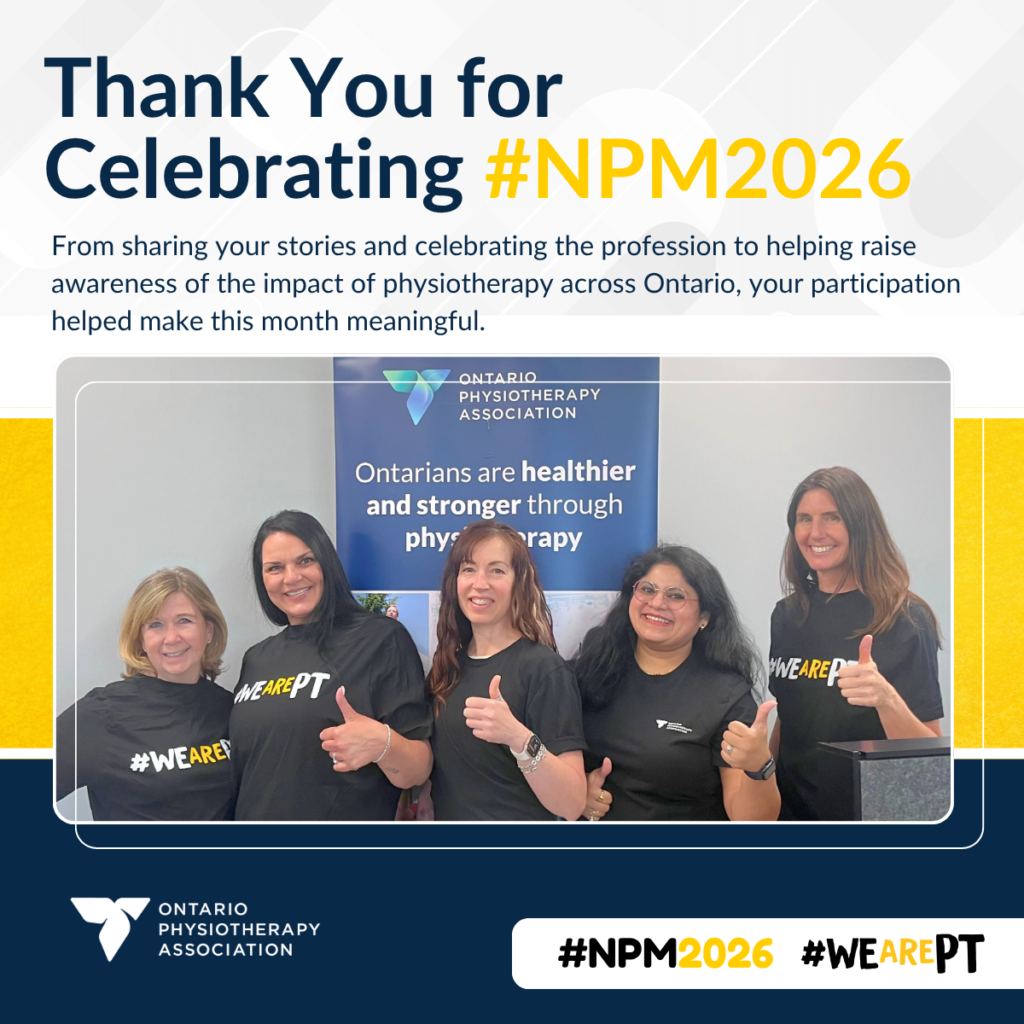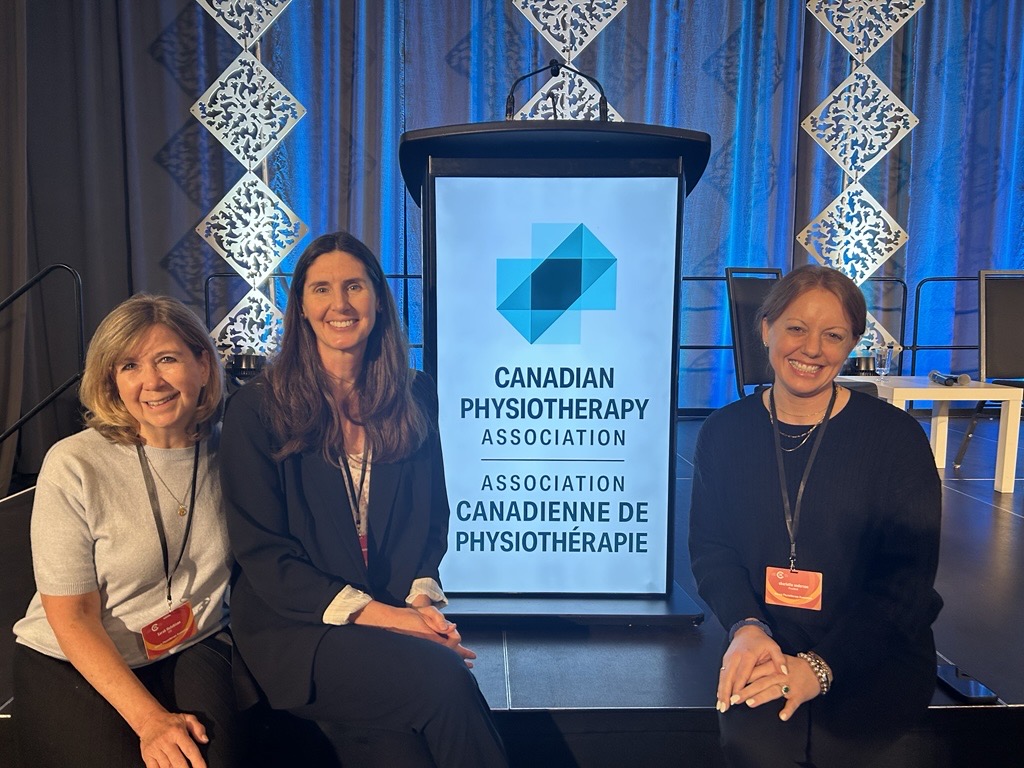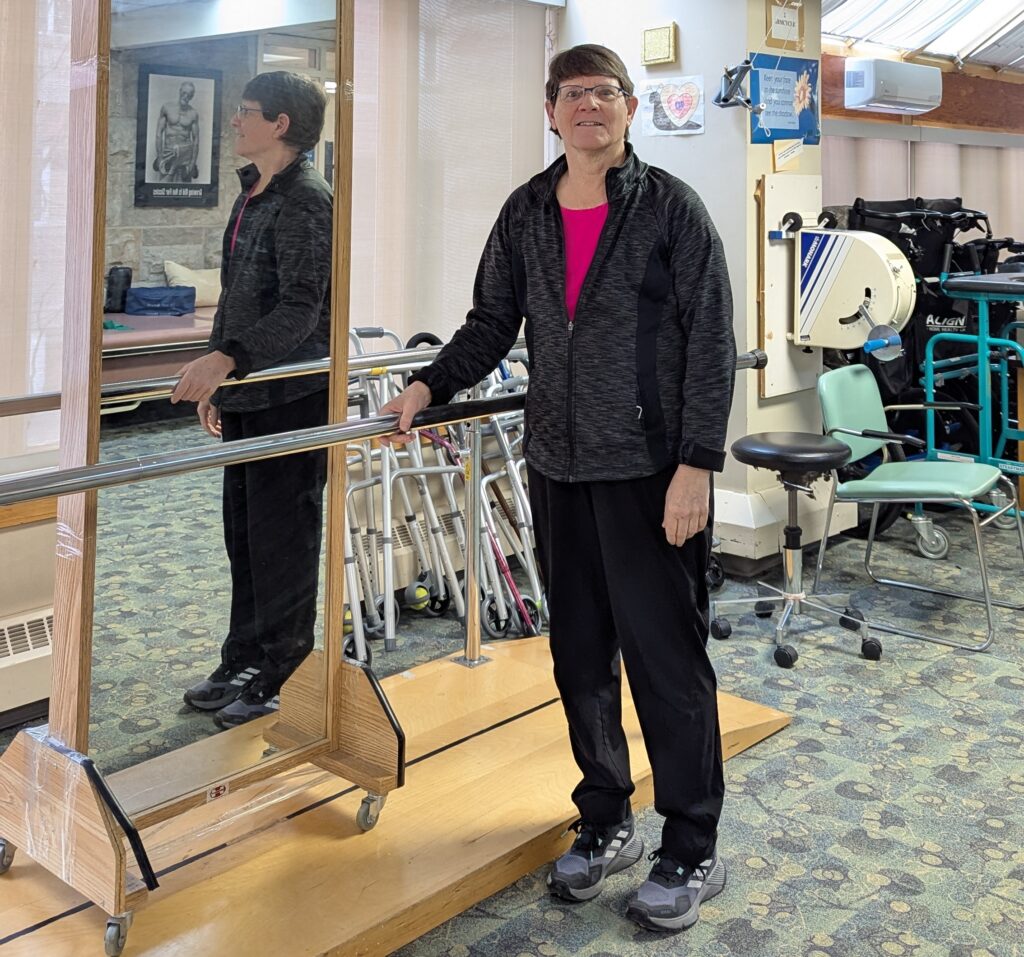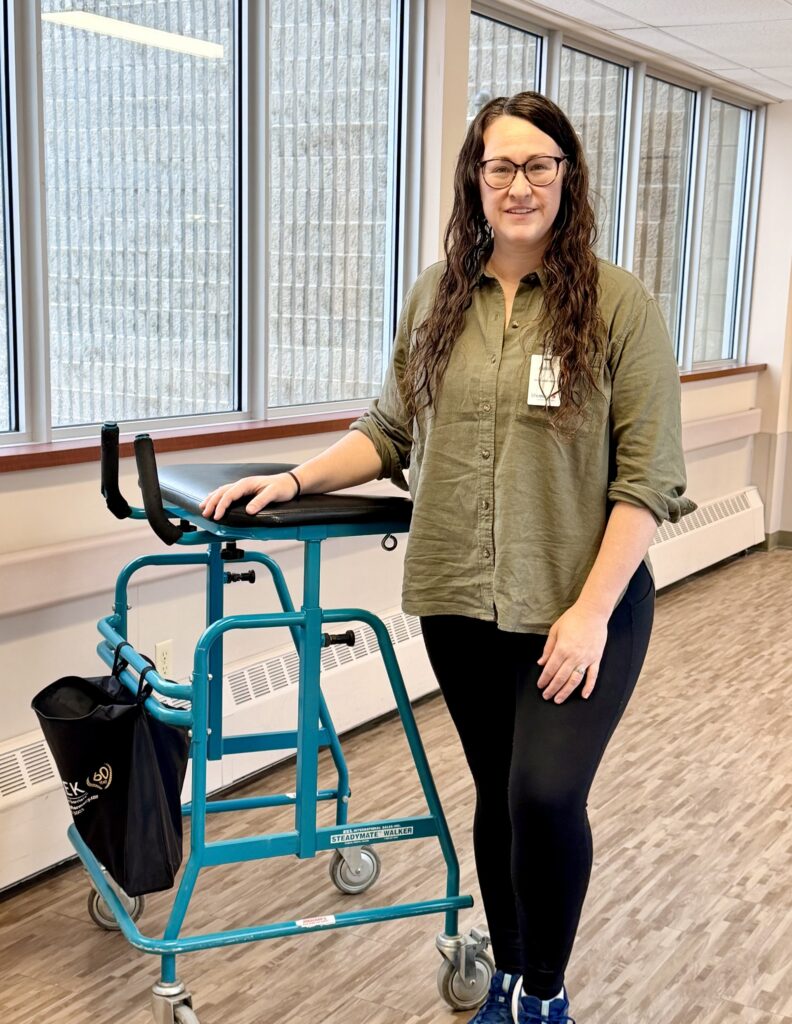
This National Volunteer Week, the Ontario Physiotherapy Association wants to take a moment to say thank you.
To every OPA volunteer who has given their time, expertise, and energy to the Association, your contributions matter deeply. You are the reason OPA is able to advocate, evolve, and remain relevant to the members and profession it serves.
What Volunteers Make Possible
OPA volunteers show up in so many ways. Whether you’re guiding the Association’s strategic direction as a member of the Board of Directors, bringing local voices to the provincial stage at the District level, engaging with government and stakeholders on behalf of the profession, or advising staff and leadership on sector-specific issues through a committee, the work you do is invaluable.
You bring more than your professional knowledge to these roles. You bring your perspective, your passion, and your commitment to a profession that improves the lives of patients across Ontario every day. It’s the shared dedication between volunteers, staff, and leadership, that makes OPA’s success possible.
Member volunteers are essential to the work and vision of OPA. They provide their experience, expertise and passion to support and strengthen the Association and the profession.
Members Advancing Physiotherapy Through Community Engagement
OPA volunteers are the living expression of what it means to be part of a member-led association. By dedicating your time to this work, you are not just supporting OPA, you are shaping the future of physiotherapy in Ontario. Your involvement ensures that the profession’s voice is heard, that decisions reflect the realities of practice across every sector and corner of the province, and that the next generation of physiotherapists inherits a stronger profession than the one before.
The impact of your service extends well beyond board tables and committee calls. It is felt in advocacy wins, in the resources available to members, in the professional development opportunities offered, and in the trust that patients and policymakers place in physiotherapy across Ontario.
OPA Volunteers Gain Immeasurably
Volunteering with OPA impacts the lives of the volunteers. They often tell us they have:
Built meaningful connections with colleagues and partners from across the province
Grown as leaders, communicators, and strategic thinkers
Gained insight into the broader health system and the profession’s place within it
Found a deeper sense of purpose and connection to the work of physiotherapy
Inspired to Get Involved?
If you’re an OPA member who has been thinking about getting involved, there is a place for you. Apply to join the Board of Directors, join one of our eight committees or participate locally with our Districts. Learn more about volunteering or reach out to us at physiomail@opa.on.ca with any questions.
After graduating from Queen’s University in 2023, Madison Ames began her career as a physiotherapist at North York General’s Finch Site Reactivation Care Centre (RCC). Her early experience involved working with a geriatric alternate level of care (ALC) population, which supported patients who had been discharged from acute care but were not yet ready to return home safely.
“Our primary goal was to enhance patients’ functional mobility and support discharge planning, whether that meant returning home with supports, transitioning to community programs, or entering long-term care.” Madison explains. Later, she transitioned to the rehabilitation unit at Finch Site RCC, treating geriatric patients with varying rehabilitation needs.
Establishing the Emergency Department Role
In March 2025, Madison took on a completely new challenge: establishing a physiotherapy presence in the Charlotte & Lewis Steinberg Emergency Department (ED) at North York General Hospital (NYGH). It was as brand new position for this hospital. “I was responsible for developing and defining the scope of the physiotherapy role within this fast-paced environment,” she says.
Unlike most physiotherapy roles in emergency departments, Madison’s work primarily targets admitted patients who remain in the ED while awaiting a bed on an inpatient unit. With patients often spending more than 24 hours in the ED due to high hospital volumes, her role is critical in preventing early deconditioning. “These patients are at significant risk of complications like pneumonia, delirium, and functional decline,” she explains. Early mobilization is essential to preserving independence and ensuring a smoother recovery.
Because the role was entirely new, Madison had to build everything from the ground up.
“Through trial and error, I established an effective workflow and clinical routine,” she says. “A critical part of this role is determining which patients are appropriate for mobilization, particularly given the medical instability and diagnostic uncertainty often present at this stage.”
When patients present to the ED, there is often limited information available about their background and overall functioning. As one of the first health professionals to assess many of these patients, Madison plays a vital role in collecting functional and social histories, often uncovering information that hadn’t yet been captured. “Families and patients have disclosed falls, cognitive concerns, or weight loss that hadn’t come up in previous conversations,” she notes. “By identifying these concerns early, I am able to relay key information to the appropriate team members and support timely interventions during hospitalization.”
The value of Madison’s role expands far beyond her assessment skills and encompasses the compassion and patient-centered approach she brings. “Even though I may have seen many patients with similar conditions, I remind myself that for the individual in front of me, this is new, frightening, and overwhelming,” she reflects. “What feels routine to me as a healthcare provider is, to them, a life-altering moment.”
Her role has been particularly impactful with geriatric patients suffering from conditions like urinary tract infections, pneumonia, delirium, and failure to cope. Madison’s role is critical in these cases, as this patient population is at risk for significant decline after only a few days of hospitalization: “A patient who walked independently at home could become unable to ambulate more than five meters after just one or two days in hospital,” she explains. Interventions such as therapeutic ambulation, supporting patients to mobilize to the washroom, transferring to a bedside chair for meals, or simply encouraging them to dangle at the edge of the bed can have a significant impact on reducing deconditioning and maintaining functional independence.
In addition to preventing deconditioning, Madison’s assessments often support complex discharge planning. She assists with stair assessments, mobility strategies for patients with complex conditions, and supports discharges directly from the ED, helping avoid unnecessary hospital admissions.
Collaborative Care and System-Wide Impacts
Madison’s role also aligns closely with system-level goals like reducing hallway medicine and improving patient flow. Collaborating with the Geriatric Emergency Management (GEM) nurses, Madison has helped streamline transfers directly to inpatient rehabilitation facilities, thereby avoiding acute admissions and ensuring patients receive the focused support they need.
“Through established relationships with several rehabilitation hospitals across the Greater Toronto Area, we have developed an efficient process to identify suitable patients [for inpatient rehab], set goals and care plans, complete applications, and successfully facilitate admissions and same-day transfers,” Madison shares. This process has been particularly impactful in reducing admissions to acute care units and reducing the associated risks.
To make a lasting impact, Madison believes it’s critical for both decision-makers and healthcare providers to recognize the value of physiotherapy and early mobilization. “Deconditioning begins within hours of immobility,” she stresses. “In just 24 to 48 hours, patients begin to lose strength, limiting their ability to perform basic functional tasks.”
Madison points out that one in five geriatric patients develops delirium after just 12 hours in the ED. “Facilitating mobility…can help maintain orientation and reduce the risk of delirium,” she says.
For other hospitals or leaders looking to replicate this model, Madison emphasizes the need to educate all staff members about the role and benefits of physiotherapists in this setting. Madison notes the equal importance of empathy and compassion in the emergency department “Patients are often in pain, unwell, anxious, or uncertain about next steps, [and] understandably, walking or mobilizing is not always something they feel ready to do.”
A Day in the NYGH Emergency Department
A typical day for Madison begins with reviewing consults and prioritizing patients. Her caseload can vary from just a few consults to over 40 in a given shift. “On high-volume days, when it is not feasible to assess every patient, I begin with a brief chart review to identify priorities,” she explains. She often prioritizes geriatric patients, those with the longest ED stay, and those at high risk of deconditioning. Detailed chart reviews, collaborative discussions with interdisciplinary team members, and care coordination are all part of Madison’s role in the emergency department. Between assessments, treatments, and documentation, Madison manages to maintain a level of flexibility, allowing her to respond to emerging needs throughout the day.
Looking ahead, Madison believes advocacy and funding roles like hers are essential to transforming patient care.
“Having a physiotherapist embedded in the ED… helps reduce the risk of deconditioning,” she says. “Patients are mobilized sooner; their mobility status recommendations are clearly documented, and unit physiotherapists receive patients with a more complete understanding of their functional baseline and discharge plan.”
Are You our Next Member Spotlight?
Do you want to be featured? Are you in an innovative role? Spoken about physiotherapy in a podcast or the news? Published an article? Or represented the physiotherapy profession through advocacy?
We want to celebrate you as a physiotherapist, PT or PTA student or PTA!

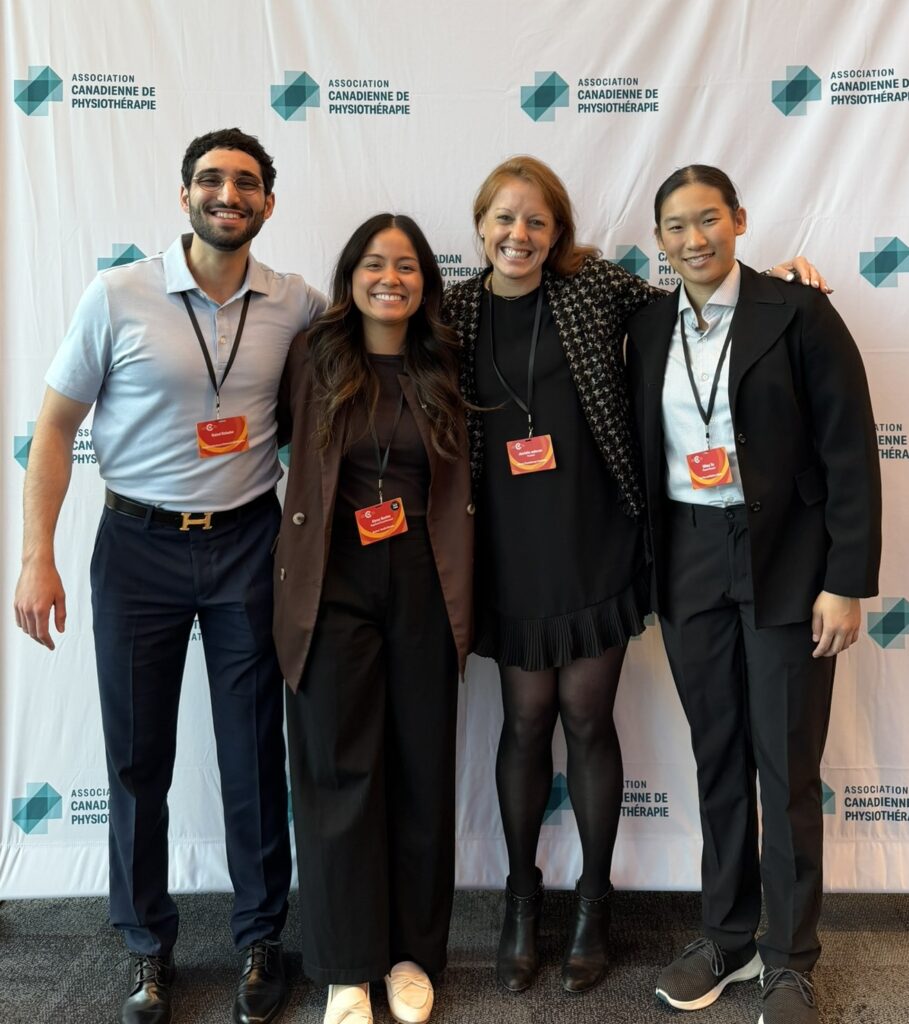
OPA is excited to celebrate the Ontario winners of the CPA Awards!
Helen Johnson – Life Membership Award
This award is presented to current or former CPA members who have contributed to the growth of the profession through at least 25 years of service at local and/or national levels.
Helen Johnson has been an active volunteer with the Ontario Physiotherapy Association for many years. She was the District President for the Windsor District, was a volunteer, and has presented multiple times at our conference, InterACTION. She also volunteered on our committees and Board of Directors, and contributed her voice to OPA’s advocacy.
Helen is also the 2006 recipient of the Professional Contribution – External, OPA Award.
Parag Shah – Clinical Education Award
Congratulations to Parag Shah, an Ontario member, for winning the Clinical Education Award. This award is presented to a member who has made outstanding contributions to the clinical education of physiotherapy students.
Alyssa Benitez – H. S. Rahikka Student Leadership Award
Alyssa Benitez is the Co-President of the Central Toronto District of OPA. We are excited to see her recognized nationally for her leadership skills! Congratulations Alyssa!
Iris Wang – H. S. Rahikka Student Leadership Award
The Helen Saarinen Rahikka Student Leadership Award is presented to a student member who has demonstrated leadership and made outstanding contributions to the promotion of the profession. Iris has participated in Ontario activities including joining us at InterACTION 2024 and acting as a voting delegate for OPA’s Annual General Meeting in 2025. Congratulations Iris!
Sarah Arulchelvam is a new to practice physiotherapist making impactful strides in a unique and evolving role in an Emergency Department (ED). With a passion for acute care and a flexible, team-based approach, she is helping to push the boundaries of physiotherapy practice in Ontario.
“I graduated from McMaster University’s physiotherapy program in August 2024, so I still consider myself a relatively new graduate,” Sarah explains. “After completing the program, I was drawn to the acute care setting because of the fast-paced, collaborative nature of the hospital environment.”
Sarah began her career at Michael Garron Hospital, a community hospital in Toronto, where she primarily worked in oncology and geriatrics. Her interest, however, in exploring different practice areas and settings developed early on.
“During school, I became aware of physiotherapy in the Emergency Department as an emerging role, though full-time opportunities were quite limited at the time,” she says. “So, when a position opened in the ED at Markham Stouffville Hospital, I was excited to take the opportunity and make that transition. I’m still new in this position and continue to learn and grow within the role, but it’s been a rewarding experience so far.”
Pushing Scope and Supporting Flow
Working in the Emergency Department requires adaptability and interdisciplinary collaboration. “In the ED, the dynamic and resource-limited environment often calls for physiotherapists to extend their role beyond traditional boundaries, always within safe, ethical, and team-based frameworks,” says Sarah.
“As the consistent allied health provider on the floor, I frequently take on tasks that support patient care and flow.”
Sarah often assists with occupational therapy responsibilities, such as equipment recommendations, activities of daily living (ADL) assessments, and basic cognitive screenings. She also initiates referrals to community services and contributes to discharge planning, all of which are roles that are not traditionally part of physiotherapy but are essential in this setting.
“I believe this kind of interdisciplinary flexibility is necessary in today’s emergency care settings and reflects how the physiotherapy role is evolving in acute environments like the ED.”
A Generalist Approach for Complex Care
Rather than narrowing her focus early, Sarah chose a broad clinical approach to meet the unpredictable needs of the ED. “As a new graduate, I bring current, evidence-based knowledge across all major areas of physiotherapy, including musculoskeletal (MSK), neurological, and cardiorespiratory,” she says. “I’ve embraced a generalist approach, which has been a real strength in the ED.”
This approach allows her to perform MSK special tests, vertigo assessments like the Dix-Hallpike, and assist in patient flow coordination. While some of these assessments are atypical for a hospital setting, they are critical for providing thorough assessments and optimal care.
Sarah also works closely with geriatric nurse practitioners to create discharge plans for non-admit older adults. She balances short-term supports with long-term planning, such as initiating long-term care applications or retirement home referrals.
Impact on Patient Outcomes and System Goals
The physiotherapy role in the ED is particularly impactful for non-admit patients such as those who receive care without being formally admitted. “A significant portion of these individuals are older adults who present with issues such as falls, pain, or difficulty coping at home,” Sarah explains.
“While they may not require hospital admission, their needs still warrant timely assessment and intervention.”
By optimizing mobility, supporting pain management, and contributing to discharge planning, Sarah helps prevent unnecessary admissions and ensures safe transitions back to the community.
“Although still early in my time in this role, I’ve seen firsthand how early physiotherapy involvement can support better patient flow and lead to more appropriate, timely discharges.”
She also emphasizes the importance of early mobilization in reducing deconditioning and contributing to shorter ED stays, especially for high-risk or geriatric patients.
Policy, Advocacy, and Education
Sarah believes that for system-level goals like reducing hallway medicine and readmissions, physiotherapists must be engaged from the outset. “Many government-funded clinical pathways are designed with the expectation of short hospital stays,” she explains. “To meet these timelines, system-level decision-makers must recognize that discharge planning begins the moment a patient is admitted.”
She urges policymakers to appreciate how early physiotherapy assessment can coordinate care and prevent complications.
“Early mobilization not only prevents deconditioning and reduces complications but also serves as a cost-saving strategy.”
More research is needed, particularly in Canada, to highlight the value of physiotherapy and early mobilization in EDs, she adds.
Sarah also wants fellow physiotherapists and health professionals to understand the unique demands of ED practice. “The ED is a dynamic and unpredictable environment. ED physiotherapists must be highly flexible. In addition to managing patients in the ED, we often function as float physiotherapists, assisting colleagues on inpatient units when needed.”
A Day in the Life
“A typical day for me as an emergency department (ED) physiotherapist runs from 9 am to 7 pm, and no two days are ever quite the same,” says Sarah. “The work is dynamic and often unpredictable. It requires flexibility, communication, and frequent coordination with various members of the healthcare team.”
Sarah begins by reviewing the ED patient count, focusing on non-admitted patients. She often collaborates with the geriatric emergency management (GEM) nurse practitioner and works with the Access and Flow team to identify patients who may benefit from physiotherapy.
After chart reviews, she typically sees patients in blocks of two or three, checking with bedside nurses first and often hunting down essential equipment. “ED mobility aids like two-wheeled walkers and canes tend to go missing due to fast patient turnover, so I frequently search the department or even other units,” she explains.
Assessments may require creativity and often involve adapting to the available physical environment and maintaining ongoing communication with physicians, occupational therapists, and flow coordinators to ensure a safe discharge.
“Since the ED is constantly evolving, I regularly check for PT referrals throughout the day. New patients are always arriving or being flagged for discharge, so it’s important to stay on top of the caseload daily.”
She also supports other departments when the ED is quieter. “Ultimately, working in the ED requires not only clinical expertise but also strong collaboration, creativity, and a proactive mindset to support patient flow, safety, and quality care under high-pressure conditions.”
Sarah’s experience highlights not only the evolving scope of physiotherapy but also the profession’s vital contribution to system-wide healthcare goals. Her story offers inspiration and insight for other physiotherapists, whether they are new graduates or seasoned clinicians. It’s a compelling case for why more ED-based physiotherapy roles are deserving of increased funding and support.
Are You our Next Member Spotlight?
Do you want to be featured? Are you in an innovative role? Spoken about physiotherapy in a podcast or the news? Published an article? Or represented the physiotherapy profession through advocacy?
We want to celebrate you as a physiotherapist, PT or PTA student or PTA!
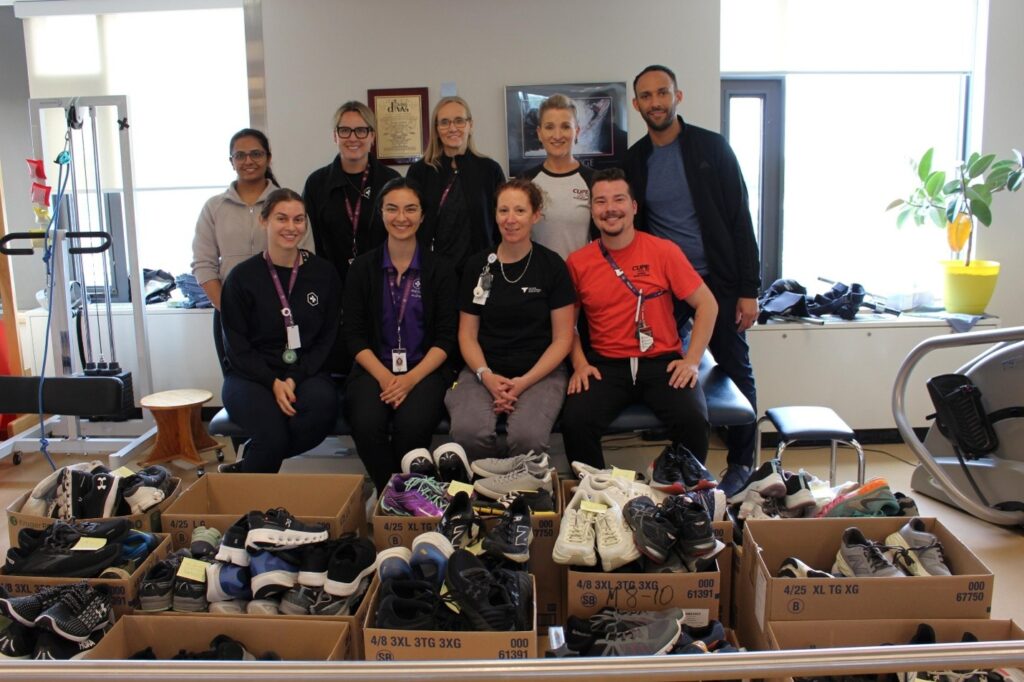
The Government of Ontario invites workers, organizations, businesses and communities to share what matters most to inform the 2026 Ontario budget.
OPA submitted a response to the annual budget consultation. Our response illustrates how physiotherapists can contribute to building a ‘more competitive, resilient and self-reliant province”, part of the government’s plan to protect Ontario.
Our 2026-2027 pre-budget submission focusses on attainable, impactful investments that will support the government in achieving the goal to increase capacity in Ontario’s health care system. The priorities are:
Provide required resourcing of physiotherapy positions in primary care, home and community care, and long-term care to bring compensation in line with the hospital sector.
Strengthen the Community Physiotherapy Clinic program as a strategy to support primary care access and to support seniors living in the community.
Address the health human resource crisis and improve access to care by enabling physiotherapists in Ontario to practice to full scope of practice.
Part of Our Continued Advocacy
The priorities outlined are informed by conversations, meetings, and surveys across various sectors throughout the year. OPA consults with members and health care leaders, including our advisory committees, Board of Directors and Districts. These conversations and information have been critical to identify the priorities of OPA’s 2026 Pre-Budget Submission.
More About What OPA Wants on Behalf of PTs and Patients
PHYSIOTHERAPY COMPENSATION EQUALIZATION ACROSS PUBLIC SECTOR
Physiotherapists have an essential role in delivering care in the community whether as part of a primary care team, at a patient’s place of residence, or in a long-term care facility. Access to care in each of these settings is critical to keeping Ontarians healthy, mobile and contributing to their communities and the economy. The challenge is that recruitment and retention in these positions is near impossible when the compensation is well below that of hospitals. To offset more costly institutional care, sufficient funding in the primary care, home care, and long-term care is essential to support health human resource needs long term.
STRENGTHENING THE COMMUNITY PHYSIOTHERAPY (CPC) PROGRAM
The Community Physiotherapy Program (CPC) is a well-established program which has been providing access to essential physiotherapy care for over 10 years. This program partners with over 200 community clinics and outpatient hospital facilities to deliver physiotherapy services. Unfortunately, continuation of the CPC program is becoming increasingly precarious, as the funding model has not kept pace with increasing operating costs. Episode of Care (EOC) funding has increased by only 7% since inception of the program; from $312 in 2013 to $334.38 in 2025. Without access to this care, individuals are put at risk for chronic pain, limited function, and delayed return to work. This is not a risk we can afford. The bottom line is that insufficient government funding of the CPC program is creating a significant exposure of risk to Ontarians.
ENABLING PHYSIOTHERAPISTS’ SCOPE OF PRACTICE IMPLEMENTATION
For physiotherapists, expanding scope to include diagnostic imaging and laboratory testing was included in changes to the Physiotherapy Act in 2009, as approved by the legislature. However, still today, the Ministry has not yet implemented the regulatory changes required to enact these changes.
The result? Where once a leader, there are now four provinces who have surpassed Ontario with implementing scope changes, including Alberta, Quebec, PEI and Nova Scotia. Ontarians continue to deal with “circular referrals” where they must return to their family physician (or worse yet, the Emergency Department or Walk in Clinics) for referrals for diagnostic imaging, when it is already within scope of physiotherapists.
As the government looks to attach two million people to primary care by 2029, expanding the scope of physiotherapists to include diagnostic imaging, will not only relieve the burden on family doctors – it will promote earlier diagnosis, earlier intervention, reduced system costs and promote better health outcomes. Expansion of scope will optimize any current and future investments in the community. The province cannot afford to wait any longer to enact this opportunity.
OPA’s advocacy work is ongoing, and our Pre-Budget Submission is one example of what we continue to do to advocate for our members.
All Sectors are Affected
Our recommendations affect the physiotherapy community in all practice areas. Whether it’s increasing compensation in primary care, home care, and long-term care, increasing funding for the Community Physiotherapy Clinic program, or enabling the implementation of physiotherapists’ full scope of practice, all members are impacted and would benefit from our suggested solutions.
What’s Next
We look forward to working with the government to implement these solutions. We will be looking for these commitments in this year’s budget, which is usually released in March.
Why You Should Consider Applying for OPA’s Board of Directors
Board Directors’ contributions to OPA are invaluable. They devote time, passion, and energy to guide the Association and the members OPA serves. At least five times a year, they gather to consider what OPA has accomplished, what is happening in the environment, and where to go next. They are actively engaged with OPA’s districts and committees to understand the priorities and issues of the profession.
Benefits to Being on the Board
What may not be highlighted as often are the benefits to Board Directors personally and professionally in taking on this role. We see and hear every year how much Board members learn, grow, and get more connected by participating on the Board. Directors often run for additional terms, which means they can volunteer for a total of six years. And they choose to do so!
Board Directors’ Impact
Collectively, the Board takes a global approach to planning, ensuring that all sectors and areas of the province across physiotherapists’ career span are included. They also evaluate environmental factors and consider both long-term and short-term planning. For example, advocacy for full scope of practice implementation has been relentless and ongoing for years. However, the pandemic led to a shift in priorities so that members had the support and advocacy they needed at that time.
Every Director Brings an Important Perspective
Every Board member’s contributions as individual PTs benefits all members. From highlighting nuances in rural and remote areas, to considering the different experiences of internationally educated PTs, the diversity of our Board members is critical for leading and shaping a well-rounded plan each year. Every year, new perspectives are incorporated from new Directors, and the Association grows in their collective knowledge! Maybe there’s an issue that only you have thought about that might impact physiotherapists in the future?
Reach out to Current Directors and OPA Staff
Past and current Directors may have initially doubted their qualifications or readiness. Or they may have wondered about the benefits of taking on this role. Some spoke to existing Board members or reached out to OPA staff to find out more before applying. These options exist for you as well!
We want you to consider how you would make a difference and what you would gain from the experience. We know that each and every one of you has something to contribute.
About Board Nominations for 2026
In keeping with our commitment to equity, diversity and inclusion, the Ontario Physiotherapy Association strives for a Board of Directors representative of its membership across the province and inclusive of diverse voices, practice experiences, and perspectives.
All interested candidates are encouraged to apply. OPA is seeking individuals who bring their experience in rural and remote communities and/or work in public sector roles (hospital, primary care, home & community).
More about the Role of the OPA Board of Directors
The Board serves as the decision-making body providing strategic direction and oversight for the Association. Board meetings are held both in-person and virtually.
Four Director Positions Open for Election in 2026
The OPA Governance Committee is seeking candidates for four Directors. The election will be held at the 2026 Ontario Physiotherapy Association’s Annual General Meeting (AGM) on April 30, 2026 virtually.
As per OPA Bylaws, no nominations from the floor at the AGM can be accepted. Therefore, those interested in being on the Board must submit their completed applications by Friday, February 27, 2026.
Only OPA physiotherapist members are eligible to serve on the Board of Directors.
Help Shape Fair Compensation for Ontario Physiotherapists
The Ontario Physiotherapy Association is launching our 2026 compensation and fee surveys to ensure physiotherapist earnings across all sectors reflect the true value and scope of the profession. Our last comprehensive surveys were conducted in 2022, and a lot has changed in healthcare and the broader business landscape since then.
Your input directly impacts fee negotiations with the Ministry of Health, private insurers, WSIB, and auto sector stakeholders. The more responses we receive, the stronger and more representative our market research becomes. It takes just a few minutes of your time.
Why Your Input is Critical
These surveys gather an accurate picture of what physiotherapists earn and charge across hospital, private practice, home care, primary care, and long-term care sectors. This data informs our Fee Guidelines and strengthens our advocacy with government and industry partners. It is the foundation for demonstrating the real value physiotherapists bring to Ontario’s healthcare system.
Bonus: Your Feedback on the Ontario Physiotherapy Association
We have also included questions about OPA membership in these surveys, open to OPA members and non-members. With this feedback, we ensure that the Association delivers real value to all physiotherapy professionals in Ontario.
This survey is now closed. Thank you to all who participated.
Brian Pearce is a Registered Physiotherapist at Parkdale Queen West Community Health Centre in downtown Toronto. With 11 years of experience as a physiotherapist, Brian has worked in private outpatient orthopedics and hospital settings, with the most recent seven years spent working in primary care.
Team-Based Care and Scope Optimization
Brian’s move into primary care was motivated by a desire to practice within a more integrated model of care. In private practice settings, he notes, physiotherapists often work with limited clinical information about the patient. Working within a primary care team enables shared access to medical records, including medical histories, medication lists, diagnostic imaging and laboratory reports, and hospital and specialist consult notes. All of these medical reports help to inform assessment, diagnosis and management.
“You’re not privy to a lot of information when you see a patient in private practice,” Brian explains. “It’s really interesting to have the opportunity to work within a primary care team where you have all this information at your disposal.”
This access promotes real collaboration within the team and enables a broader role for physiotherapists who contribute to comprehensive care planning and management of patients.
Brian says that working in the same location as other primary care providers has allowed him to develop a strong sense of trust with his team members. “A lot of times it’s just having those informal water cooler conversations about a patient that we’re co-managing. Often it’s through those informal discussions that other providers really understand your thought processes and competencies as a clinician.
Those conversations have led to the creation of a medical directive for Brian to order x-rays and ultrasounds which has been in place for three years. Brian’s physician colleagues would like to see an even broader scope of practice for physiotherapy, including joint injections. Brian notes that having medical directives in place promotes all around efficiency – for both the patient and providers.
Musculoskeletal Care and First Contact
Brian indicates that most of the care he provides is orthopedics, however, he identifies the common overlap with chronic disease management. He identifies, for example, the connection between metabolic diseases including obesity, dyslipidemia, hypertension, type 2 diabetes, and osteoarthritis and tendinopathy. In his role he works to support the client holistically.
When a client accesses physiotherapy directly (ie. a first contact role), Brian observes that patients don’t see their family physician or nurse practitioner as often for that condition. He notes about his physician colleagues: “A lot of times in one visit they’re dealing with five or more different problems that their patients are coming in for. They have a chronic COPD exacerbation and then they’re talking about their diabetes and then somewhere during their visit they bring up their back pain and knee pain or maybe they’ve got polyarthritis in their hands. So, if I’m able to take on a more central role in managing our client’s MSK concerns, I’m pleased to help take that burden off the shoulders of our GP and NP colleagues.”
Brian has expanded his role in primary care even further by completing his training with the Advanced Clinical Practitioner in Arthritis Care (ACPAC) program. The ACPAC program provides post-licensure training for health care professionals to independently assess, diagnose, triage, and manage rheumatic and musculoskeletal diseases. Brian tells the story of a patient who he suspected had rheumatoid arthritis. “Through the training I received with the ACPAC program we were able to order the appropriate blood work and diagnostic imaging studies which indicated that inflammatory arthritis was high on the list of differential diagnoses. As a result, this client was seen by the Rheumatology team at St. Michael’s Hospital within 3 weeks where he was formally diagnosed with rheumatoid arthritis.
Care Across the Lifespan
Primary care is fundamentally oriented toward continuity says Brian “I think of what primary care is, and its longitudinal care over the lifespan,” he says. Patients may be followed for extended periods, particularly those managing chronic pain, functional decline, or complex health conditions which provides a unique opportunity for patient support.
This long-term focus helps redefine expectations around physiotherapy outcomes. “Any real physical change someone would demonstrate through exercise or other interventions…you’re going to appreciate that more over a longer time frame,” Brian notes. He explains that for chronic disease management, a consultative model, with check ins every 2 to 3 months, can be helpful for longer term support.
Physiotherapy Service Model
Brian reports that he typically sees 7 to 10 patients in a day, depending on the number of assessments and follow ups in a day. Although there is no set number of sessions per patient, Brian must balance the demand for service. He accomplishes this by focusing on active rehabilitation strategies, with a strong focus on patient education and self-management. This model allows for the right amount of care to be provided according to the presenting problem. Some patients require more, some less, but on average patients are seen for 4 to 5 physiotherapy sessions in Toronto area Community Health Centres. For Brian, impact is measured by whether physiotherapy supports his patients in managing their health more effectively over time.
The Time is Now
The Ontario government is currently making significant investments in expanding team-based primary care through the Primary Care Action Team. Brian’s work illustrates how physiotherapists are essential to promote access to effective and efficient primary care for the management of musculoskeletal conditions. Full implementation of physiotherapy scope will only contribute to improved patient access, faster diagnosis and improved health outcomes.
For more information about physiotherapy in primary care, please see:
Do you want to be featured? Are you in an innovative role? Spoken about physiotherapy in a podcast or the news? Published an article? Or represented the physiotherapy profession through advocacy?
We want to celebrate you as a physiotherapist, PT or PTA student or PTA!
As we move into 2026, we share an extraordinary degree of optimism for the physiotherapy profession. We believe it will be recognized and valued even more for the impact we have on function, health, and well-being.
Physiotherapy helps people across their lifespan, wherever they access health care in the system.
Our mission at OPA is clear. We are here to Support our members through advocacy, professional development, and career support. We Influence and shape decisions that affect the profession. We Empower our members to provide the utmost in safe and high-quality care to all people and communities we serve.
As your provincial professional association, we recognize both the honour and the importance of representing your voice. Working with the Ontario government and key decision-makers, we represent you on the issues that matter most to you. Our focus is on the policies, funding decisions, and structures that affect your work every day and your patients.
As we head into the New Year, we are set on achieving progress in the following areas:
A Thriving Workforce and Practice Settings Our priorities include:
Continuing our efforts to advance scope implementation
Supporting the development and appropriate funding of physiotherapists in first contact primary care roles
Advancing the Community Physiotherapy Clinic program in 2026 with a focus on program awareness, expansion and appropriate compensation
Refining our 2026 OPA Fee Guideline with sector-specific information
Working with FRSA (Financial Services Regulatory Authority of Ontario) and the Ministry of Finance to make long-overdue compensation changes
Health System Transformation
We are supporting physiotherapists and their teams by:
Promoting interprofessional team-based care
Advancing physiotherapists’ participation in health system transformation with a focus on Home and Community Care and Long-Term Care
Making it easier to deliver informed patient care by gaining access to provincial digital assets (Diagnostic Imaging Repository, OLIS – Ontario Laboratories Information Systems)
Our Membership
We are most successful with your involvement and partnership. This is why OPA listens to and engages students, new graduates, PTAs, and physiotherapists throughout their careers. Our volunteers on committees, district executives and our Board of Directors make sure our work is relevant and positively impactful. We couldn’t do this without you.
Transparent and Inclusive
The processes and supports we develop matter. We continue to make them more accessible, inclusive, and transparent. We celebrate our wins, share progress with our members regularly and invite you to participate at any time.
As we move into 2026 and our bold initiatives, reflecting on the successes of 2025 provides us with confidence and a roadmap for moving forward. Thank you for your support and confidence in us – together, we can accomplish so much more!
OPA’s President, Courtney Bean, reflects on key wins for 2025.
He celebrates the strength of Ontario’s physiotherapy community, thanks volunteers, and all the physiotherapists, physiotherapist assistants and student members for their contributions. Courtney also acknowledges the many connections OPA maintains with health care leadership, other associations and organizations that help drive our advocacy initiatives forward.
Watch his video now!
Happy Holidays to all and we look forward to an exciting 2026!