skip to content

A Reimbursement Framework Frozen in 2014

An Open Letter to the Financial Services Regulatory Authority (FSRA) and the Honourable Peter Bethlenfalvy, Minister of Finance

We recognize the Financial Services Regulatory Authority of Ontario’s (FSRA) role as the regulator of Ontario’s automobile insurance system and its responsibility for overseeing insurers, health service providers, and the delivery of care to injured persons. As the regulator responsible for maintaining a fair, effective, and sustainable automobile insurance framework, we believe FSRA has not fulfilled its responsibility to ensure that reimbursement under the Professional Services Guideline (PSG) reflects the realities of delivering regulated health care in Ontario.

Physiotherapist Reimbursement Rates Unchanged Since 2014

While physiotherapist reimbursement rates under the Professional Services Guideline have remained unchanged since 2014, Ontario’s five largest automobile insurance groups received approved premium increases averaging approximately 42% between 2018 and 2026, with total company-specific increases ranging from approximately 35% to more than 60%.1 At the same time, the 2016 automobile insurance reforms substantially reduced accident benefit coverage, including lowering medical and rehabilitation funding limits from $2 million to $1 million for catastrophic impairments and from $100,000 to $65,000 for non-catastrophic injuries. As a result of premium increases, stagnant reimbursement rates, and reduced funding, people in Ontario are paying significantly more for less, and physiotherapists are stretched thin as they work to provide high-quality care with outdated funding.

Report Shows Increasing Disparity Between Cost of Care and PSG Reimbursement Rate

The disconnect between reimbursement and the actual cost of care has become increasingly pronounced. The Ontario Physiotherapy Association’s 2026 Ontario Physiotherapy Market Fee Report found that the average fee for a 60-minute physiotherapy assessment or treatment in Ontario is $148.00.2 By comparison, the Professional Services Guideline continues to reimburse a maximum of $99.75 per hour for non-catastrophic impairments and $119.92 per hour for catastrophic impairments; rates established in 2014 and never updated.

Physiotherapists are expected to deliver high-quality, evidence-informed care within a funding model that no longer reflects the realities of operating a modern health care practice. Clinics are paying 2026 wages, rent, professional liability insurance, technology costs, regulatory expenses, and increasing administrative costs while reimbursement remains at 2014 levels. There is a limit to how long providers can be expected to do more with less.

Access to Care Challenges Increases Health System Burden

As financial pressures continue to mount, physiotherapists are increasingly challenged to participate in Ontario’s automobile insurance system, making access to care more difficult for injured people living in Ontario. Restricting rehabilitation funding does not reduce overall costs, it simply shifts those costs elsewhere in the health care system. Injured individuals may require additional visits to family physicians, walk-in clinics, emergency departments, and other publicly funded services to manage conditions that could have been addressed through timely access to physiotherapy. Delayed recovery may also contribute to longer periods away from work, prolonged disability, increased reliance on public and private supports, and poorer quality of life.

For more than two decades, Ontario’s automobile insurance reforms have increasingly relied on reducing rehabilitation funding through benefit caps and constrained reimbursement. After years of these policies, it is reasonable to ask whether they have achieved their intended objectives. Have they improved recovery outcomes? Reduced long-term disability? Shortened time away from work? Reduced litigation? Lowered insurance premiums for people living in Ontario? These are fundamental public policy questions that deserve transparent evaluation.

Ontario’s automobile insurance system should prioritize timely access to rehabilitation because evidence consistently demonstrates that early intervention improves recovery, supports return to work, and reduces the long-term impact of injury. Instead, the current reimbursement framework is moving in the opposite direction. It is time to bring physiotherapy reimbursement in line with today’s economic realities and with comparable standards across Canada.

The Ontario Physiotherapy Association calls on FSRA and the Ministry of Finance to:

  • Increase physiotherapist reimbursement rates under the Professional Services Guideline to reflect the actual cost of delivering care;
  • Establish a transparent and predictable process for regularly reviewing and updating reimbursement rates so they keep pace with inflation and economic conditions; and
  • Publicly release the outcome of FSRA’s review of the Professional Services Guideline and implement its recommendations without further delay.

Restore Fair and Sustainable Reimbursement Rates in PSG

Ontario’s physiotherapists remain committed to helping injured people recover, return to work, and resume their daily lives following injury. However, a sustainable rehabilitation system requires reimbursement that reflects the cost of delivering evidence-informed care.

Ontario’s automobile insurance system should not ask injured people to accept reduced benefits, providers to absorb rising costs, and consumers to pay higher premiums. Updating the Professional Services Guideline is an essential step toward restoring a fair, sustainable, and effective accident benefits system. A reimbursement framework frozen in 2014 cannot meet the needs of Ontario in 2026.

Help us Advocate. Take Action Today.

There are two ways you can help us advocate for fairer reimbursement rates for physiotherapists:

  1. Sign OPA’s petition.
  1. Write to Mr. Glen Padassery, Executive Vice President, Policy and Auto/Insurance Products, FSRA, and Honourable Peter Bethlenfalvy, Minister of Finance. Simply read the letter on our website, add your name and email, and press send.

Footnotes

  1. Unweighted average of approved premium increase calculated across Ontario’s five largest automobile insurance groups (Intact, Aviva, TD Insurance, Desjardins, and Co-operators) and their subsidiaries using approved Ontario private passenger automobile insurance rate filings from 2018–2026. https://autorateapprovals.fsrao.ca/
  2. Ontario Physiotherapy Association. Ontario Physiotherapy Compensation and Fee Report: 2026. Ontario Physiotherapy Association, April 9, 2026.
Member Spotlight: Ashley’s Journey as a Long-Term Care Physiotherapist  

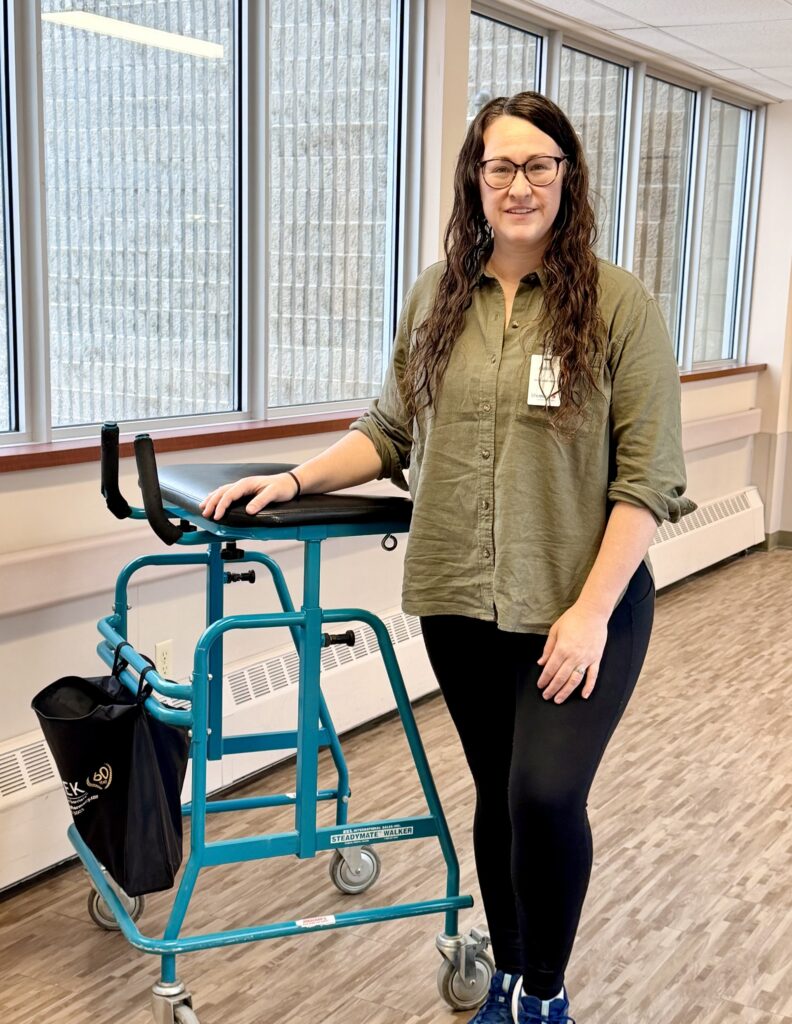
Ashley Pilkington, Physiotherapist practicing in long-term care

Long-term care was not part of Ashley Pilkington’s career plan during her time as a student physiotherapist. With limited exposure and education around the populations and opportunities in this sector, Ashley didn’t have a view of the possibilities.

However, a long-term care opportunity was presented to her shortly after graduating her physiotherapy program, and Ashley courageously took a leap of faith and ended up in a sector where she finds meaning, fulfillment, and personal and professional growth. Ashley’s work in long-term care challenges common misconceptions about the sector and demonstrates the profound impact physiotherapists can have on residents, families, and care teams.   

Making a Meaningful Difference  

Ashley explains that long-term care is often seen as a population with low rehabilitation potential, with many residents being admitted when their mobility has plateaued or they are not able to return to community living. However, “that doesn’t mean there isn’t value in rehabilitation in the LTC environment,” Ashley says.   

Ashley reminds us that long-term care residents still are motivated and have goals to be as independent as possible. Physiotherapists can make a meaningful difference by focusing on restorative function.   

Ashley shares examples of residents who benefit from the power of focused physiotherapy. She spoke of a resident who had a goal of spending Christmas at his daughter’s home, which required completing steps into and out of the house.

“Six months prior to this goal, this resident required a mechanical lift to transfer, unable to stand. With his persistent work, as a team we were able to progress his mobility to where he successfully went to his daughter’s for Christmas,” Ashley says.

Another resident, who had not walked in six months following a long hospital stay, was able to walk with the physiotherapy team in just eight weeks. “That freedom has positively impacted her and her everyday life,” Ashley adds. Ashley notes that these outcomes are not just clinical milestones, rather, they are meaningful changes that affect how residents live day to day.  

A Broader Approach to Care

Ashley explains that working in long-term care forces physiotherapists to think outside the box and consider overall functional impairment.

“We do address acute injuries such as fractures, sprains, and strains as one would in outpatient settings” Ashley says, “but we are treating those acute injuries in the context of multi co-morbidities.” 

She describes how a simple injury can have wide-ranging implications, from changes in transfer status to increased fall risk and the need for new mobility supports.  

Physiotherapists in long-term care also work closely with other support teams to foster safe improvement of mobility. Ashley explains that collaboration with Behaviour Support teams, family education, and the use of Montessori-style activities can support therapeutic engagement and improved outcomes.  

Pushing the Boundaries

Ashley has found opportunities to expand physiotherapy roles beyond direct care. She is involved in fall prevention committees where she provides clinical expertise to improve programming and equipment distribution for nursing staff, while also analyzing trends in fall data. Furthermore, with limited occupational therapy support, physiotherapists in long-term care often take on expanded responsibilities as Assistive Device Program prescribers. “My wheelchair seating, and prescriptions of manual, tilt and power wheelchairs have expanded past knowing how one moves the wheelchair” Ashley explains. “Being able to prescribe a wheelchair effectively for pain relief, comfort to participate in daily activities, meet any specific needs of contractures and prevention/healing of pressure injuries can be very challenging but rewarding.”  

Unique Skills for Complex Needs  

In addition to mobility and restorative work, Ashley says physiotherapists bring strong diagnostic skills and the ability to assess urgent versus non-urgent needs for emergency care or imaging. They also consider medication timing and broader health factors when working with complex conditions.  

Ashley explains that physiotherapists offer a holistic perspective, supporting not only function and mobility, but also pain management, participation in daily activities, and comfort through end-of-life care.  

Rewards and Challenges  

For Ashley, one of the most rewarding aspects of working in long-term care is being part of a resident’s end-of-life journey, whether that spans years, months, or days.  

“Quality of Life goals over the last years of someone’s life are so important. Although we may not be achieving a high-performance level, being able to brush their hair, feed themselves, transfer with less assistance is life changing to residents and their families.”  

At the same time, she acknowledges that long-term care work can be particularly challenging. Working with residents who have dementia or cognitive decline can make it difficult to implement therapeutic programs, and understanding each person’s story is essential to engagement and success. Ashley also highlights the emotional complexity of supporting residents and families through grief and loss, which requires strong communication and trust.  

Advice for Future Physiotherapists  

Ashley encourages physiotherapists and students to explore long-term care, even if it is not their intended career path. “I would highly recommend doing a placement in LTC if it’s available in your catchment” she says. 

“Even if the plan is to focus in a different area of physiotherapy after graduation, I’ve had many students who have learned valuable communication techniques in challenging populations, who learn to think about the whole person and not just the one acute issue and also learn more about the complex chronic disease populations.”   

For those considering leadership roles, Ashley says, “You don’t need a specific ‘Leader’ role to be a leader in your career. Be a team player and be a collaborator with all healthcare team members. By working together, your therapeutic outcomes will be more effective.” She adds that exploring different practice environments can help physiotherapists find the right fit and open doors to future opportunities.  

Are You our Next Member Spotlight?

Do you want to be featured? Are you in an innovative role? Spoken about physiotherapy in a podcast or the news? Published an article? Or represented the physiotherapy profession through advocacy?

We want to celebrate you as a physiotherapist, PT or PTA student or PTA!

Navigating Your Route to Success: A Night of Insight, Networking and Professional Growth 

June 24, 2026  Post-Event Highlights 

OPA Central Toronto District Student New to Practice Event

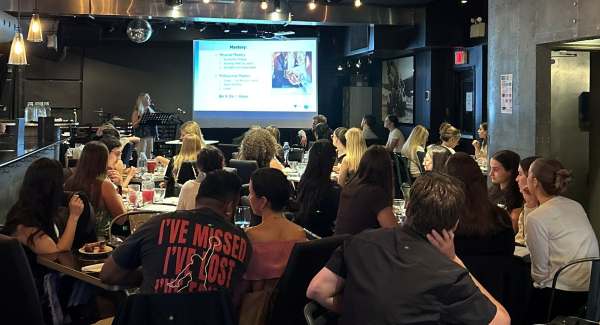
The Central Toronto District’s Navigating Your Route to Success event was a resounding success, bringing together over 50 second-year PT students and new grads for an evening of honest conversation about life after graduation. 

The evening opened with a presentation from OPA Board Director and private practice owner Jennifer Howey. Jennifer offered attendees a clear-eyed look at the current job market, an overview of different hiring models, and practical guidance on career direction and personal branding. From there, a panel of four physiotherapists, representing hospitals, rehab facilities, private practice, and advanced practice settings, shared their own career journeys and fielded questions from the audience. 

Organizer Jackie Tucker described the event as a huge success, noting the overwhelmingly positive feedback from students who attended. Fellow organizer Tiffany Tiu echoed that sentiment, sharing that students were so engaged and full of questions that the evening ran long, so long, in fact, that a few planned activities had to be cut to make room for conversation. 

A big thank you to everyone who came out to Cumberland St. and made this evening such a meaningful one for the next generation of physiotherapists. Keep an eye on the OPA calendar for more events like this one! 

Another Successful Donate Your Kicks Campaign! 

Donate Your Kicks Campaign 2026

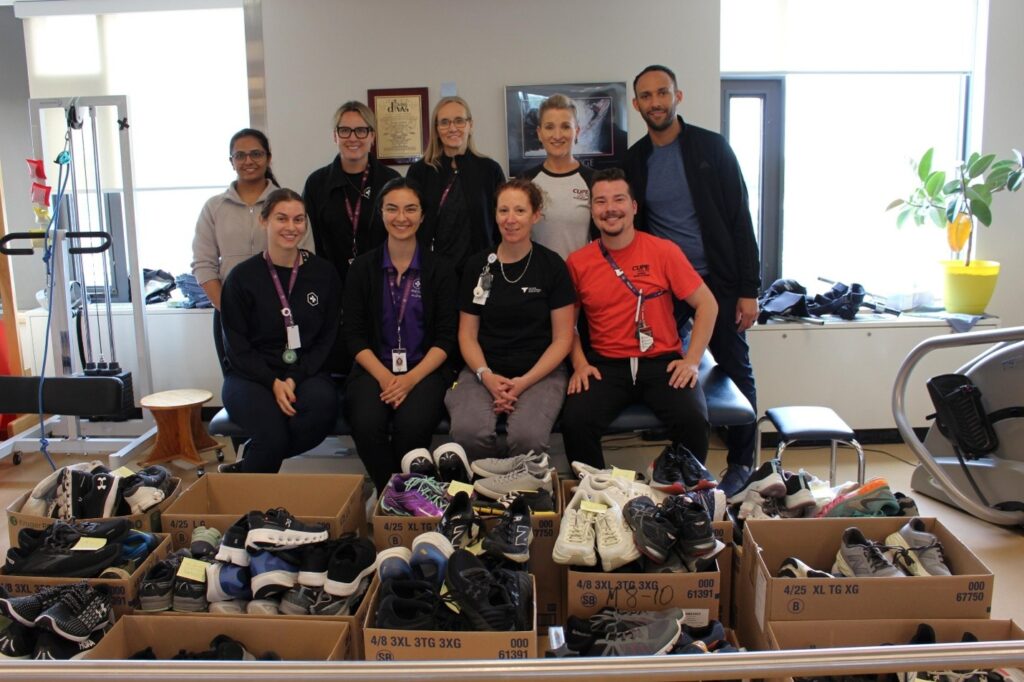
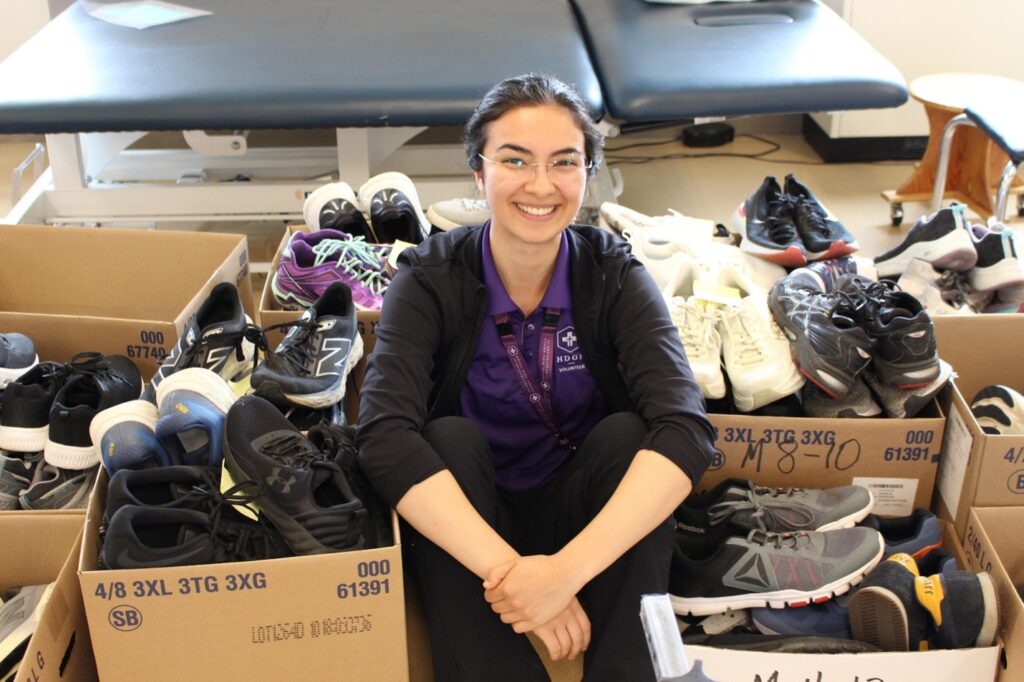
The OPA Windsor District extends a huge thank you to everyone across Windsor-Essex who participated in the 2026 Donate Your Kicks Campaign! Held throughout the month of May in celebration of National Physiotherapy Month, the shoe drive was organized by Hotel-Dieu Grace Healthcare (HDGH) and the Windsor District of OPA to help stock the HDGH Clothing Closet, giving patients access to footwear and clothing they may need. 

The campaign’s goal is simple but meaningful: a good pair of shoes can make all the difference in a patient’s recovery. Without proper footwear, mobility and rehabilitation can be significantly harder to achieve. Thanks to the generosity of staff, students, volunteers, and the wider community, patients throughout the rehab hospital now have greater access to the shoes they need to get moving again. 

This year’s campaign wouldn’t have been possible without the support of several community partners who set up their own collection boxes, including: 

  1. The Running Factory (Manager Kristy Ireland) 
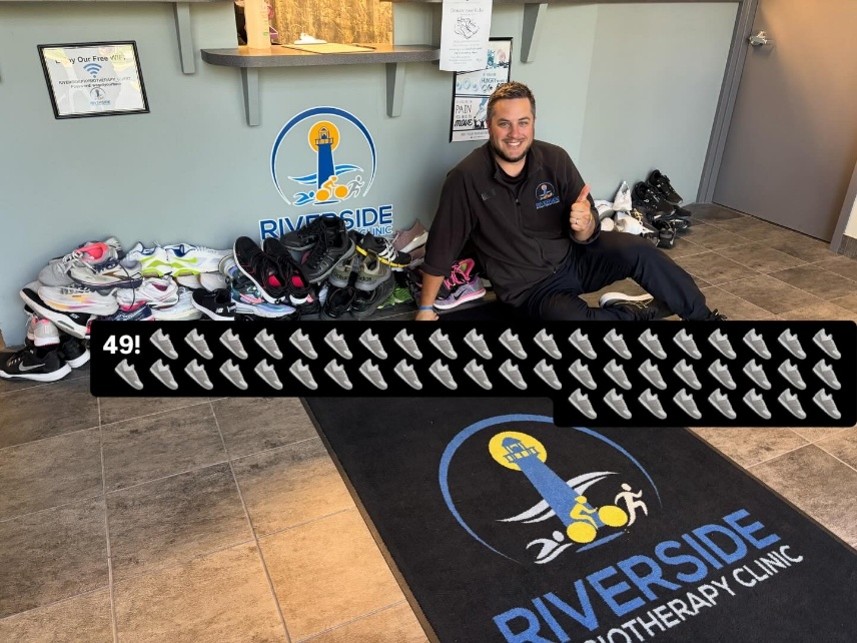
  1. Riverside Physiotherapy (Troy Sajatovich, PT, and staff) 
Riverside Physiotherapy
  1. Loaring Physiotherapy (Wesley Bellemore, PT, and staff) 
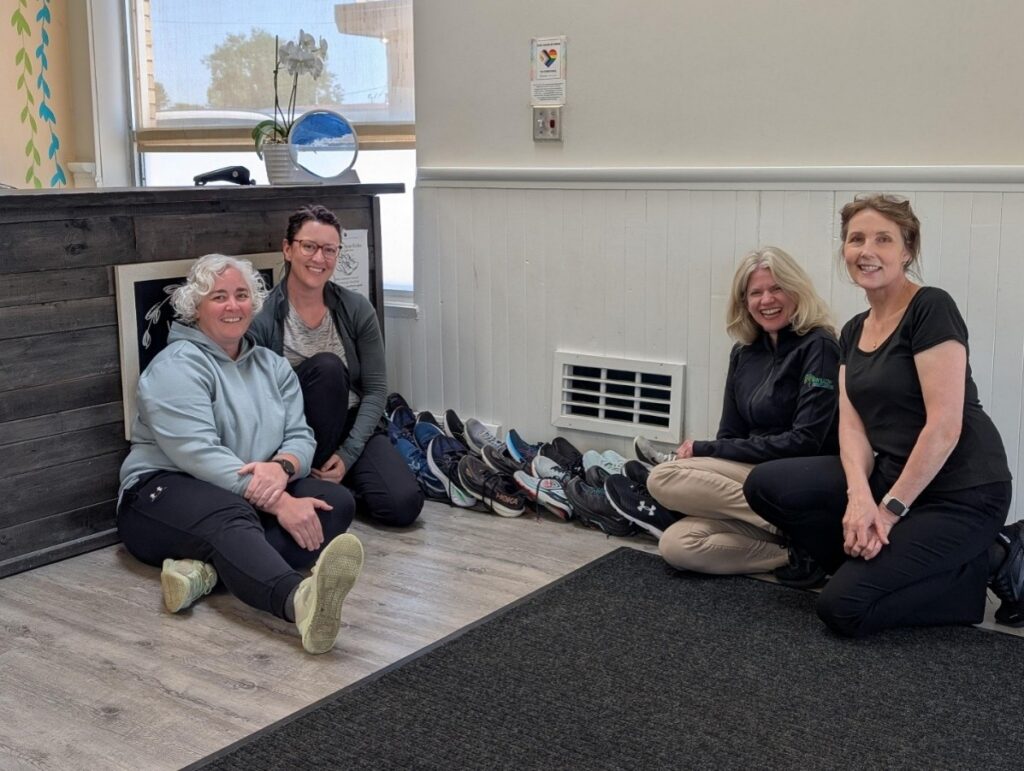
  1. Leap Physiotherapy (Alex Graham, PT, and staff) 
Leap Physiotherapy
  1. Willow Health Centre, Chatham (Tegan Vermey, PT, and staff) 
Willow Health Centre Chatham
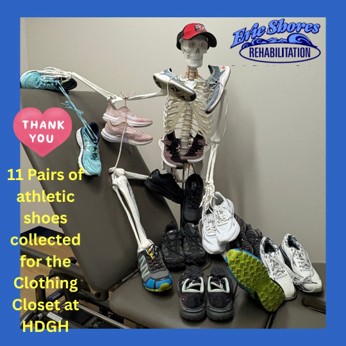
  1. Erie Shores and Rehabilitation, Kingsville (Roberta Weston, PT, and staff) 
Erie Shores and Rehabilitation Kingsville
  1. Tecumseh Physiotherapy (Danese Tezer and Sarah Primeau, PTs, and staff) 

A special thank you was also extended to HDGH Rehab 4 volunteer Simona Brezeanu, who generously gave up her own time to clean, sort, and organize more than 200 pairs of donated shoes! Her dedication and hard work behind the scenes made a huge difference in getting these donations ready for patients in need. 

HDGH Rehab 4 volunteer Simona Brezeanu

The OPA Windsor District thanks everyone who donated, collected, and volunteered to make this year’s campaign such a success, and looks forward to bringing the Donate Your Kicks Campaign back again next year!