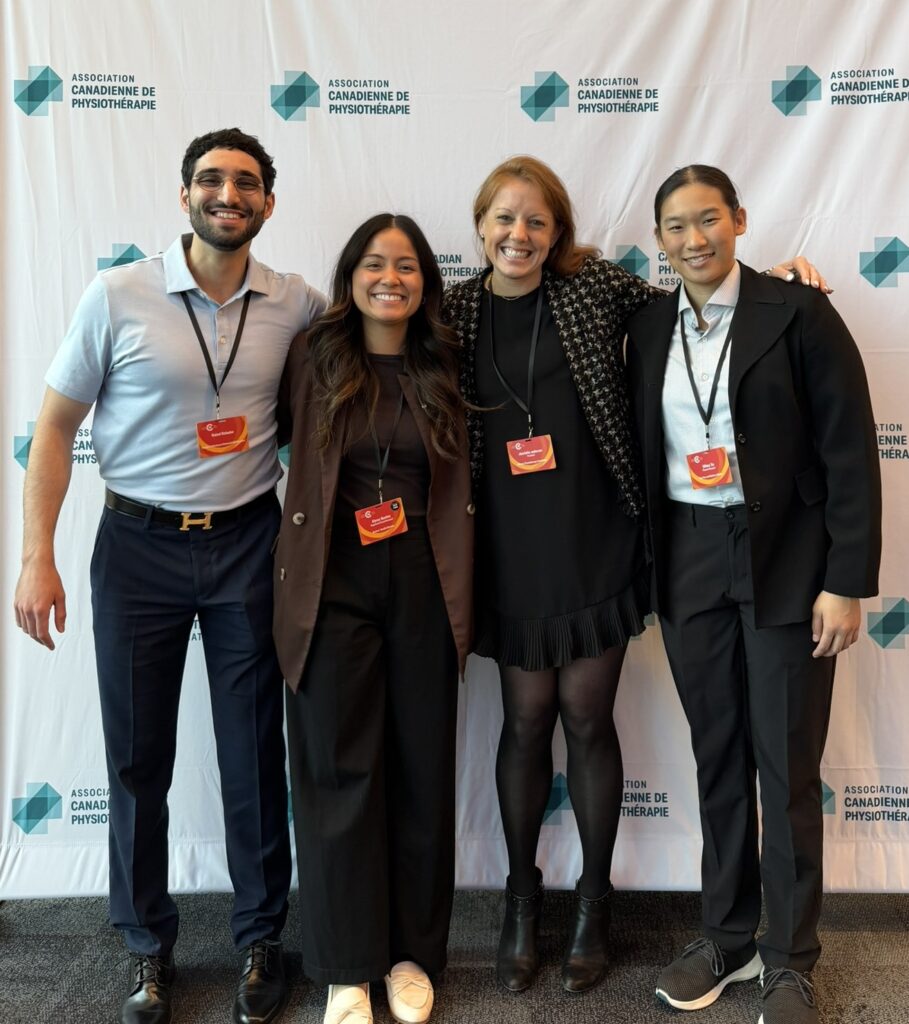
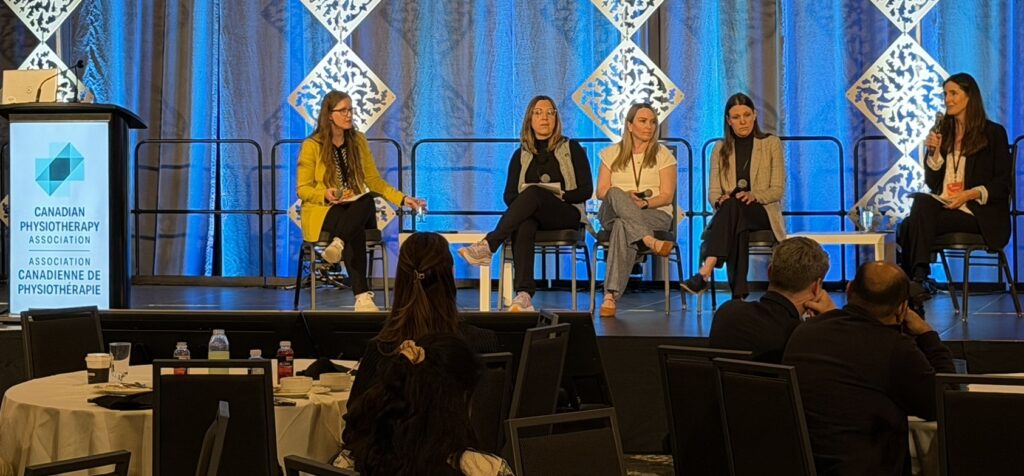
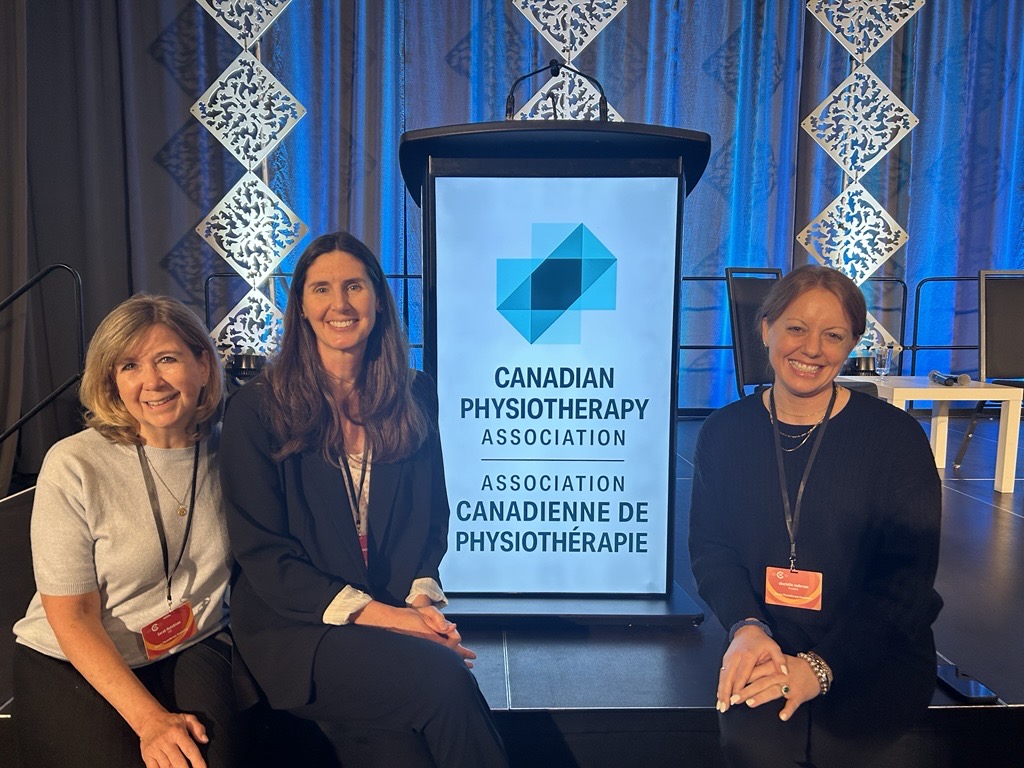
We were excited to have several engaged OPA members and staff attend the Canadian Physiotherapy Association’s Congress from May 29-30, 2026, in Halifax.
Charlotte Anderson, OPA’s President connected with the physiotherapy community across the province, including with Ontario District Presidents.
District Presidents at Congress
OPA was pleased to see several Ontario District Presidents share their knowledge at Congress. OPA’s Central Toronto District Co-President Tiffany Tiu presented on pain science. Tina Ziebart, District President of London District and Alyssa Benitez, York Region and Scarborough District President discussed older adult care.
OPA’s Emily Stevenson Co-Moderating Session
We were proud to witness Emily Stevenson, OPA’s Director, Practice and Policy co-moderate a session on primary care. OPA has been consistently advocating that with an increase in primary care funding, physiotherapists must be included as core members of interdisciplinary primary care teams. Increasing the number of primary care physiotherapists in Ontario is an essential step towards improving health system capacity and bringing comprehensive and convenient care to more people in Ontario.
Sarah Hutchison Strengthening Relationships
Sarah Hutchison, OPA CEO, along with Jennifer Howey, OPA Board Director, attended and networked with the physiotherapy community across the province, strengthening relationships and bringing back practical ideas to better support OPA members.
OPA members and staff were inspired and invigorated by CPA’s Congress and look forward to welcoming CPA members from across the country to OPA’s InterACTION conference in 2027!
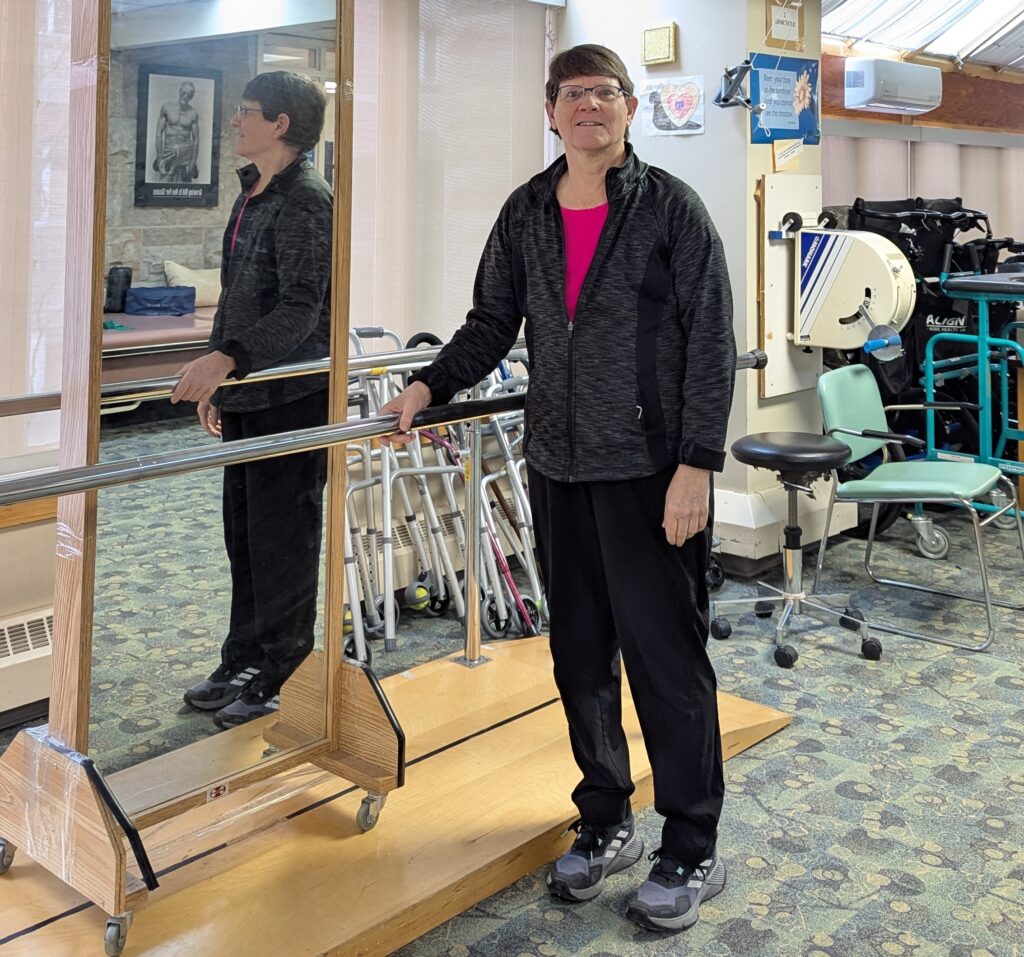
Sarah’s path into long-term care was not something she initially planned. Rather, it grew organically from her early career experiences.
Sarah was the owner of a physiotherapy clinic and began receiving requests to provide services in long-term care homes across Eastern Ontario. As she built relationships and demonstrated her expertise, the demand steadily increased.
She reached a turning point when it became clear that the need for physiotherapist services in long-term care was both significant and ongoing. Sarah made the decision to sell her clinic and dedicate herself fully to the sector, and she has never looked back. “I have had no regrets since making that professional decision,” says Sarah.
Wearing Many Hats in Leadership
Today, Sarah works as a Registered Physiotherapist in long-term care, where her role extends far beyond traditional expectations. When she is not conducting diverse assessments, she serves as a consultant in essential clinical areas including wound management, pain management, fall prevention, and mobility.
For Sarah, leadership is embedded in everyday practice. She provides education to staff on topics like fall prevention, safe transfers, and injury prevention, while also contributing to key committees focused on falls, wounds, and least restraint policies. Sarah’s work is monumental in shaping policies and improving care practices that support wellbeing and quality of life for long-term care residents.
In addition to her physiotherapist responsibilities, Sarah has taken on a broader leadership role as a Clinical Lead with Lifemark Seniors Wellness. In this capacity, she mentors physiotherapists across Ontario, supporting both new graduates and experienced clinicians entering the sector. She finds fulfillment in guiding others through what she describes as a “very-challenging sector of elder care.”
Making a Meaningful Impact
From the moment a resident enters long-term care, Sarah becomes an integral part of their journey. She helps create safe and functional living spaces, ensures appropriate equipment is in place, and develops treatment plans tailored to each person’s needs.
Sarah explains that physiotherapy plays a crucial role in slowing physical decline and maintaining independence. She works closely with care teams, families, and other professionals to address evolving needs. Without this intervention, she notes that residents would face increased risks of immobility, pain, falls, and overall decline.
Beyond the Scope of Physiotherapy
Working in long-term care has allowed Sarah to push beyond the traditional boundaries of what it means to be a physiotherapist. She emphasizes that physiotherapists in this setting are not only direct care providers but also key consultants and collaborators, contributing to areas such as palliative care, behavior management, and broader decision-making that shapes resident care.
Sarah adds that interdisciplinary collaboration is central to her work. She regularly engages with physicians, nurse practitioners, dieticians, and other staff to address complex care needs. Her involvement also extends into shaping practices and guidelines, including contributing to a Safe Operation Policy related to power mobility devices and the medicinal use of prescription cannabis in long-term care.
Rewards, Challenges, and Growth
For Sarah, long-term care work is deeply fulfilling and meaningful, not only to her, but to the individuals she supports. “The most rewarding part is that I get to influence an individual’s life and journey during the final stages of their life. Each resident has a story, and I get to hear it and have some impact on their end-of-life journey,” Sarah explains.
At the same time, she acknowledges the immense challenges with this sector.
“The challenging part of working in LTC care concerns the inadequate amount and level of provincial funding, and how that limits the time I have to provide PT interventions” says Sarah. “Every day I think, if I just had a few more hours, the resident could get stronger, be more mobile, and avoid significant contractures or wounds.”
Despite these challenges, Sarah says the experience has shaped her into a stronger leader. Working in a highly collaborative, interdisciplinary environment has broadened her perspective and deepened her understanding of care needs and barriers.
Encouraging the Next Generation
Sarah encourages physiotherapists and students who are curious about long-term care to experience it firsthand: “I encourage my fellow PTs to come and spend a week in LTC. You may be challenged, you will definitely have fun, and you will use every physiotherapy-based knowledge source you ever learned.”
For those considering leadership roles, her advice is simple: “Knowledge and experience should be shared and built upon. Go for it!”
Are You our Next Member Spotlight?
Do you want to be featured? Are you in an innovative role? Spoken about physiotherapy in a podcast or the news? Published an article? Or represented the physiotherapy profession through advocacy?
We want to celebrate you as a physiotherapist, PT or PTA student or PTA!
On May 11, 2026, the Ontario Ministry of Health announced future scope of practice expansions for several regulated health professionals, including physiotherapists. The Ministry has directed the College of Physiotherapists of Ontario to begin developing the regulatory framework to support qualified physiotherapists in ordering certain X-rays and diagnostic ultrasound.
As indicated in the Government of Ontario news release “… the government has now officially directed Ontario’s regulatory colleges for optometrists, physiotherapists, chiropractors, dental hygienists, denturists, and audiologists and speech-language pathologists to begin developing the regulatory framework that would further expand scopes of practice in their fields.”
It’s important to note that no changes to physiotherapists’ scope of practice have been implemented yet regarding x-rays and diagnostic imaging. The College of Physiotherapists of Ontario is beginning the work to develop the regulatory framework. OPA will continue to collaborate with the Ministry of Health and the College as the process moves forward.
Progress
We are hopeful, however, that this announcement demonstrates that the Ministry of Health is moving in the right direction to implement the remaining scope of practice changes for physiotherapists.
Background
OPA has tirelessly advocated for nearly two decades to advance scope of practice changes that enable physiotherapists to deliver more comprehensive care.
In 2008, the Ontario Physiotherapy Association and the College of Physiotherapists of Ontario collaborated on a joint submission requested by the Health Professions Regulatory Advisory Council (HPRAC) to review the scope of practice of physiotherapists.
Successes to Date
This joint submission proposed scope of practice amendments, which were all accepted and recommended for implementation by HPRAC, except for one – the authority to refer to specialists.
In 2012, physiotherapist’s scope expanded to include:
Communicating a diagnosis (controlled activity that is within scope at the entry to practice level)
Treating a wound below the dermis
Internal pelvic exams (including putting an instrument, hand or finger beyond the labia majora or beyond the anal verge)
Administering a substance by inhalation (when the substance has been ordered by an authorized person)
Why We Continue to Advocate
Awaiting implementation and not able to put into practice:
Ordering a prescribed form of energy (e.g., diagnostic ultrasound or MRI)
Ordering diagnostics (e.g., X-rays or CT scans)
Ordering laboratory tests
OPA’s Continued Advocacy
Current advocacy on PT scope of practice focuses on implementing outstanding changes for activities that still need regulation changes, including ordering diagnostic imaging. Implementation will positively affect access to care, improve health system efficiency, and reduce workloads for all providers. It will lead to people in Ontario getting the right care at the right time, and better sustainability in career paths for physiotherapists.
We encourage you to watch for further updates from both OPA and the College. Be sure to check OPA’s news where you can filter to access all scope of practice updates. Check out our dedicated Scope of Practice page for the latest information as this process unfolds.
The Ontario Physiotherapy Association is led by its members through the Board of Directors. Nine physiotherapist members make up the OPA Board, all of whom carry fiduciary responsibilities. Board members dedicate significant time and energy to guide the Association toward its mission.
The Annual Members Meeting (AMM) is a time to gather voting delegates from across OPA’s 16 districts to hear about and vote on the business of the Association.
Annual Members Meeting Success!
OPA’s 2026 Annual Members Meeting took place virtually on Thursday, April 30. OPA welcomed 62 voting delegates, our appointed Parliamentarian and Scrutineer, Jason Robinson, OPA’s current Board of Directors, candidates for the 2026-2027 Board, guests, and staff.
The meeting was a great success with Courtney Bean, OPA’s President (at the time of the meeting) acting as Chair. Alison Stene, CPA’s President, shared news and updates from the Canadian Physiotherapy Association. Magda McCaughan presented OPA’s achievements for the last year in her Secretary’s report. Sarah Hutchison, OPA’s CEO, presented OPA’s audited financial statements.
Voting delegates approved the 2025 audited financial statements and approved Cooper and Company as the auditors for the 2026 fiscal year.
Election of 2026-2027 OPA Board of Directors
There were six candidates for four director positions, therefore OPA held an online election managed by our Parliamentarian. Each candidate spoke for three minutes, and candidate resumes, videos and letters of intent were pre-circulated. 62 voting delegates cast 62 votes and four directors were elected.
We welcome Charlotte Anderson as OPA’s President with Courtney Bean now acting as Past-President. David Egbert, Jennifer Howey, and Terry Wang are completing the second year of their first terms on the Board.
Anthony Grande and Carrie Lau were elected to join the 2026-2027 Board of Directors. We welcome back Wing Ting Truong and Kyle Whaley for their second two-year term.
OPA would like to sincerely thank Magda McCaughan for her four years of insightful contributions on the Board as a Director and Secretary. Magda has been a dedicated volunteer for many years, having previously served as Hamilton’s District President.
We would also like to thank Manuel Valle, who has made invaluable contributions on the OPA Board of Directors for the past two years. Manuel has been a significant advocate for internationally educated physiotherapists, and we will miss his voice on the Board.
OPA also sincerely appreciates members who make the decision to run for the Board of Directors. Venkadesan Rajendran has been an incredible and passionate volunteer for years having served as the District President and in other executive roles with the Northern Ontario District.
OPA hopes to continue our valuable volunteer relationships with Magda, Manuel and Venkadesan! Thank you to the 62 voting delegates who took time out of their busy schedules to participate in OPA’s Annual Members Meeting. We also appreciate our volunteers Jim Foley and Annette Marcuzzi for their contributions.
This National Volunteer Week, the Ontario Physiotherapy Association wants to take a moment to say thank you.
To every OPA volunteer who has given their time, expertise, and energy to the Association, your contributions matter deeply. You are the reason OPA is able to advocate, evolve, and remain relevant to the members and profession it serves.
What Volunteers Make Possible
OPA volunteers show up in so many ways. Whether you’re guiding the Association’s strategic direction as a member of the Board of Directors, bringing local voices to the provincial stage at the District level, engaging with government and stakeholders on behalf of the profession, or advising staff and leadership on sector-specific issues through a committee, the work you do is invaluable.
You bring more than your professional knowledge to these roles. You bring your perspective, your passion, and your commitment to a profession that improves the lives of patients across Ontario every day. It’s the shared dedication between volunteers, staff, and leadership, that makes OPA’s success possible.
Member volunteers are essential to the work and vision of OPA. They provide their experience, expertise and passion to support and strengthen the Association and the profession.
Members Advancing Physiotherapy Through Community Engagement
OPA volunteers are the living expression of what it means to be part of a member-led association. By dedicating your time to this work, you are not just supporting OPA, you are shaping the future of physiotherapy in Ontario. Your involvement ensures that the profession’s voice is heard, that decisions reflect the realities of practice across every sector and corner of the province, and that the next generation of physiotherapists inherits a stronger profession than the one before.
The impact of your service extends well beyond board tables and committee calls. It is felt in advocacy wins, in the resources available to members, in the professional development opportunities offered, and in the trust that patients and policymakers place in physiotherapy across Ontario.
OPA Volunteers Gain Immeasurably
Volunteering with OPA impacts the lives of the volunteers. They often tell us they have:
Built meaningful connections with colleagues and partners from across the province
Grown as leaders, communicators, and strategic thinkers
Gained insight into the broader health system and the profession’s place within it
Found a deeper sense of purpose and connection to the work of physiotherapy
Inspired to Get Involved?
If you’re an OPA member who has been thinking about getting involved, there is a place for you. Apply to join the Board of Directors, join one of our eight committees or participate locally with our Districts. Learn more about volunteering or reach out to us at physiomail@opa.on.ca with any questions.
After graduating from Queen’s University in 2023, Madison Ames began her career as a physiotherapist at North York General’s Finch Site Reactivation Care Centre (RCC). Her early experience involved working with a geriatric alternate level of care (ALC) population, which supported patients who had been discharged from acute care but were not yet ready to return home safely.
“Our primary goal was to enhance patients’ functional mobility and support discharge planning, whether that meant returning home with supports, transitioning to community programs, or entering long-term care.” Madison explains. Later, she transitioned to the rehabilitation unit at Finch Site RCC, treating geriatric patients with varying rehabilitation needs.
Establishing the Emergency Department Role
In March 2025, Madison took on a completely new challenge: establishing a physiotherapy presence in the Charlotte & Lewis Steinberg Emergency Department (ED) at North York General Hospital (NYGH). It was as brand new position for this hospital. “I was responsible for developing and defining the scope of the physiotherapy role within this fast-paced environment,” she says.
Unlike most physiotherapy roles in emergency departments, Madison’s work primarily targets admitted patients who remain in the ED while awaiting a bed on an inpatient unit. With patients often spending more than 24 hours in the ED due to high hospital volumes, her role is critical in preventing early deconditioning. “These patients are at significant risk of complications like pneumonia, delirium, and functional decline,” she explains. Early mobilization is essential to preserving independence and ensuring a smoother recovery.
Because the role was entirely new, Madison had to build everything from the ground up.
“Through trial and error, I established an effective workflow and clinical routine,” she says. “A critical part of this role is determining which patients are appropriate for mobilization, particularly given the medical instability and diagnostic uncertainty often present at this stage.”
When patients present to the ED, there is often limited information available about their background and overall functioning. As one of the first health professionals to assess many of these patients, Madison plays a vital role in collecting functional and social histories, often uncovering information that hadn’t yet been captured. “Families and patients have disclosed falls, cognitive concerns, or weight loss that hadn’t come up in previous conversations,” she notes. “By identifying these concerns early, I am able to relay key information to the appropriate team members and support timely interventions during hospitalization.”
The value of Madison’s role expands far beyond her assessment skills and encompasses the compassion and patient-centered approach she brings. “Even though I may have seen many patients with similar conditions, I remind myself that for the individual in front of me, this is new, frightening, and overwhelming,” she reflects. “What feels routine to me as a healthcare provider is, to them, a life-altering moment.”
Her role has been particularly impactful with geriatric patients suffering from conditions like urinary tract infections, pneumonia, delirium, and failure to cope. Madison’s role is critical in these cases, as this patient population is at risk for significant decline after only a few days of hospitalization: “A patient who walked independently at home could become unable to ambulate more than five meters after just one or two days in hospital,” she explains. Interventions such as therapeutic ambulation, supporting patients to mobilize to the washroom, transferring to a bedside chair for meals, or simply encouraging them to dangle at the edge of the bed can have a significant impact on reducing deconditioning and maintaining functional independence.
In addition to preventing deconditioning, Madison’s assessments often support complex discharge planning. She assists with stair assessments, mobility strategies for patients with complex conditions, and supports discharges directly from the ED, helping avoid unnecessary hospital admissions.
Collaborative Care and System-Wide Impacts
Madison’s role also aligns closely with system-level goals like reducing hallway medicine and improving patient flow. Collaborating with the Geriatric Emergency Management (GEM) nurses, Madison has helped streamline transfers directly to inpatient rehabilitation facilities, thereby avoiding acute admissions and ensuring patients receive the focused support they need.
“Through established relationships with several rehabilitation hospitals across the Greater Toronto Area, we have developed an efficient process to identify suitable patients [for inpatient rehab], set goals and care plans, complete applications, and successfully facilitate admissions and same-day transfers,” Madison shares. This process has been particularly impactful in reducing admissions to acute care units and reducing the associated risks.
To make a lasting impact, Madison believes it’s critical for both decision-makers and healthcare providers to recognize the value of physiotherapy and early mobilization. “Deconditioning begins within hours of immobility,” she stresses. “In just 24 to 48 hours, patients begin to lose strength, limiting their ability to perform basic functional tasks.”
Madison points out that one in five geriatric patients develops delirium after just 12 hours in the ED. “Facilitating mobility…can help maintain orientation and reduce the risk of delirium,” she says.
For other hospitals or leaders looking to replicate this model, Madison emphasizes the need to educate all staff members about the role and benefits of physiotherapists in this setting. Madison notes the equal importance of empathy and compassion in the emergency department “Patients are often in pain, unwell, anxious, or uncertain about next steps, [and] understandably, walking or mobilizing is not always something they feel ready to do.”
A Day in the NYGH Emergency Department
A typical day for Madison begins with reviewing consults and prioritizing patients. Her caseload can vary from just a few consults to over 40 in a given shift. “On high-volume days, when it is not feasible to assess every patient, I begin with a brief chart review to identify priorities,” she explains. She often prioritizes geriatric patients, those with the longest ED stay, and those at high risk of deconditioning. Detailed chart reviews, collaborative discussions with interdisciplinary team members, and care coordination are all part of Madison’s role in the emergency department. Between assessments, treatments, and documentation, Madison manages to maintain a level of flexibility, allowing her to respond to emerging needs throughout the day.
Looking ahead, Madison believes advocacy and funding roles like hers are essential to transforming patient care.
“Having a physiotherapist embedded in the ED… helps reduce the risk of deconditioning,” she says. “Patients are mobilized sooner; their mobility status recommendations are clearly documented, and unit physiotherapists receive patients with a more complete understanding of their functional baseline and discharge plan.”
Are You our Next Member Spotlight?
Do you want to be featured? Are you in an innovative role? Spoken about physiotherapy in a podcast or the news? Published an article? Or represented the physiotherapy profession through advocacy?
We want to celebrate you as a physiotherapist, PT or PTA student or PTA!
OPA is excited to celebrate the Ontario winners of the CPA Awards!
Helen Johnson – Life Membership Award
This award is presented to current or former CPA members who have contributed to the growth of the profession through at least 25 years of service at local and/or national levels.
Helen Johnson has been an active volunteer with the Ontario Physiotherapy Association for many years. She was the District President for the Windsor District, was a volunteer, and has presented multiple times at our conference, InterACTION. She also volunteered on our committees and Board of Directors, and contributed her voice to OPA’s advocacy.
Helen is also the 2006 recipient of the Professional Contribution – External, OPA Award.
Parag Shah – Clinical Education Award
Congratulations to Parag Shah, an Ontario member, for winning the Clinical Education Award. This award is presented to a member who has made outstanding contributions to the clinical education of physiotherapy students.
Alyssa Benitez – H. S. Rahikka Student Leadership Award
Alyssa Benitez is the Co-President of the Central Toronto District of OPA. We are excited to see her recognized nationally for her leadership skills! Congratulations Alyssa!
Iris Wang – H. S. Rahikka Student Leadership Award
The Helen Saarinen Rahikka Student Leadership Award is presented to a student member who has demonstrated leadership and made outstanding contributions to the promotion of the profession. Iris has participated in Ontario activities including joining us at InterACTION 2024 and acting as a voting delegate for OPA’s Annual General Meeting in 2025. Congratulations Iris!
Sarah Arulchelvam is a new to practice physiotherapist making impactful strides in a unique and evolving role in an Emergency Department (ED). With a passion for acute care and a flexible, team-based approach, she is helping to push the boundaries of physiotherapy practice in Ontario.
“I graduated from McMaster University’s physiotherapy program in August 2024, so I still consider myself a relatively new graduate,” Sarah explains. “After completing the program, I was drawn to the acute care setting because of the fast-paced, collaborative nature of the hospital environment.”
Sarah began her career at Michael Garron Hospital, a community hospital in Toronto, where she primarily worked in oncology and geriatrics. Her interest, however, in exploring different practice areas and settings developed early on.
“During school, I became aware of physiotherapy in the Emergency Department as an emerging role, though full-time opportunities were quite limited at the time,” she says. “So, when a position opened in the ED at Markham Stouffville Hospital, I was excited to take the opportunity and make that transition. I’m still new in this position and continue to learn and grow within the role, but it’s been a rewarding experience so far.”
Pushing Scope and Supporting Flow
Working in the Emergency Department requires adaptability and interdisciplinary collaboration. “In the ED, the dynamic and resource-limited environment often calls for physiotherapists to extend their role beyond traditional boundaries, always within safe, ethical, and team-based frameworks,” says Sarah.
“As the consistent allied health provider on the floor, I frequently take on tasks that support patient care and flow.”
Sarah often assists with occupational therapy responsibilities, such as equipment recommendations, activities of daily living (ADL) assessments, and basic cognitive screenings. She also initiates referrals to community services and contributes to discharge planning, all of which are roles that are not traditionally part of physiotherapy but are essential in this setting.
“I believe this kind of interdisciplinary flexibility is necessary in today’s emergency care settings and reflects how the physiotherapy role is evolving in acute environments like the ED.”
A Generalist Approach for Complex Care
Rather than narrowing her focus early, Sarah chose a broad clinical approach to meet the unpredictable needs of the ED. “As a new graduate, I bring current, evidence-based knowledge across all major areas of physiotherapy, including musculoskeletal (MSK), neurological, and cardiorespiratory,” she says. “I’ve embraced a generalist approach, which has been a real strength in the ED.”
This approach allows her to perform MSK special tests, vertigo assessments like the Dix-Hallpike, and assist in patient flow coordination. While some of these assessments are atypical for a hospital setting, they are critical for providing thorough assessments and optimal care.
Sarah also works closely with geriatric nurse practitioners to create discharge plans for non-admit older adults. She balances short-term supports with long-term planning, such as initiating long-term care applications or retirement home referrals.
Impact on Patient Outcomes and System Goals
The physiotherapy role in the ED is particularly impactful for non-admit patients such as those who receive care without being formally admitted. “A significant portion of these individuals are older adults who present with issues such as falls, pain, or difficulty coping at home,” Sarah explains.
“While they may not require hospital admission, their needs still warrant timely assessment and intervention.”
By optimizing mobility, supporting pain management, and contributing to discharge planning, Sarah helps prevent unnecessary admissions and ensures safe transitions back to the community.
“Although still early in my time in this role, I’ve seen firsthand how early physiotherapy involvement can support better patient flow and lead to more appropriate, timely discharges.”
She also emphasizes the importance of early mobilization in reducing deconditioning and contributing to shorter ED stays, especially for high-risk or geriatric patients.
Policy, Advocacy, and Education
Sarah believes that for system-level goals like reducing hallway medicine and readmissions, physiotherapists must be engaged from the outset. “Many government-funded clinical pathways are designed with the expectation of short hospital stays,” she explains. “To meet these timelines, system-level decision-makers must recognize that discharge planning begins the moment a patient is admitted.”
She urges policymakers to appreciate how early physiotherapy assessment can coordinate care and prevent complications.
“Early mobilization not only prevents deconditioning and reduces complications but also serves as a cost-saving strategy.”
More research is needed, particularly in Canada, to highlight the value of physiotherapy and early mobilization in EDs, she adds.
Sarah also wants fellow physiotherapists and health professionals to understand the unique demands of ED practice. “The ED is a dynamic and unpredictable environment. ED physiotherapists must be highly flexible. In addition to managing patients in the ED, we often function as float physiotherapists, assisting colleagues on inpatient units when needed.”
A Day in the Life
“A typical day for me as an emergency department (ED) physiotherapist runs from 9 am to 7 pm, and no two days are ever quite the same,” says Sarah. “The work is dynamic and often unpredictable. It requires flexibility, communication, and frequent coordination with various members of the healthcare team.”
Sarah begins by reviewing the ED patient count, focusing on non-admitted patients. She often collaborates with the geriatric emergency management (GEM) nurse practitioner and works with the Access and Flow team to identify patients who may benefit from physiotherapy.
After chart reviews, she typically sees patients in blocks of two or three, checking with bedside nurses first and often hunting down essential equipment. “ED mobility aids like two-wheeled walkers and canes tend to go missing due to fast patient turnover, so I frequently search the department or even other units,” she explains.
Assessments may require creativity and often involve adapting to the available physical environment and maintaining ongoing communication with physicians, occupational therapists, and flow coordinators to ensure a safe discharge.
“Since the ED is constantly evolving, I regularly check for PT referrals throughout the day. New patients are always arriving or being flagged for discharge, so it’s important to stay on top of the caseload daily.”
She also supports other departments when the ED is quieter. “Ultimately, working in the ED requires not only clinical expertise but also strong collaboration, creativity, and a proactive mindset to support patient flow, safety, and quality care under high-pressure conditions.”
Sarah’s experience highlights not only the evolving scope of physiotherapy but also the profession’s vital contribution to system-wide healthcare goals. Her story offers inspiration and insight for other physiotherapists, whether they are new graduates or seasoned clinicians. It’s a compelling case for why more ED-based physiotherapy roles are deserving of increased funding and support.
Are You our Next Member Spotlight?
Do you want to be featured? Are you in an innovative role? Spoken about physiotherapy in a podcast or the news? Published an article? Or represented the physiotherapy profession through advocacy?
We want to celebrate you as a physiotherapist, PT or PTA student or PTA!
The Government of Ontario invites workers, organizations, businesses and communities to share what matters most to inform the 2026 Ontario budget.
OPA submitted a response to the annual budget consultation. Our response illustrates how physiotherapists can contribute to building a ‘more competitive, resilient and self-reliant province”, part of the government’s plan to protect Ontario.
Our 2026-2027 pre-budget submission focusses on attainable, impactful investments that will support the government in achieving the goal to increase capacity in Ontario’s health care system. The priorities are:
Provide required resourcing of physiotherapy positions in primary care, home and community care, and long-term care to bring compensation in line with the hospital sector.
Strengthen the Community Physiotherapy Clinic program as a strategy to support primary care access and to support seniors living in the community.
Address the health human resource crisis and improve access to care by enabling physiotherapists in Ontario to practice to full scope of practice.
Part of Our Continued Advocacy
The priorities outlined are informed by conversations, meetings, and surveys across various sectors throughout the year. OPA consults with members and health care leaders, including our advisory committees, Board of Directors and Districts. These conversations and information have been critical to identify the priorities of OPA’s 2026 Pre-Budget Submission.
More About What OPA Wants on Behalf of PTs and Patients
PHYSIOTHERAPY COMPENSATION EQUALIZATION ACROSS PUBLIC SECTOR
Physiotherapists have an essential role in delivering care in the community whether as part of a primary care team, at a patient’s place of residence, or in a long-term care facility. Access to care in each of these settings is critical to keeping Ontarians healthy, mobile and contributing to their communities and the economy. The challenge is that recruitment and retention in these positions is near impossible when the compensation is well below that of hospitals. To offset more costly institutional care, sufficient funding in the primary care, home care, and long-term care is essential to support health human resource needs long term.
STRENGTHENING THE COMMUNITY PHYSIOTHERAPY (CPC) PROGRAM
The Community Physiotherapy Program (CPC) is a well-established program which has been providing access to essential physiotherapy care for over 10 years. This program partners with over 200 community clinics and outpatient hospital facilities to deliver physiotherapy services. Unfortunately, continuation of the CPC program is becoming increasingly precarious, as the funding model has not kept pace with increasing operating costs. Episode of Care (EOC) funding has increased by only 7% since inception of the program; from $312 in 2013 to $334.38 in 2025. Without access to this care, individuals are put at risk for chronic pain, limited function, and delayed return to work. This is not a risk we can afford. The bottom line is that insufficient government funding of the CPC program is creating a significant exposure of risk to Ontarians.
ENABLING PHYSIOTHERAPISTS’ SCOPE OF PRACTICE IMPLEMENTATION
For physiotherapists, expanding scope to include diagnostic imaging and laboratory testing was included in changes to the Physiotherapy Act in 2009, as approved by the legislature. However, still today, the Ministry has not yet implemented the regulatory changes required to enact these changes.
The result? Where once a leader, there are now four provinces who have surpassed Ontario with implementing scope changes, including Alberta, Quebec, PEI and Nova Scotia. Ontarians continue to deal with “circular referrals” where they must return to their family physician (or worse yet, the Emergency Department or Walk in Clinics) for referrals for diagnostic imaging, when it is already within scope of physiotherapists.
As the government looks to attach two million people to primary care by 2029, expanding the scope of physiotherapists to include diagnostic imaging, will not only relieve the burden on family doctors – it will promote earlier diagnosis, earlier intervention, reduced system costs and promote better health outcomes. Expansion of scope will optimize any current and future investments in the community. The province cannot afford to wait any longer to enact this opportunity.
OPA’s advocacy work is ongoing, and our Pre-Budget Submission is one example of what we continue to do to advocate for our members.
All Sectors are Affected
Our recommendations affect the physiotherapy community in all practice areas. Whether it’s increasing compensation in primary care, home care, and long-term care, increasing funding for the Community Physiotherapy Clinic program, or enabling the implementation of physiotherapists’ full scope of practice, all members are impacted and would benefit from our suggested solutions.
What’s Next
We look forward to working with the government to implement these solutions. We will be looking for these commitments in this year’s budget, which is usually released in March.
Why You Should Consider Applying for OPA’s Board of Directors
Board Directors’ contributions to OPA are invaluable. They devote time, passion, and energy to guide the Association and the members OPA serves. At least five times a year, they gather to consider what OPA has accomplished, what is happening in the environment, and where to go next. They are actively engaged with OPA’s districts and committees to understand the priorities and issues of the profession.
Benefits to Being on the Board
What may not be highlighted as often are the benefits to Board Directors personally and professionally in taking on this role. We see and hear every year how much Board members learn, grow, and get more connected by participating on the Board. Directors often run for additional terms, which means they can volunteer for a total of six years. And they choose to do so!
Board Directors’ Impact
Collectively, the Board takes a global approach to planning, ensuring that all sectors and areas of the province across physiotherapists’ career span are included. They also evaluate environmental factors and consider both long-term and short-term planning. For example, advocacy for full scope of practice implementation has been relentless and ongoing for years. However, the pandemic led to a shift in priorities so that members had the support and advocacy they needed at that time.
Every Director Brings an Important Perspective
Every Board member’s contributions as individual PTs benefits all members. From highlighting nuances in rural and remote areas, to considering the different experiences of internationally educated PTs, the diversity of our Board members is critical for leading and shaping a well-rounded plan each year. Every year, new perspectives are incorporated from new Directors, and the Association grows in their collective knowledge! Maybe there’s an issue that only you have thought about that might impact physiotherapists in the future?
Reach out to Current Directors and OPA Staff
Past and current Directors may have initially doubted their qualifications or readiness. Or they may have wondered about the benefits of taking on this role. Some spoke to existing Board members or reached out to OPA staff to find out more before applying. These options exist for you as well!
We want you to consider how you would make a difference and what you would gain from the experience. We know that each and every one of you has something to contribute.
About Board Nominations for 2026
In keeping with our commitment to equity, diversity and inclusion, the Ontario Physiotherapy Association strives for a Board of Directors representative of its membership across the province and inclusive of diverse voices, practice experiences, and perspectives.
All interested candidates are encouraged to apply. OPA is seeking individuals who bring their experience in rural and remote communities and/or work in public sector roles (hospital, primary care, home & community).
More about the Role of the OPA Board of Directors
The Board serves as the decision-making body providing strategic direction and oversight for the Association. Board meetings are held both in-person and virtually.
Four Director Positions Open for Election in 2026
The OPA Governance Committee is seeking candidates for four Directors. The election will be held at the 2026 Ontario Physiotherapy Association’s Annual General Meeting (AGM) on April 30, 2026 virtually.
As per OPA Bylaws, no nominations from the floor at the AGM can be accepted. Therefore, those interested in being on the Board must submit their completed applications by Friday, February 27, 2026.
Only OPA physiotherapist members are eligible to serve on the Board of Directors.