skip to content

Advancing the Role of Physiotherapists in Primary Care

What’s the Issue

On Friday, September 6, OPA President Courtney Bean, CEO Sarah Hutchison, Primary Care Advisory Committee Chair member Emily Stevenson, and Government Relations Representative Don Gracey met with Dr. Jane Philpott, and Carly Bergamini, Director of the Primary Care Action Team (PCAT), an Ontario government initiative. The mandate of the PCAT is to ensure 100% of people in Ontario are attached to a family doctor or a primary care nurse practitioner working in a publicly funded team, where they receive ongoing, comprehensive, and convenient care. 

OPA highlighted how approximately 20-30% of primary care visits are for musculoskeletal conditions,i, ii. Based on clinical experience in physiotherapy in primary care settings and suggested attachment rates for physicians, OPA estimates that a physiotherapist on an interprofessional primary care team can increase attachment rates by approximately 425 total rostered patients (on average) or 24%.  

With funding now available as teams expand to meet the government’s mandate of ensuring access to primary care, physiotherapists can deliver incredible value in their ability to independently diagnose and manage musculoskeletal conditions and increase attachment.   

Here’s What We Want 

  1. OPA is advocating for an expansion of physiotherapists in primary care teams in first contact roles.  
  1. OPA is advocating for the necessary statutory amendments to enable physiotherapists to prescribe x-rays and order lab tests and “forms of energy” to be completed. Physiotherapists in other provinces and “extended practice” physiotherapists in hospitals, etc. have been authorized to do for some time. It’s time for the remaining regulations to be implemented in Ontario.  

With more physiotherapists on primary care teams, and working to their full scope of practice, we can reduce wait times, enhance access to care and improve patient outcomes at no net additional cost to the healthcare system. 

Progress Made to Date 

At this time, there are physiotherapists who are part of Family Health Teams, Community Health Centres, Nurse Practitioner-Led Teams and Indigenous Primary Care Teams. However, PTs are not frequently represented on these teams, and precise figures are not readily available from government sources, especially as organizations have moved to global budgeting models and so PT positions may be independent of specifically allocated funding. For the funding year 2023-2024, the following FTEs were identified: 

  • 29.44 FTE PT in Family Health Teams 
  • 54.03 FTE PT in Community Health Centres 
  • 2.40 FTE PT in Nurse Practitioner-Led Clinics 

These FTE values are likely a small undercount of the actual number of FTEs for physiotherapists in primary care teams.  

Continuous Advocacy for PTs in Primary Care Roles 

To ensure awareness of physiotherapists in team-based primary care roles, OPA meets with the Association of Family Health Teams of Ontario (AFHTO) and the Alliance for Healthier Communities (Alliance) as well as individual OHTs. Discussions center on how PTs can increase attachment rates, and to collate various supports and resources for primary care teams regarding physiotherapists.  

Collaboration & Expanded Capacity 

OPA supports a collaborative approach to the integration of all rehab providers in primary care teams. It is important to note that communicating a diagnosis is within the existing scope of physiotherapists, which supports functioning independently as part of a team to expand capacity.  

Why This is Critical for Our Profession 

It is important to expand the number of physiotherapists in first contact roles in primary care teams to ensure Ontarians get the right kind of care when they need it.  

Current Challenges 

Implementing Scope of Practice Changes 

Well over a decade ago HRAC approved, and the necessary statutory amendments were made to enable physiotherapists to prescribe x-rays and order lab tests and “forms of energy”. The necessary regulations, however, have been held up in the Ministry for the better part of 15 years. We are hopeful that those regulations will be passed soon to reduce wait times, enhance access to care and improve patient outcomes at no net additional cost to the healthcare system. 

Increase Compensation for Physiotherapists in Primary Care Teams

OPA recently contributed to an advocacy initiative led by AFHTO and the Alliance. The OPA provided comparative data on current compensation rates in all sectors, and a proposed updated rate that accounts for inflation since 2015, when positions for PTs in primary care teams were first established with a salary of $75,000. There is also advocacy for salary rates at CHCs to rise to the same levels as Family Health Teams. OPA proposed a salary range of $97 110-$102 075, and acknowledged that these figures only account for inflation, and are not rooted in a value-based approach.  

How OPA Supports PTs in Primary Care Teams 

OPA has supported physiotherapists in primary care teams, and those looking to add physiotherapists to their teams with: 

  • Consultation on applications to the Primary Care Action Team 
  • Resources and individualized support for recruitment and retention, including job descriptions, compensation reports, interview guides and free job postings. 
  • Communication to members regarding primary care developments 

We Continue to Advocate 

Dr. Philpott acknowledged the role and value of physiotherapists in team-based care and we look forward to our continued partnership to advance opportunities for physiotherapists.   

i MacKay C, Canizares M, Davis AM & Badley EM. Health care utilization for musculoskeletal disorders. Arthritis Care & Research. 2010; 62(2): 161–169. Retrieved December 2023 from https://doi.org/10.1002/acr.20064.

ii Power JD, Perruccio AV, Paterson JM, Canizares M, Veillette C, Coyte PC et al. Healthcare utilization and costs for musculoskeletal disorders in Ontario, Canada. J Rheumatol. 2022; 49(7): 740-747. Retrieved March 2025 from https://www.jrheum.org/content/49/7/740.

OPA Calls for Improvements in Integrating Physiotherapy into ICHSCs

OPA recently sent a letter to the Ministry of Health with important feedback about the integration of physiotherapy in the Call for Applications for Integrated Community Health Services Centres (ICHSCs). We thank members who provided feedback which helped inform our letter. 

The Impact

We recognize the impact that ICHSCs will have in all sectors where physiotherapists work, and in particular, the direct impact that will be imposed upon physiotherapists working in the private sector and those who currently operate within the Community Physiotherapy Clinic (CPC) Program.

Several significant points we made include: 

Insufficient Compensation 

Compensation for physiotherapists serving patients within the ICHSC model remains unclear. We are very concerned that insufficient funding that is not based on current market rates for physiotherapists will not result in a sustainable program.

OPA has previously expressed concerns with the existing Bundled Care program and the distribution of funds within the bundle that has resulted in underpayment of physiotherapy services. Given the Ministry’s goal of improving access to community-based surgery for hip and knee replacements, our concerns have escalated about the ability of the public to access rehabilitation before and after surgery if there are not appropriate resources and funding available for community physiotherapy partners. 

Complexity of Patients 

It is essential that funding for physiotherapy services reflects the rehabilitation complexity of the patient regardless of where they have surgery. Physiotherapy should NOT be discounted in the community because they are considered low risk from just a surgical perspective.

Navigation 

As noted in OPA’s ongoing communications with the Bundled Care team at the Ministry of Health, there have been increasing challenges in system navigation of services for patients as the hospital role in navigation has eroded over time. OPA maintains the position that patient choice continues to be a priority. Currently, patients who undergo surgery at a hospital can choose where they access post-operative physiotherapy services, and the hospital bundle-holder is responsible for reimbursing the clinic of choice. This model has not been presented as a feature of the ICHSC program and has the potential to adversely impact accessibility and care outcomes.

Communication 

OPA asks that the current communication issues be addressed that exist in the Bundled Care program prior to ICHSCs opening. Communication to and from bundled care holders to the patient and to physiotherapists are all needing to be addressed.  

Why this is Critical for our Profession

Insufficient Compensation Impacts all Physiotherapists 

A compensation model that is both underfunded and shifts the risk to physiotherapists for rehabilitation outcomes not only impacts physiotherapy clinics providing care for ICHSC patients but erodes the value and compensation of physiotherapists in all sectors.

Current Status

This is an important issue for the profession and we commit to communicating any response we receive from the Ministry that responds to the concerns we have identified.

Advocacy is Continuous

Advocating with the Ministry and government will be ongoing until we believe that needed program changes are in place and are communicated to the profession. We know that rehabilitation for patients is critical to support good surgical outcomes. The service model needs to be built on a fair and transparent framework so that our members can participate knowing that they will be equitably treated at fair market rates. Read more news related to ICHSCs linked below. 

We encourage all members of the physiotherapy community to email the Ministry of Health and share your concerns. Use content from our letter and contact us for any additional resources at physiomail@opa.on.ca

Annual Fee Guideline Review: We Want Your Input! 

Nearly one year has passed since OPA published the 2024 Physiotherapy Fee Guideline, and we’re continuing our commitment to annual reviews that keep pace with the evolving private practice landscape. 

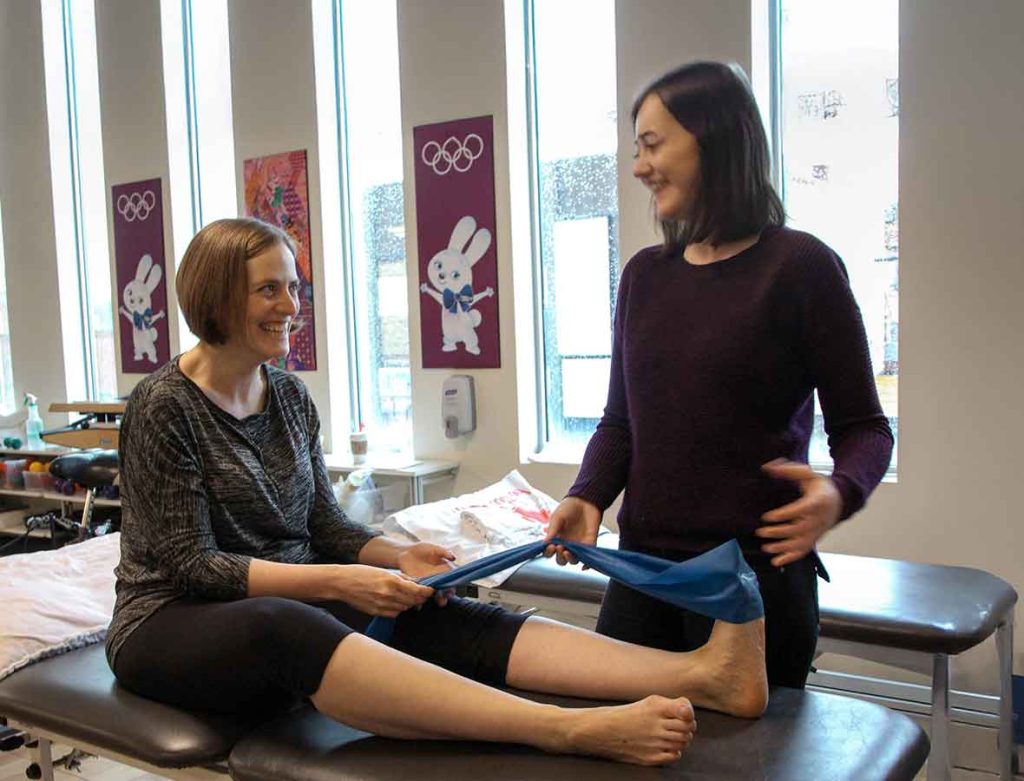
Physiotherapist with patient

Supporting Your Practice Success 

The Annual Fee Guideline Review ensures that physiotherapists have access to current, relevant fee guidance. This review process examines market trends, practice realities, and member needs, to deliver a tool that serves our profession. 

This resource is designed for all physiotherapists, with particular focus on those in private practice who face daily decisions about fee structures while striving to deliver exceptional patient care and maintain sustainable businesses. 

Addressing Real Practice Challenges 

We know you’re navigating an increasingly complex practice environment. Economic pressures, changing patient expectations, insurance considerations, and evolving service delivery models all impact how you structure your fees. Without current guidance, it becomes challenging to make confident decisions that balance patient accessibility with practice sustainability. 

The private practice landscape doesn’t stand still, and neither should the resources that support your success. 

How Your Input Drives Meaningful Updates 

Our annual review process is built on member engagement. We’re seeking your insights through a survey that explores your current fees, fee models, and experiences using the Fee Guideline as an advocacy tool in your practice. 

This data collection allows us to continue to evolve and modify the Guideline with your real-world experience as the foundation. 

The Value You Receive 

By participating in this annual review, you gain: 

  • Evidence-based fee guidance that reflects current market conditions 
  • A powerful advocacy tool to support conversations with patients, insurance providers, and other stakeholders 
  • Professional confidence in your fee decisions, backed by peer input 
  • Practice sustainability support that helps balance patient care with business viability 
  • Community connection through shared insights and collective professional growth 

Your Participation Matters 

The survey takes just minutes to complete but provides invaluable insights that strengthen our entire profession. Your responses help us understand emerging trends, identify challenges, and ensure the Fee Guideline remains practically relevant for diverse practice settings across Ontario. 

By participating, you are actively contributing to a resource that supports thousands of physiotherapists in delivering quality care while maintaining sustainable practices. 

Looking Forward 

Stay tuned for updates this fall as we compile insights, analyze trends, and prepare the updated guideline. This collaborative approach ensures the Fee Guideline continues evolving as a relevant, practical tool that serves our growing professional community. 

Supporting Your Professional Journey 

This annual review exemplifies why OPA exists: to provide physiotherapists with the tools, resources, and support needed to thrive in all practice settings. Whether you’re establishing fees for a new service, advocating with insurance providers, or simply ensuring your practice remains sustainable, the Fee Guideline serves as your professional foundation. 

Ready to contribute? Complete the survey today and help shape the resource that supports our profession’s future. 

Surgical Centres

August 15, 2025

Surgical Centres 

As previously announced, the Government of Ontario is moving forward with a plan to provide insured orthopaedic services, specifically hip and knee joint replacements, in community-based settings. 

 The Call for Applications to propose an Integrated Community Health Service Centre (ICHSC) that includes orthopaedic services has opened, with applications due August 27, 2025, at 11:59 pm EST. 

OPA continues to advocate for increased clarity and transparency on the requirements and the bundled facility fee that funds rehab care for patients  related to their surgery.  A major concern is that these bundled fees are lower than the current fees for hospital-based surgeries, and it is not clear how this change will impact the financial sustainability of essential rehab services. ICHSC applicants need to understand the value of physiotherapy care that is included in the bundled fee.  Physiotherapy clinics cannot afford to provide services to patients below market rates.  Ensuring that physiotherapy remains appropriately integrated and publicly-funded as a core component of care in these centres is vital for maintaining health system quality and equity across Ontario. 

As part of the application process, prospective licensees are required to demonstrate partnerships with rehabilitation providers, which may include physiotherapists.  

For more information on the Call for Applications, please visit the Government of Ontario’s website

How You Can Support OPA’s Advocacy 

Your input will help OPA continue to advocate effectively for the integration and appropriate compensation of physiotherapy services in this evolving healthcare landscape and ensure that patients receive comprehensive care throughout their orthopaedic surgical journey. 

OPA would like to hear from you about your participation in the application process.  We will inform our advocacy by understanding how physiotherapy services are represented in the applications, which may include details about reimbursement rates or how an episode of care is defined.   Please share your feedback below.

OPA will continue to monitor developments and provide updates to members as this initiative progresses. 

Advocacy at OPA’s Summer Home Care Advisory Committee

July 16, 2025

OPA’s four clinical advisory committees meet quarterly, and in their recent June meetings, engaged in thoughtful and informative discussions around several advocacy items.

The Home Care Advisory Committee met on June 18, 2025 and focused its advocacy discussions on:

  • addressing compensation disparities within the sector—particularly between physiotherapists and occupational therapists
  • and addressing the need for public education on the role of physiotherapy in home care.

The committee also explored strategies to optimize service delivery through better role clarity, targeted recruitment for broader representation, and raised concerns about the exclusion of rehabilitation services in new healthcare infrastructure planning. 

Advocacy at OPA’s Summer Primary Care Advisory Committee

July 16, 2025

OPA’s four clinical advisory committees meet quarterly, and in their recent June meetings, engaged in thoughtful and informative discussions around several advocacy items.

The Primary Care Advisory Committee met on June 23, 2025 and focused its advocacy discussions on:

  • promoting fair compensation for physiotherapists across sectors
  • supporting the integration of physiotherapy into primary care through new and repurposed roles
  • preparing to influence future funding opportunities.
  • The committee also emphasized the importance of musculoskeletal care as a key advocacy message, explored opportunities for private-primary care partnerships, and discussed strategies to align physiotherapy roles with the goals of the new Primary Care Act. 

Advocacy at OPA’s Summer Hospital Advisory Committee

July 16, 2025

OPA’s four clinical advisory committees meet quarterly, and in their recent June meetings, engaged in thoughtful and informative discussions around several advocacy items.

The Hospital Advisory Committee met on June 17, 2025 and focused its advocacy discussions on addressing:

  • critical recruitment and retention challenges for physiotherapists and PTAs in hospitals
  • emphasizing the need for formal strategies, mentorship programs, and equitable incentives comparable to other health professions.
  • The committee also discussed the impact of the proposed removal of provisional practice on hospital hiring and highlighted rising patient acuity as a pressing issue requiring improved staffing models and coordinated discharge planning. 

Advocacy at OPA’s Summer Private Practice Advisory Committee

July 16, 2025

OPA’s four clinical advisory committees meet quarterly, and in their recent June meetings, engaged in thoughtful and informative discussions around several advocacy items.

The Private Practice Advisory Committee met on June 26, 2025 and focused its advocacy discussions on several key areas:

  • responding to the College of Physiotherapists of Ontario’s consultation on provisional registration
  • advancing a strong position on Jordan’s Principle in partnership with the Chiefs of Ontario
  • advocating for changes in the FSRA auto sector system
  • planning updates to the Fee Guideline to better support equitable and informed physiotherapy practice across the province

Rehabilitation Services related to ICHSC Hip & Knee Procedures 

July 15, 2025

Background: What Are ICHSCs? 

Integrated Community Health Service Centres (ICHSCs) are a new model of community-based, publicly funded surgical and diagnostic care, initiated by the Ontario government in early 2023. These centres aim to increase access to timely, high-quality surgical procedures such as cataract surgeries, MRI/CT imaging, and orthopedic surgeries—including hip and knee replacements—by shifting select procedures out of hospitals and into independent community-based facilities. The goal is to reduce surgical backlogs, improve wait times, and enhance patient outcomes through integrated and coordinated care. 

Why It Matters to Physiotherapists and Communities 

This shift has important implications for physiotherapists and communities across Ontario as community based surgical centres open their doors to patients. As ICHSCs become operational, there will be a need for community-based physiotherapists to provide post operative rehabilitative care following surgery. This post-operative service model is different from the hospital-based model.   

For communities, particularly those facing long surgical wait times or lacking local hospital resources, ICHSCs offer an alternative opportunity for more rapid care, but it is critical to ensure that post-operative physiotherapy is appropriately integrated. Ensuring that physiotherapy is included and appropriately funded as a core component of care in these centres is vital for maintaining health system quality and equity across Ontario. 

OPA’s Work and Current Information 

For some time, the Ontario Physiotherapy Association (OPA) has been seeking clarity from the Ministry of Health regarding how post-hip and knee replacement rehabilitation will be funded in the forthcoming Integrated Community Health Service Centres (ICHSCs). ICHSCs will be responsible for providing post-surgical rehabilitation care to patients who clinically require it, and this care must be funded from within the bundled facility fee paid by the Ministry ($6,530 per hip replacement and $5,797 per knee replacement). 

As part of the application process, prospective licensees are required to demonstrate partnerships with rehabilitation providers. This may include out-of-hospital rehabilitation, in-house physiotherapy services, and home-based rehabilitation care. However, patients receiving care through an ICHSC are not eligible for one or more Episodes of Care under the Community Physiotherapy Clinic Program. 

There is currently no provision or requirement for applicants to offer funded pre-operative physiotherapy. However, licensees are required to “organize appropriate pre-operative planning and assessment.” 

Physiotherapists can expect to be approached in the coming days by applicants seeking to form agreements for the delivery of post-operative rehabilitation and potentially pre-operative planning and assessment for patients, contingent on the applicants’ success in securing a licence. 

OPA will continue to monitor developments and advocate for the role of physiotherapy in this evolving healthcare landscape. 

OPA Advocates for More Physiotherapists in Primary Care Teams

July 11, 2025

First contact roles for physiotherapists, who independently diagnose and manage musculoskeletal conditions, have demonstrated effectiveness in improving patient outcomes and reducing healthcare costs. Despite their effectiveness in primary care, many primary care teams in Ontario do not have physiotherapists on staff.  

  • Approximately 20-30% of primary care visits are for musculoskeletal conditions 
  • Based on clinical experience in physiotherapy in primary care settings and suggested attachment rates for physicians, OPA estimates that a physiotherapist on an interprofessional primary care team can increase attachment rates by approximately 250 active patients, or 425 total rostered patients (on average). 

Why This Matters 

Physiotherapists are critical members of interprofessional primary care teams, and increasing the number of primary care physiotherapists in Ontario is an essential step towards improving health system capacity and bringing comprehensive and convenient care to more people in Ontario.   

It also means that more physiotherapists will be able to work to their full scope of practice while spreading awareness among healthcare teams and communities about the role and value of physiotherapists. 

How OPA Advocates 

We are collaborating with primary care organizations and advocacy groups, which looks like:  

  • Supporting proposals to help make the case for PTs joining the team 
  • Supporting primary care organizations with recruitment and retention strategies 
  • Collaborating with  
  • the Primary Care Action Team 
  • Ontario Health Teams 
  • the Association of Family Health Teams of Ontario 
  • the Alliance for Healthier Communities 

We are also: 

  • Engaging directly with the Ontario Medical Association and the Nurse Practitioners Association of Ontario 
  • Adding useful materials to the Alliance of Healthier Communities Toolkit: Interprofessional Primary Care Team Expansion 

Other supports from OPA at all points of development include: 

  • Consultation on applications to the Primary Care Action Team 
  • Resources and individualized support for recruitment and retention, including job descriptions, compensation reports, interview guides, and free job postings. 

What is Going on Now 

In April, the Primary Care Action Team announced a call for proposals to fund expansion of existing primary care teams or new teams in needed geographical areas. The goal of this funding opportunity is to connect more people in Ontario to primary care teams, ultimately to have every person connected within 4 years. 

OPA’s support will continue through future cycles of funding, as having physiotherapists as part of the interprofessional primary care team is an essential step towards improving capacity and bringing connected and convenient care to more people in Ontario.