skip to content

Rehabilitation Services related to ICHSC Hip & Knee Procedures 

July 15, 2025

Background: What Are ICHSCs? 

Integrated Community Health Service Centres (ICHSCs) are a new model of community-based, publicly funded surgical and diagnostic care, initiated by the Ontario government in early 2023. These centres aim to increase access to timely, high-quality surgical procedures such as cataract surgeries, MRI/CT imaging, and orthopedic surgeries—including hip and knee replacements—by shifting select procedures out of hospitals and into independent community-based facilities. The goal is to reduce surgical backlogs, improve wait times, and enhance patient outcomes through integrated and coordinated care. 

Why It Matters to Physiotherapists and Communities 

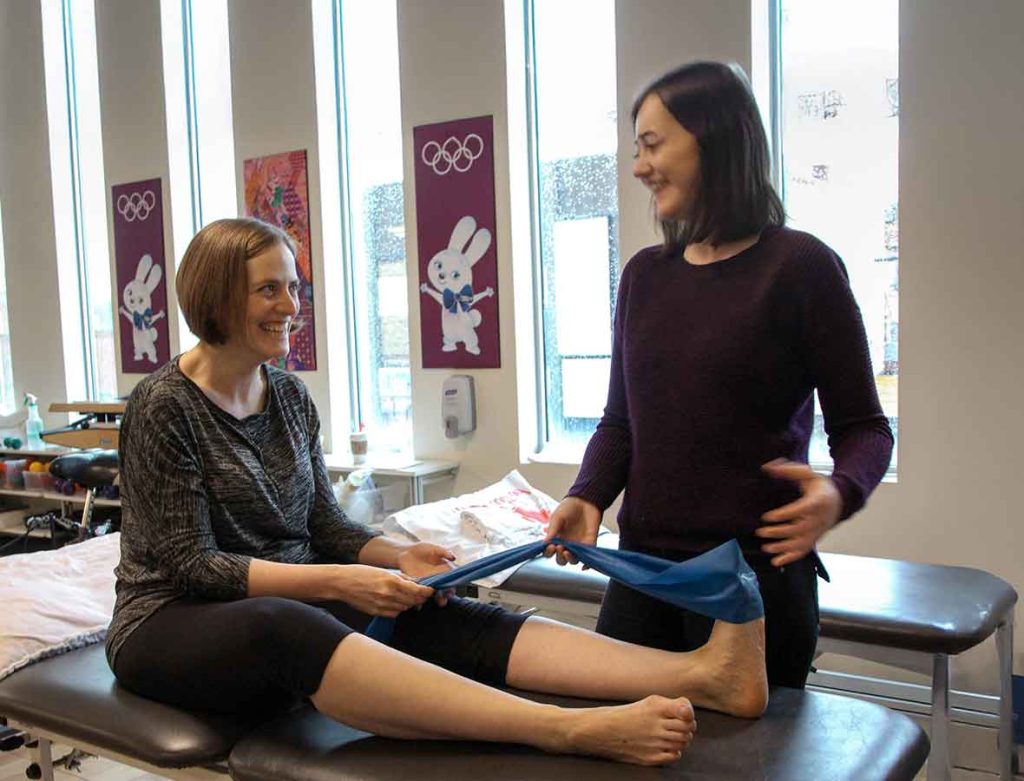
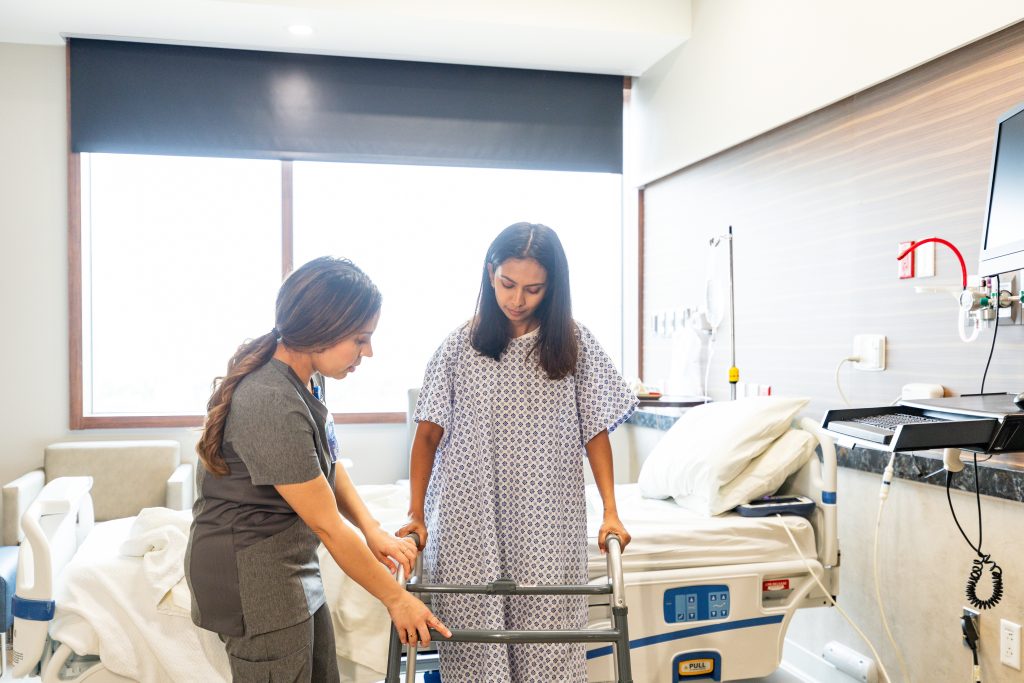
This shift has important implications for physiotherapists and communities across Ontario as community based surgical centres open their doors to patients. As ICHSCs become operational, there will be a need for community-based physiotherapists to provide post operative rehabilitative care following surgery. This post-operative service model is different from the hospital-based model.   

For communities, particularly those facing long surgical wait times or lacking local hospital resources, ICHSCs offer an alternative opportunity for more rapid care, but it is critical to ensure that post-operative physiotherapy is appropriately integrated. Ensuring that physiotherapy is included and appropriately funded as a core component of care in these centres is vital for maintaining health system quality and equity across Ontario. 

OPA’s Work and Current Information 

For some time, the Ontario Physiotherapy Association (OPA) has been seeking clarity from the Ministry of Health regarding how post-hip and knee replacement rehabilitation will be funded in the forthcoming Integrated Community Health Service Centres (ICHSCs). ICHSCs will be responsible for providing post-surgical rehabilitation care to patients who clinically require it, and this care must be funded from within the bundled facility fee paid by the Ministry ($6,530 per hip replacement and $5,797 per knee replacement). 

As part of the application process, prospective licensees are required to demonstrate partnerships with rehabilitation providers. This may include out-of-hospital rehabilitation, in-house physiotherapy services, and home-based rehabilitation care. However, patients receiving care through an ICHSC are not eligible for one or more Episodes of Care under the Community Physiotherapy Clinic Program. 

There is currently no provision or requirement for applicants to offer funded pre-operative physiotherapy. However, licensees are required to “organize appropriate pre-operative planning and assessment.” 

Physiotherapists can expect to be approached in the coming days by applicants seeking to form agreements for the delivery of post-operative rehabilitation and potentially pre-operative planning and assessment for patients, contingent on the applicants’ success in securing a licence. 

OPA will continue to monitor developments and advocate for the role of physiotherapy in this evolving healthcare landscape. 

Happy National Physiotherapy Month 2025!

May 27, 2025

At Queens Park, MPP France Gélinas took time to wish the entire physiotherapy community a very happy National Physiotherapy Month, along with OPA CEO Sarah Hutchison.

CPO General Regulation Consultation – Removal of Provisional Practice Class 

June 10, 2025

The College of Physiotherapists of Ontario recently closed a consultation on proposed changes to the general regulation, including removal of the provisional practice certificate class.   

OPA reviewed the proposed changes, collected feedback from the physiotherapy community, and submitted a response to the College. In our response, we highlighted risks and challenges with removing the provisional practice class, including health human resource implications, challenges for internationally educated physiotherapists, equity and accessibility of a single examination, and the need for emergency preparedness and response protocols.   

Meeting with Premier Doug Ford & Minister of Health Sylvia Jones

May 8, 2025

On May 8, President Courtney Bean joined Isaac Taylor, Physiotherapist to meet with Premier Ford and Minister of Health, Sylvia Jones, advocating and engaging on issues that really matter to the profession. This meeting provided the opportunity to talk about how physiotherapists can make an impact on ER wait times, the role of first contact physiotherapists in expanding access to primary care, integrated community care and transitions between hospital and home, and of course of critical importance – expanding scope of practice for physiotherapists across Ontario.   

Minister Jones heard and understood the priority of the profession in advancing Scope of Practice in Ontario and we remain optimistic that this will progress to implementation over the course of the summer. We want to thank Minister Jones for acknowledging National Physiotherapy Month and thanking PTs for their contributions to the Ontario health system.   

At OPA, this opportunity is core to our mission and our commitment to influence and shape decisions that affect the profession and the patients you treat across the province. 

Jordan’s Principle – What Ontario Physiotherapists Need to Know

June 17, 2025

If you work with First Nations children, you may have experienced the frustration of months spent waiting for contract renewals, compensation delays, and approval processes that seem to change without notice; administrative backlogs preventing First Nations children from accessing the physiotherapy services they need. 

This goes against everything Jordan’s Principle was designed to address, and OPA has developed a position statement advocating for reform to the processes that create systemic barriers. 

Who Was Jordan? 

Jordan River Anderson “was a member of the Norway House Cree Nation. Born in Manitoba on October 22, 1999, he lived with a rare genetic disorder that required intensive medical care” (Canada’s Residential Schools: The Legacy, 2015). 

At age two, he was medically cleared to go home with support services. But the federal and provincial governments couldn’t agree on who should pay for his care. Jordan waited in the hospital for three more years, dying at age five without ever spending a day at home, not because he was too sick to leave, but because of a funding dispute. 

What Jordan’s Principle Means 

Jordan’s story led to the creation of Jordan’s Principle in 2007, a human rights principle “that guarantees timely access for status and non-status First Nations children to all public services without delay due to jurisdictional disputes, and comparable services to those provided to non-First Nations children.” (Canada’s Residential Schools: The Legacy, 2015)
 

The Current Reality 

Despite this principle, OPA continues to hear from rehabilitation providers who struggle with: 

  • Contract renewals dragging on for months 
  • Administrative backlogs preventing timely access to care 
  • Compensation delays 
  • Lack of clear communication about how issues will be resolved 

These challenges directly impact the First Nations children and families who depend on physiotherapy services. 

What OPA Is Doing 

Recognizing these challenges, OPA has developed a position statement advocating for improved Jordan’s Principle processes. 

With Indigenous Services Canada committed to reforming the administration, OPA is pushing for: 

  • Reduced systemic barriers that prevent access to physiotherapy services 
  • Culturally safe service delivery with collaborative community co-design 
  • Continuity of care through longer-term contracts with trusted partners 
  • Increased administrative capacity with transparency to address backlogs 
  • Recognition of physiotherapy as essential preventive and early intervention care 

Why This Matters 

Jordan’s Principle addresses barriers and biases that create gaps in service access for Indigenous children. When administrative obstacles prevent First Nations children from getting needed physiotherapy, we perpetuate health disparities rooted in historical policies and systemic biases. 

As physiotherapists, your expertise helps children overcome physical challenges and participate fully in their communities. Prompt access to physiotherapy prevents complications, reduces pain and dysfunction, and enables children to return to school, play, and home activities with improved function. 

Moving Forward 

Work to improve the implementation of Jordan’s Principle continues. First Nations children require timely access to the same quality of care available to other Canadian children. As physiotherapists, you play a crucial role in supporting improved access to care. 

OPA continues to support and advocate for physiotherapists working in this area, ensuring that systemic improvements benefit both practitioners and patients. Learn more about Jordan’s Principle 

Reference

Canada’s Residential Schools: The Legacy. (2015). The Final Report of the Truth and Reconciliation Commission of Canada, Volume 5. McGill-Queen’s University Press. https://core.ac.uk/download/480182666.pdf

Courtney Bean, OPA’s President Message – March 2025

March 26, 2025

Watch Courtney Bean, Physiotherapist and OPA’s President share highlights from InterACTION 2025. InterACTION is OPA’s annual conference, bringing together physiotherapists, physiotherapy residents, physiotherapist assistants and students from across the province.

Scope of Practice & Labour Mobility

May 7, 2025

OPA applauds MPP France Gélinas (Nickel Belt) for her strong comments in the Ontario Legislative Assembly on April 30, 2025, in support of implementing outstanding scope of practice elements for physiotherapists. As a physiotherapist herself, Mme Gélinas knows the beneficial impacts of PTs gaining the authority to order diagnostic imaging and laboratory tests.  

Mme Gélinas said:

“Back in December of 2009, we voted in this House in favour of changes to the scope of practice of physiotherapists. Why? Because the scope of practice in other provinces had changed. It was time for Ontario to do the same … we are in 2025 and those changes have not been implemented.” 

Her comments were in response to Bill 2, the Ontario Free Trade and Mobility Act, 2025, which would allow workers registered in other Canadian jurisdictions to work ‘as of right.’ Currently, only certain healthcare professionals (physicians, nurses, respiratory therapists, and medical lab technologists) are included; Bill 2 proposes adding physiotherapists to this list. 

OPA’s submission on Bill 2 supports improved ease of PTs across Canadian jurisdictions, while also highlighting how the implementation of outstanding scope of practice changes, specifically the authority for PTs to order diagnostic imaging and laboratory tests, must be completed to prevent a drain of PTs from Ontario to other jurisdictions with fewer limitations in scope.  

Mme Gélinas raised the same concerns as OPA and spoke powerfully on the risks of PTs moving to other provinces and territories if scope of practice is not harmonized across Canada. She spoke to the competencies of physiotherapists in relation to ordering diagnostic tests, to the success of other jurisdictions that have streamlined the process, the benefits to patients, and the improved access, especially for people without a primary care physician or NP. 

For the full text of France Gélinas’ comments, see the Hansard transcript of the OLA for April 30, 2025, pages 238-240.  

Celebrating Black History Month 2025

February 6, 2025 

The Ontario Physiotherapy Association (OPA) proudly recognizes Black History Month, celebrating the achievements and impact of Black physiotherapists, physiotherapy residents, students, and physiotherapist assistants. Their dedication continues to shape the profession, advance patient care, and strengthen our healthcare system. 

The 2025 theme, “Black Legacy and Leadership: Celebrating Canadian History and Uplifting Future Generations,” highlights the diversity of Black Canadians, the importance of Black leadership, and the lasting contributions being made for future generations. 

We encourage everyone to visit the government website to access resources and explore the history of Black Canadians, including trailblazers in healthcare. 

National Day for Truth & Reconciliation 2023

September 25, 2023 

September 30 is a federal statutory holiday commemorating the National Day for Truth and Reconciliation. 

It is also a recognized as Orange Shirt Day, an Indigenous-led grassroots commemorative day inspired by the story of Indian Residential School Survivor Phyllis Webstad. On this day people across the country wear orange shirts to create awareness about the inter-generational impact of Residential Schools and to create awareness of the concept that “Every Child Matters”. 

Truth and Reconciliation Week – Lunch and Learns Open to All 

The National Centre for Truth and Reconciliation, offers a national program Truth and Reconciliation Week 2023 from September 25-30. Everyone can participate in 5 daily lunch and learns for “an immersive experience to UN-learn the myths of colonial history in Canada.”