skip to content

OPA Advocates for the Bundled Care Program for Knee, Hip and Shoulder Arthroplasty

About the Bundled Care Program

The Ontario Ministry of Health (MoH) implemented the Bundled Care Program for hip and knee arthroplasties in 2018. Under this initiative, a single payment is given to a provider to cover the costs of an episode of health care (i.e., from surgery to inpatient stay to rehabilitation) across multiple settings and providers (Ontario Hospital Association Bundled Care). The Bundled Care Program was expanded in 2019 to included shoulder arthroplasties.

In this model, community physiotherapist clinics hold contracts to deliver the required outpatient rehabilitation care. The “Bundle holder” is the provider that receives funding from the MoH (typically the hospital where the surgery takes place). The “Bundle provider” is the clinic or physiotherapist who holds contracts with the Bundle holder to deliver physiotherapy to patients referred through the program.

Ministry Program Review

The MoH invited OPA to participate as a key informant in an independent program review of the Bundled Care Program. The purpose of the program review is to identify strengths, challenges, and opportunities for improvement, and to support the Ministry in decisions regarding the program’s scope and long-term direction. The review is being completed by Nous Group Canada, an independent consulting firm.

Member Consultation

To inform the OPA’s contribution to the review of the Bundled Care Program, OPA provided two opportunities for members to provide feedback. Members were invited to complete an online survey, and/or to participate in focus group hosted by OPA. During OPA’s consultation with Nous group, Nous identified that it would be helpful to connect directly with individuals delivering the bundled care program. OPA facilitated the connection to members for a focus group.

What We Heard and Shared

The survey was open from September 16 until September 28, 2026, with 43 respondents. There was representation across all six Ontario Health Regions, with most representation from the West (35%), followed by Central (26%). Most respondents were clinic owners who are “Bundle providers” (52%), followed by clinicians (30%) who deliver care within the bundled care program, and other respondents (18%) included clinic directors and managers who oversee services delivered within the Bundled Care Program. Five people also participated in the focus group hosted by OPA.

What is Working Well

1. Access to Publicly Funded Care

The main strength of the program was identified as being access to publicly funded physiotherapy for all patients who undergo joint replacement surgery for the hip, knee or shoulder. Because there are limited options for publicly funded physiotherapy, the Bundled Care Program ensures that all patients who undergo an arthroplasty have access to some essential physiotherapy care.

2. Local Access to Post-Surgical Rehabilitation

Respondents also noted that the Bundled Care Program promotes local access to care, since the program is delivered through local physiotherapy clinics which have an agreement with the Bundle Holder. and which the patient can choose from. Fair and reasonable choices based on geography was identified as a significant strength.

3. Streamlined Referral Process

Lastly, most respondents identified that the referral process from the “Bundle holder” to the “Bundle provider” was relatively seamless, with most receiving referrals via email, which promoted timely and easy access to care for patients.

What are the Issues

1. Funding and Compensation

Respondents identified the funding model as the biggest limitation of the Bundled Care Program. When the program began in 2019, many “Bundle holders” set the rate of compensation for both hip and knee arthroplasty at $312, and although some contracts have evolved to upwards of $400 per procedure, many have not moved from the original fee. The current rate of $486 per shoulder arthroplasty is also highly variable across “Bundle holders”. The current funding model poses an issue on several fronts.

  1. Funding does not align with the recommended number of sessions per procedure. Knee arthroplasties are recommended to receive 12 to 14 sessions, while hip arthroplasties are recommended to received 4 to 8 sessions, but both are compensated at the same rate of $312 (see Table 1). When shoulder arthroplasties were added a year later, the compensation per procedure was higher at $486, but the recommended number of sessions per procedure falls between the recommended number of hips and knees, at 8 to 12 sessions. To support recommended provincial clinical best practices, the funding needs to reflect the amount of service, i.e., more sessions equal more funding.
  1. Funding has not kept pace with operating costs. The funding of $312 to bundle providers has stayed the same since inception of the program (2019), however operating costs for service delivery have increased every year, creating a widening gap between Bundled Care Program funding and current market rates for physiotherapy (see Table 1). There has been a slight increase for only some bundle holders, but the maximum reported by survey respondents was $400 per procedure and this is not consistent across bundle providers. Even at this rate, the gap with current market rates is making it increasingly difficult for “Bundle holders” to deliver the recommend services to optimize patient outcomes.

“The fees do not cover our physiotherapy costs, the minimal budget does not provide adequate coverage for the amount of physiotherapy post (surgical) outpatient need, and the current physiotherapy fee rates the physiotherapists charge and should be respectfully considered.”

Table 1. The gap between Bundle Care Program Funding and Market Rate Physiotherapy Fees 
surgery typerca recommended sessionscurren t bundleper-session equivalent rate*30-minute market rate average**rate gapbundle fundling based on market rate***
Total Knee 12-14 $312 $22-$26 $90 71-75% $1080- $1260 
Total  Hip 4-8 $312 $39-$78 $90 13-57% $360 – $720 
Total Shoulder 8-12 $486 $41-$61 $90 33-55% $720 – $1080 

*Based on recommended number of sessions by the Rehab Care Alliance (https://rehabcarealliance.ca/wp-content/uploads/2026/04/TJR-Framework.pdf) 

**Based on the Ontario Physiotherapy Association 2026 Market Rate Report 

***For service delivery only; 30-minute rate; does not include completion of outcomes measures

  1. Funding agreements vary across Ontario. The variation in funding agreements among “Bundle holders” in the province has created discrepancies in access to publicly funded care. Although it was initially intended that “Bundle providers” could negotiate compensation with the “Bundle holders”, it is necessary to recognize that this has been nearly impossible due to the large power differential between hospitals with large operating budgets and small community businesses.

For clinics to participate in the program, and make care accessible to their communities, they have needed to accept insufficient compensation. It is necessary that there be standardized Bundled Care Program funding across the province, with regular adjustments for inflation and operating costs to deliver the program, to maintain access to care.

“The funding of $312 and an expectation to give 6 visits are unrealistic. We actually quit offering this service since the hospital would not negotiate a better plan with us.”

  1. Patient outcomes are impacted. Beyond access challenges, respondents to the survey identified the impact of insufficient funding on patient care. Rehabilitation is a spectrum – the goal is always to help patients meet their goals. However, this is not always possible within the funding model. The impact? Patients will have poorer outcomes. They have more pain, less mobility in their joint, and insufficient strength to participate in their daily activities, putting them at higher risk for loss of independence and falls.

“Too little funding, physiotherapists aren’t compensated well enough for the time it takes to rehab patients, or patients are discharged before they’ve met their major goals.”

“Funding does not reflect the level of care required to optimize post-surgical outcomes.”

This is especially true for more complex patients with higher levels of pre-surgical impairment – there is no mechanism on the current funding model to account for higher complexity and morbidity requiring more intensive rehabilitation.

OPA has also flagged that with the expansion of services through Integrated Community Health Services Centres, it is essential to ensure consistent funding approaches across settings. Furthermore, with an increase in same day surgeries, the hospitals costs are reducing providing an opportunity to reprofile the bundled care funding to rehabilitation.

2. Invoicing and Payments

Respondents also identified challenges with invoicing and payments. Specifically, there are concerns regarding delays in receiving payments for invoiced services.

“Excessive delays in receiving payment on invoiced services for bundled care (currently payment is not received for 3-5 months after care if provided)”

Bundle providers also noted that every bundle holder has a different payment system – some via electronic funds transfer, and some via cheques. Bundle providers may hold contracts with different bundle holders which adds a significant amount of administrative burden.

“Dealing with all the hospitals, separate protocols, chasing them for payment, all the different criteria and paperwork that each one requires.”

3. Communication

Respondents also identified that communication with bundle holders can be challenging, in particular when a patient requires readmission. It was also noted that consistently updated resources for clinics involved in the bundled care program would support access.

Recommendations to the Ministry of Health

OPA recommends that the Ministry of Health continue with the Bundled Care Program to ensure that patients continue to have streamlined access to publicly funded local rehabilitation services following joint arthroplasty. OPA recommends that the following be considered:

  1. Increase outpatient rehabilitation funding: Bring funding closer in line with current market rate physiotherapy fees. This will ensure program sustainability by ensuring operating costs are covered, and ensure patients achieve their rehabilitation goals.
  1. Align funding with recommended sessions: Base funding on the recommended session numbers in the RCA best practice guidelines per procedure
  1. Compensate administrative work: Include compensation for administrative costs of completing outcome measures and reporting in NACRs Clinic Lite
  1. Add risk stratification to funding model: Consider a mechanism for risk stratification of patients (ie. same day vs. inpatient); and ability to add additional funding when required by patient complexity and outcomes
  1. Standardize funding: Ensure a consistent model of funding across existing Bundle Holders and emerging Integrated Community Health Services Centres
  1. Streamline invoicing and reporting: Develop a central (or regional) agency/portal for invoicing and reporting. At minimum, develop standards for each bundle holder in terms of referral processes, invoicing processes, payment methods, and time frame for payment to clinics.
  1. Review outcome measure reporting requirements: Review the requirements for outcome measure completion and streamline where possible

Beyond Bundled Care: Ontario Needs a Musculoskeletal Strategy

Although beyond the scope of this current consultation, OPA took the opportunity to identify the need for a broader approach to musculoskeletal care in Ontario. The number of total knee arthroplasties and total hip arthroplasties has increased by 186% and 226% respectively – requiring a significant investment in healthcare dollars.

However, surgical intervention for the management of osteoarthritis (OA) is the third tier of treatment. The first- and second-line treatments of care are much less costly, and can divert and/or delay surgery, but are inaccessible to many in Ontario, due to limited public funding for physiotherapy services.
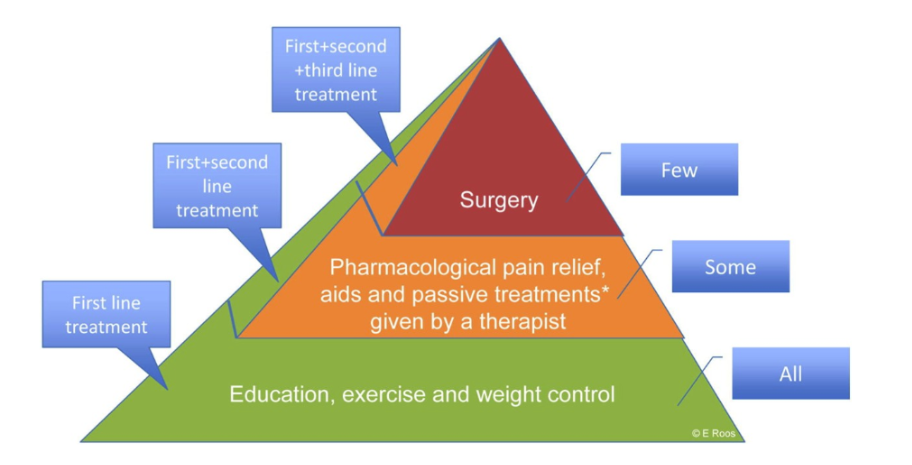
OPA recommends that while addressing the current funding shortfalls of the Bundled Care Program, the province would also benefit from a review of the overall management of osteoarthritis in the province to ensure the most cost-effective approach. Best practices for OA include first line treatment of education, exercise, and weight control. Although access to these front-line services in the public system are currently limited, the province is well poised to strengthen and expand on several existing programs to promote earlier access to non-surgical care, namely:

1. Physiotherapists in Primary Care Teams

Expanding access to physiotherapists in primary care teams through the Primary Care Action Team funding, where physiotherapists can act as first contact providers, and support early diagnosis and non-surgical management of osteoarthritis.

2. Provincial Hip and Knee OA Management Pilot

Expanding and increasing funding for the provincial pilot of the GLAD (Good Life with Arthritis Canada) Program, currently available in Toronto, Champlain and North West region.

3. Community Physiotherapy Clinic Program

Increasing access to comprehensive musculoskeletal assessment and treatment through the Community Physiotherapy Clinic Program, promoting access to care for seniors, and for those in rural and remote communities.

Taken together, the strengthening of these programs will improve non-surgical care and management of OA and reduce the overall costs of surgical management. OPA strongly recommends that the Ministry of Health create a comprehensive provincial strategy for the management of osteoarthritis, including all three tiers of treatment.

What’s Next

OPA would like to thank everyone who contributed to our consultation regarding the Bundled Care Program. If you have any questions or comments, please reach out to Emily Stevenson, Director of Practice and Policy at estevenson@opa.on.ca. OPA is committed to sharing back any information from the outcomes of the Ministry of Health review.
Elevate 2026: Shaping the Future of Physiotherapy in Ontario 

OPA Leaders and Stakeholders Come Together to Imagine What’s Next 

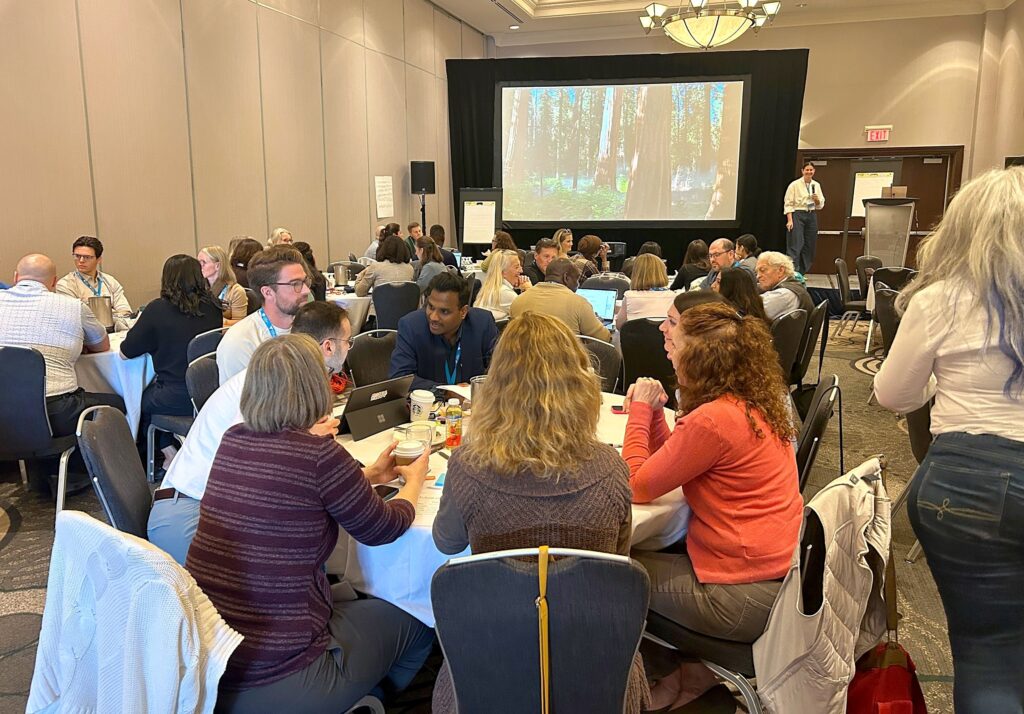
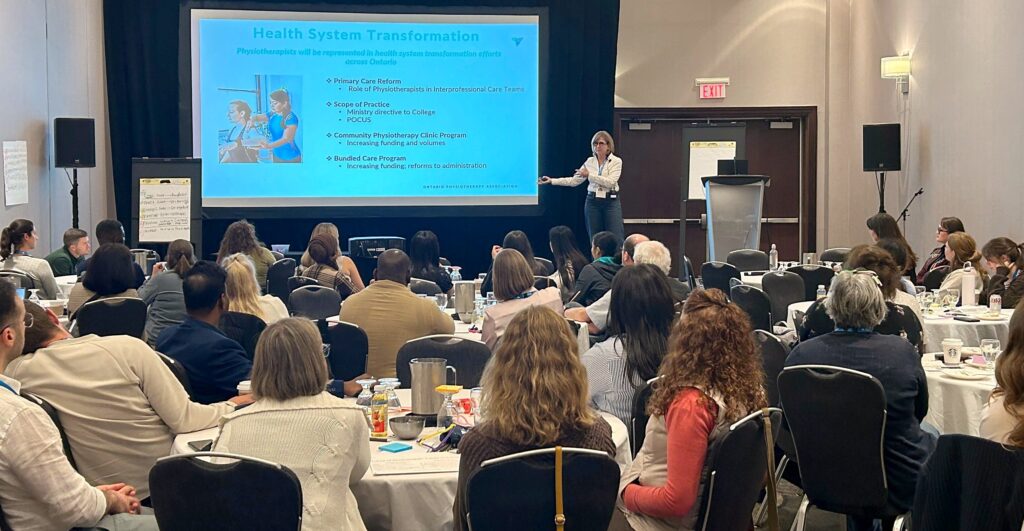
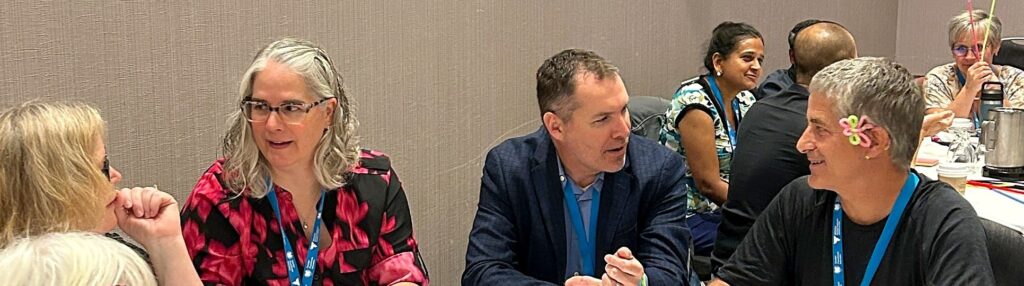
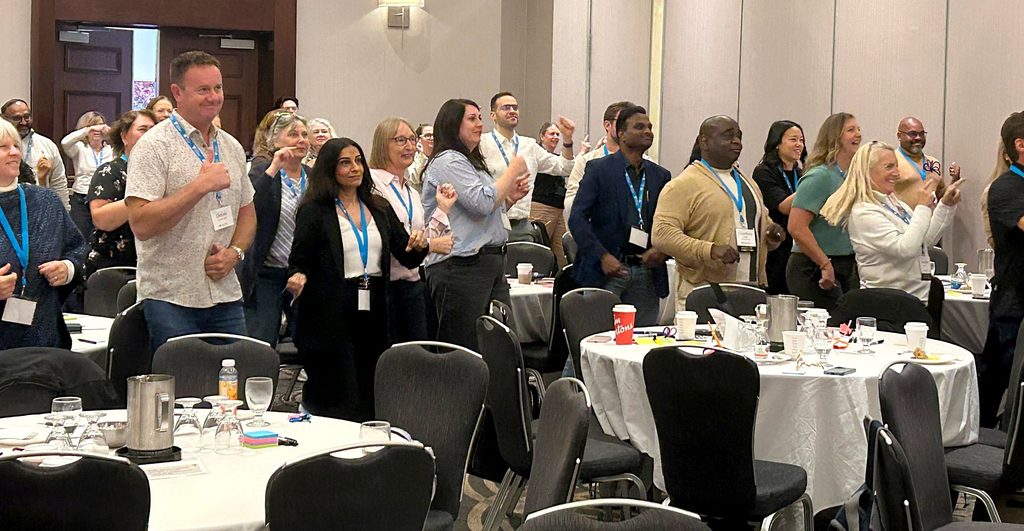
On October 3, 2026, the Ontario Physiotherapy Association (OPA) hosted a first of its kind event. ‘Elevate’ was designed specifically for OPA members who have contributed their time and expertise to the work of the Association. This included current and past members of the Board of Directors, District executives, Committee members, and those who participated in Working Groups and other OPA initiatives.  

OPA developed Elevate to build on the amazing talents and contributions of our engaged members. We built opportunities for networking and collaboration and to gather their insights to help shape the profession’s future. A key question also guided the event:

What role will physiotherapy and OPA play in the future of healthcare? 

At a time when technology is transforming every aspect of how care is delivered, OPA challenged attendees to consider the opportunities that lie ahead. How can the Association best support its members and advocate for the future of physiotherapy care?  

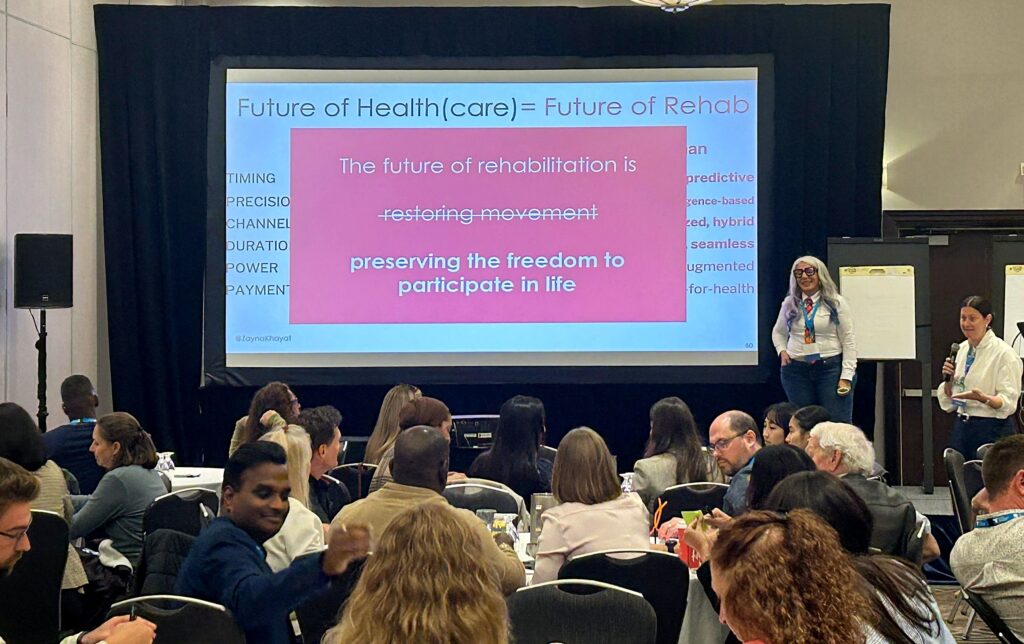
Elevate 2026 Keynote Speaker Zeyna

Keynote Speakers

Healthcare futurist, Zayna Khayat, and physiotherapist, scientist and leader, Laura Desveaux, led attendees to explore how physiotherapy can help shape a healthcare system that is not only more efficient, but more personalized, predictive, and proactive. These discussions will directly link to what OPA focuses on in developing our upcoming strategic plan. 

Physiotherapists Uniquely Positioned  

One message throughout the day was clear: healthcare is approaching a significant inflection point. While today’s healthcare system is largely designed to respond to illness and injury after they occur, emerging technologies are creating opportunities to identify risks earlier, support prevention, and preserve health before more intensive interventions become necessary. Physiotherapists are uniquely positioned within this shift. 

The Ontario healthcare system, funding and service delivery models have always focused on “sick” care. We treat injuries after they occur. We intervene after chronic conditions progress. We often only support patients after injury or functional decline has already occurred.  

The future model focuses on keeping people healthy, mobile, and independent longer through early intervention, better data, and more personalized care. This is an area where physiotherapists’ strengths align with the direction of healthcare. Speakers highlighted mobility data as an emerging vital sign for assessing and monitoring healthcare needs; an area in which physiotherapists possess unique expertise. 

Unlocking the Power of Healthcare Data 

Laura Desveaux, Elevate 2026 Keynote Speaker

Keynote speakers challenged attendees to think about the growing role of data and artificial intelligence (AI) in healthcare. For physiotherapy, the implications are significant. The profession has long championed patient-centered care, recognizing that each individual presents unique goals, circumstances, risks, and needs. Greater use of healthcare data could help clinicians move beyond population normative values and provide even more tailored physiotherapy care based on an individual’s specific situation. 

The conversation was not at all about replacing clinicians with technology. Instead, the conversation focused on how technology can enhance clinical expertise and support better decision-making, helping physiotherapists deliver the right care, at the right time, for the right patient.  

From Barriers to Possibilities  

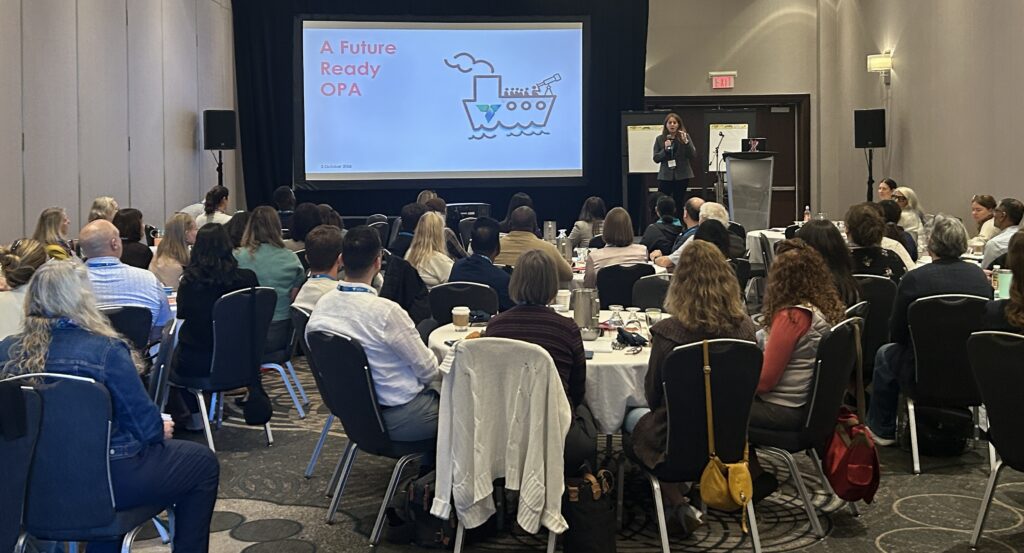
Sarah Hutchison, OPA CEO presenting at Elevate

Sarah Hutchison, CEO of OPA, led the closing session of the day. She encouraged attendees to temporarily set aside the barriers that often dominate conversations about healthcare innovation. Attendees were challenged to ask different questions, framed with a new perspective from the earlier sessions.  

Charlotte Anderson, OPA President Presenting

Charlotte Anderson, President of OPA, assisted in facilitating the afternoon session and immediately saw shifts in perspective that sparked meaningful dialogue across the room. Leaders representing clinical practice, education institutions, health system planning, and professional advocacy chimed in about possibilities that may have seemed out of reach just a few years ago. 

Attendees shared their ideas about where OPA should go next. This included focusing on emerging trends in healthcare and on addressing members’ needs and wants.   

Looking Ahead 

Elevate 2026 Past Presidents attendees

Elevate was more than a discussion about AI, technology, and trends. It was a conversation about physiotherapists as leaders. As healthcare continues to evolve, physiotherapists have an opportunity to shape systems that prioritize prevention, mobility, independence, and better outcomes for patients. The ideas generated during Elevate will inform OPA’s ongoing work to advance the profession, advocate for innovative models of care, and ensure physiotherapists remain influential contributors to Ontario’s healthcare future. Through forums like Elevate, OPA is helping ensure physiotherapists have a voice in defining what comes next. 

We Want to Hear from Everyone 

If you would like to contribute to OPA’s work, we invite you to complete our Engagement Form. It only takes 3 minutes to complete.

We are stronger together! 

It can’t wait: Funding physiotherapy would take real pressure off Ontario’s ERs

Every day in Ontario, people end up in the ER for conditions that a physiotherapist could have treated months earlier.

“Patients are coming to the emergency department every day with pain that should have been managed weeks earlier by a physiotherapist in the community setting,” said Makaila Koshurba, a physiotherapist working in a Toronto-area emergency department.

The Canadian Institute for Health Information’s latest report confirms what Koshurba is describing. Emergency room visits across Canada have climbed to 16.1 million annually, and Ontario is no exception to that trend. CIHI is explicit: the factors driving longer wait times originate outside emergency departments, including a lack of access to primary care and community-based programs.

For the one in three people living in Ontario without private insurance, or for those who cannot afford to pay out of pocket, the public system is the only option.

“Every time I come to ask for treatment on aging issues, I am told that the waiting period is about four to six months,” wrote Joe, one of nearly 2,000 people living in Ontario who have signed our petition. “Treatment is needed right away. Otherwise, the issue becomes more severe,” he added.

Without that access, seniors whose mobility is declining end up in emergency departments rather than community clinics – often for falls and joint pain that community physiotherapy is specifically designed to prevent.

CPCs Prevent an Estimated 70,000 ER Visits

Ontario has the infrastructure to address this. The Community Physiotherapy Clinic Program operates through over 200 clinics across the province, preventing an estimated 70,000 emergency department visits in Ontario annually. Each dollar invested saves four dollars in downstream health care costs, reducing falls, surgeries, specialist consultations and visits to primary care.

The program hasn’t kept pace. According to OPA’s analysis of Ministry of Health data, since 2013 Ontario’s senior population has grown by 45 per cent, the cost of living has risen by more than 40 per cent, yet referral capacity has grown by just 14 per cent. Clinics that are paid a fixed lump sum regardless of how many sessions they provide are capping services and shifting toward private clients. In some communities, when a clinic exhausts its funded referrals, the nearest alternative is hours away.

Expand Access to Community Physiotherapy

One solution to the pressure on Ontario’s ERs already aligns with commitments this government has made: no hallway medicine, aging at home, and connected care for all. Expanding access to community physiotherapy is not a new direction. It is the most direct path to delivering on the ones already announced. Ontario’s primary care strategy is also expanding team-based care, but physiotherapists are rarely part of those teams – a gap that compounds the pressure on emergency departments every day.

The evidence is clear, the infrastructure exists, and the return on investment is proven. Physiotherapists across Ontario are ready to keep people out of emergency departments. What’s needed is specific: fund the 195,000 referrals people living in Ontario require, not the 140,000 the current model covers. The program that prevents 70,000 ER visits a year cannot be allowed to collapse for want of investment. Patients like Joe cannot wait months for conditions that will only get worse. Neither can the hospitals treating them.

Sarah Hutchison, OPA's Chief Executive Officer

Sarah Hutchison, MHSc., LL.M, ICD.D

Chief Executive Officer, Ontario Physiotherapy Association   

Another Successful Donate Your Kicks Campaign! 

Donate Your Kicks Campaign 2026

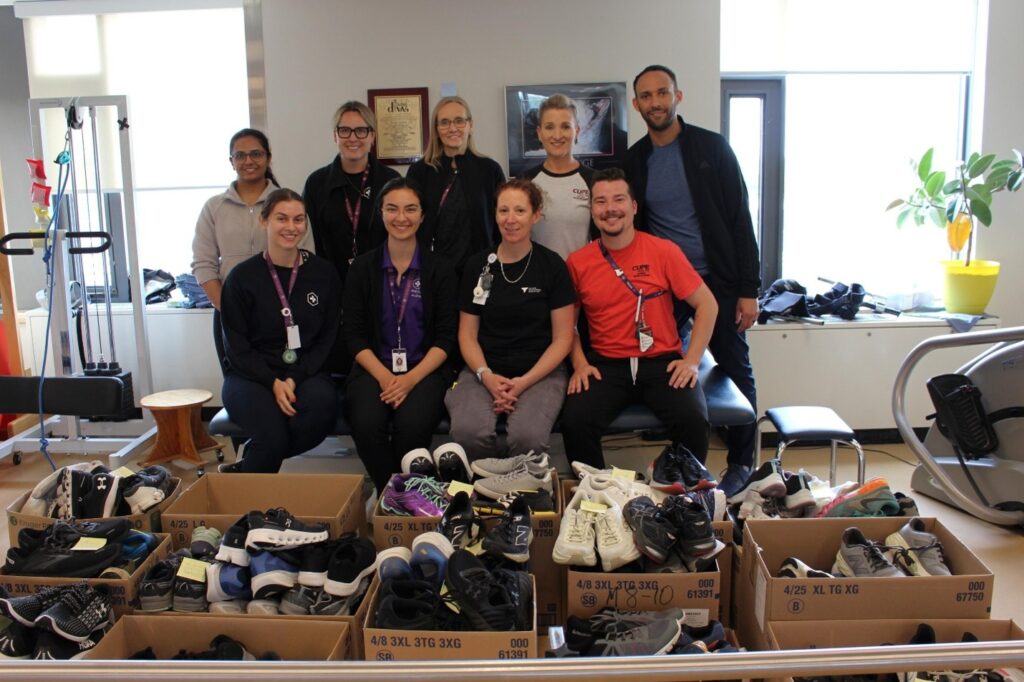
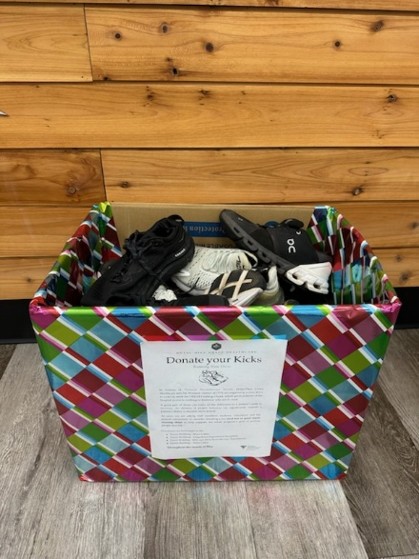
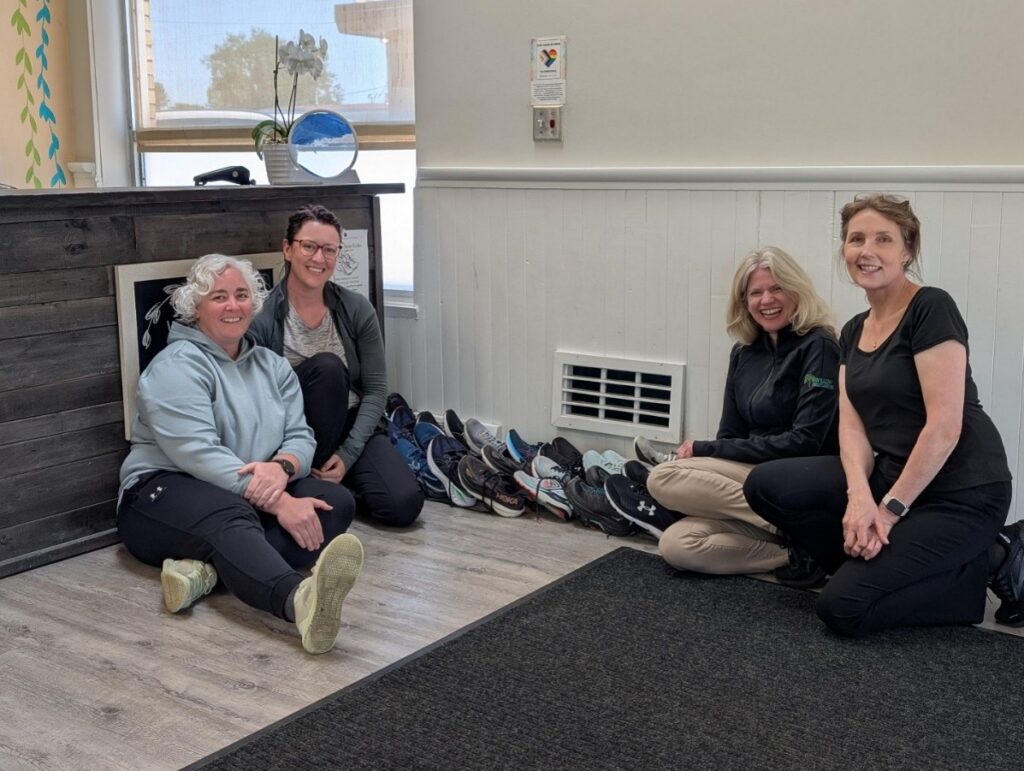
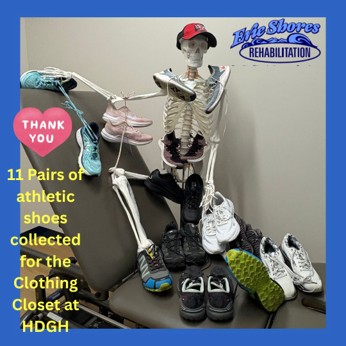
The OPA Windsor District extends a huge thank you to everyone across Windsor-Essex who participated in the 2026 Donate Your Kicks Campaign! Held throughout the month of May in celebration of National Physiotherapy Month, the shoe drive was organized by Hotel-Dieu Grace Healthcare (HDGH) and the Windsor District of OPA to help stock the HDGH Clothing Closet, giving patients access to footwear and clothing they may need. 

The campaign’s goal is simple but meaningful: a good pair of shoes can make all the difference in a patient’s recovery. Without proper footwear, mobility and rehabilitation can be significantly harder to achieve. Thanks to the generosity of staff, students, volunteers, and the wider community, patients throughout the rehab hospital now have greater access to the shoes they need to get moving again. 

This year’s campaign wouldn’t have been possible without the support of several community partners who set up their own collection boxes, including: 

  1. The Running Factory (Manager Kristy Ireland) 
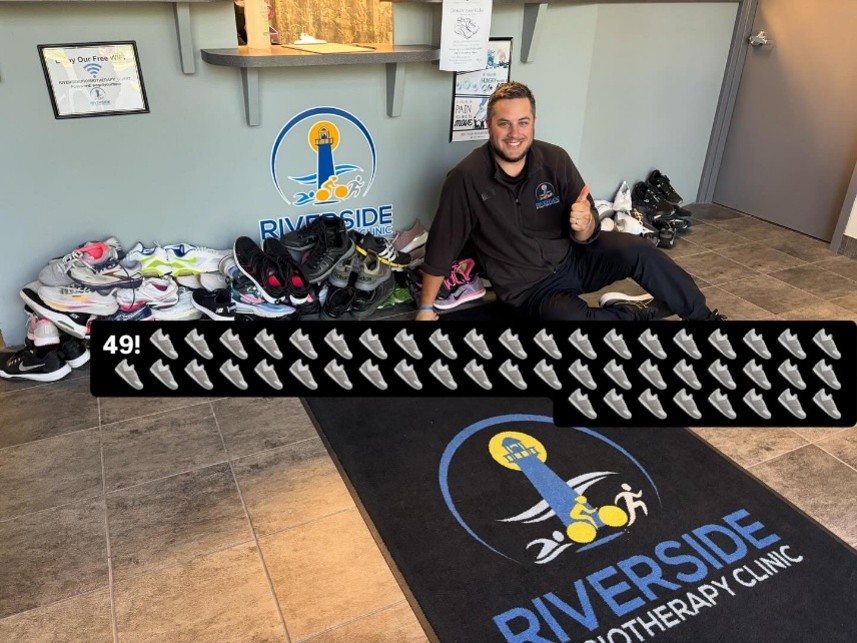
  1. Riverside Physiotherapy (Troy Sajatovich, PT, and staff) 
Riverside Physiotherapy
  1. Loaring Physiotherapy (Wesley Bellemore, PT, and staff) 
  1. Leap Physiotherapy (Alex Graham, PT, and staff) 
Leap Physiotherapy
  1. Willow Health Centre, Chatham (Tegan Vermey, PT, and staff) 
Willow Health Centre Chatham
  1. Erie Shores and Rehabilitation, Kingsville (Roberta Weston, PT, and staff) 
Erie Shores and Rehabilitation Kingsville
  1. Tecumseh Physiotherapy (Danese Tezer and Sarah Primeau, PTs, and staff) 

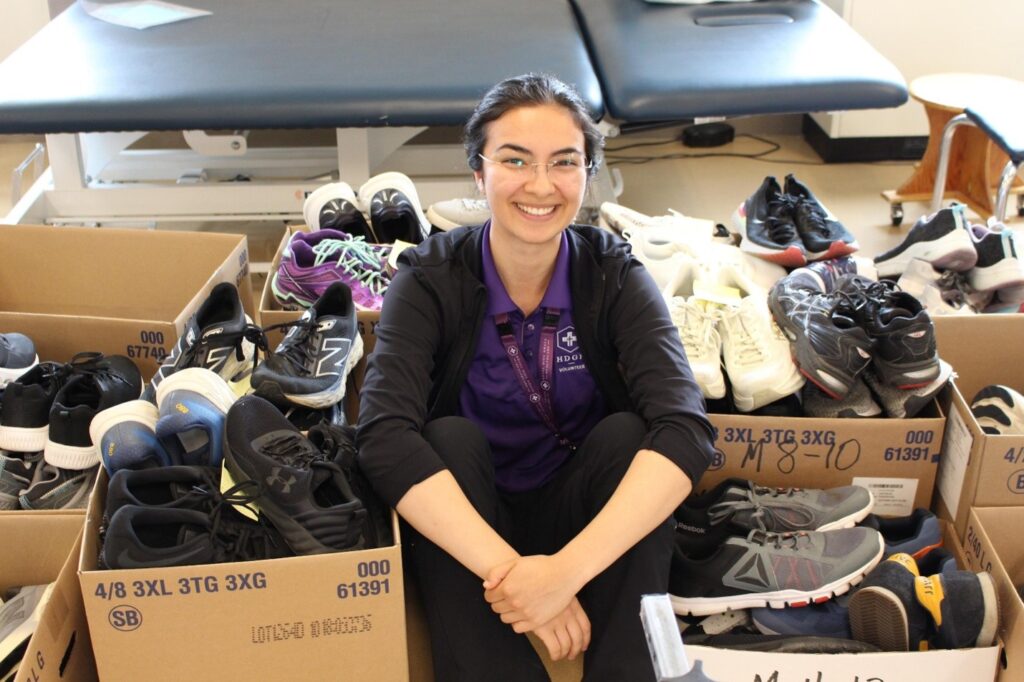
A special thank you was also extended to HDGH Rehab 4 volunteer Simona Brezeanu, who generously gave up her own time to clean, sort, and organize more than 200 pairs of donated shoes! Her dedication and hard work behind the scenes made a huge difference in getting these donations ready for patients in need. 

HDGH Rehab 4 volunteer Simona Brezeanu

The OPA Windsor District thanks everyone who donated, collected, and volunteered to make this year’s campaign such a success, and looks forward to bringing the Donate Your Kicks Campaign back again next year! 

Member Spotlight: An Internationally Educated Physiotherapist’s Journey from India to Ontario

Foundations: A Journey of Resilience, Leadership, & Advocacy 

Venkata Patnala, Physiotherapist and Member Spotlight with Ontario Physiotherapy Association

Venkata Patnala’s path in physiotherapy was born in India. A personal experience emphasized the importance of clinical vigilance and served as the foundation of his journey into the medical field. 

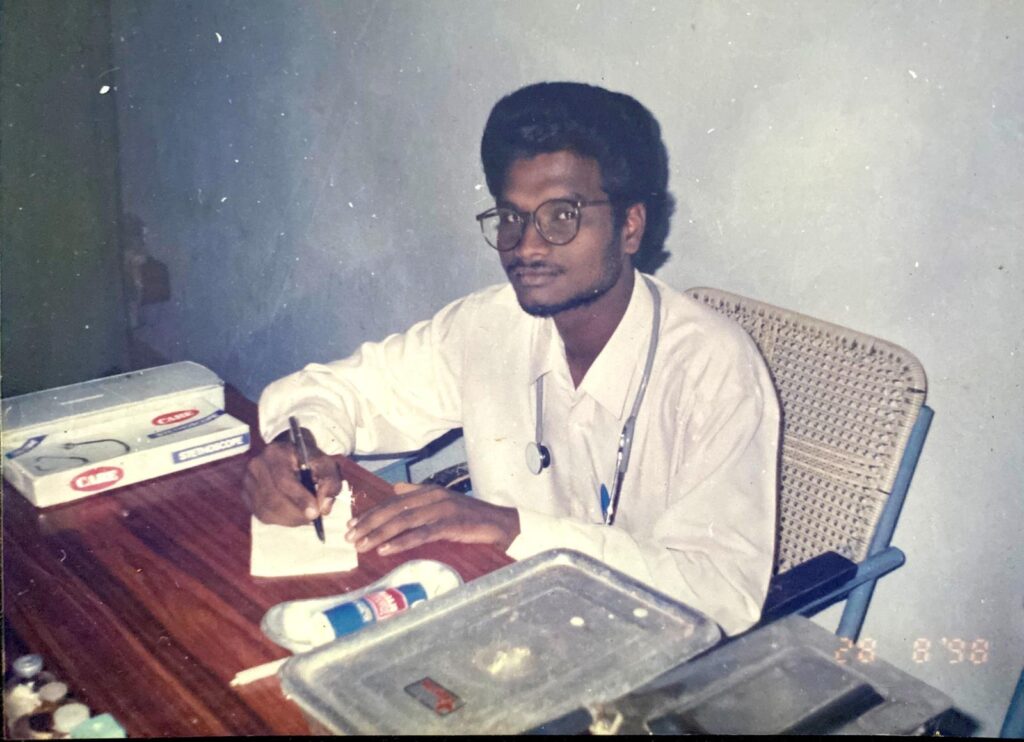
After pausing his formal education for several years due to family responsibilities, he immersed himself in hands-on healthcare. He worked in a rural pharmacy setting and assisted in hospital as a medical assistant and surgical assistant, eventually helping establish a community first-aid service at just 18. Alongside this, he demonstrated early leadership by founding a private school and managing a team of tutors while completing his secondary education.

Venkata Patnala as a First aid medical practitioner in 1998
Venkata Patnala providing community first-aid services in rural India in 1998

Venkata went on to earn his Bachelor of Physiotherapy in 2005, overcoming the challenge of transitioning to an English-language curriculum. As a student, he founded the Samaikya Andhra Physiotherapy Students Association and took on a leadership role advocating for peers. He later established and expanded multiple clinics in India while continuing his education, completing a Diploma in Pharmacy and a Master’s in Orthopedics and Trauma. 

Continuous Learning Across Borders 

In 2013, Venkata brought his combined experience in clinical care and leadership to Canada. Since becoming a Registered Physiotherapist in Ontario in 2014, he has remained focused on integrating strong clinical reasoning with compassionate, patient-centered care. 

Over the years, he has pursued advanced training in Orthopedic Manual Therapy (COMPT), the McKenzie Method (Cert. MDT), Gunn Intramuscular Stimulation through the University of British Columbia, and medical acupuncture through McMaster University. 

As his experience deepened, so did his clinical focus. He became increasingly drawn to the complexities of spinal conditions, particularly scoliosis and kyphosis. This led him to complete certification in the BSPTS-Schroth method and to pursue further advanced training through the Italian Scientific Spine Institute (ISICO). Through this work, he developed a more nuanced understanding of how posture, movement patterns, and structural changes interact over time. 

The Connected System: From Spine to Foot 

While treating patients with spinal conditions, Venkata began to notice a recurring pattern. Some issues that appeared to originate in the spine were influenced by factors elsewhere in the body. 

“I started noticing that certain spinal problems were not just coming from the spine,” he says.“They were sometimes influenced by movement patterns and biomechanical factors originating at the foot and lower limb.”  

This observation led him to explore the relationship between spinal alignment and foot biomechanics more deeply. To strengthen this connection in his practice, he is pursuing formal education in chiropody at The Michener Institute of Education at UHN. By combining these areas of expertise, Venkata has developed a more integrated approach to care. Rather than treating isolated symptoms, he looks at how different parts of the body interact and contribute to overall function. 

Clinical Vigilance and Mentorship 

Over the course of his 20-year career, Venkata has come to value clinical judgment as one of the most important skills in physiotherapy. He recalls instances where patients presented with what seemed like routine musculoskeletal concerns, but further assessment revealed the need for medical referral. 

“It’s not just about treating. It’s about knowing when something does not fit the usual pattern and taking a closer look,” he explains. This mindset continues to shape his daily practice. It also informs the way he mentors students and colleagues, encouraging careful assessment, critical thinking, and a strong focus on patient safety. 

Building Community 

Venkata’s contributions extend beyond his clinical work. As the founder and first president of the Halton Telugu Association, he has helped create a space for Telugu families to connect and support one another across the region. “Moving to a new country comes with challenges that go beyond work,” he says. “There is also the cultural adjustment and the need to feel connected.” Through this initiative, he supports families, mentors younger members of the community, and helps preserve cultural traditions within Canada’s diverse social landscape. 

“For me, it is about creating a sense of belonging,” he adds. “In healthcare and in life, connection and support make a real difference.” 

Supporting the Global Community of Care  

Reflecting on his own journey, Venkata sees the transition to Canada as more than just a licensing process; it is an opportunity to build meaningful connections and community. 

“For internationally educated physiotherapists (IEPTs), my advice is to stay patient, open, and engaged,” Venkata says. “Seek mentorship early but also be willing to share your own experiences. Your clinical background is not something to set aside, it is something to build upon.” He emphasizes that joining professional associations and local cultural groups can create a dual support system that provides both clinical guidance and a sense of belonging. 

For Canadian-trained clinicians and leaders, Venkata highlights the value of active inclusion. “Internationally educated physiotherapists often bring a wide range of clinical exposure from diverse, high-volume settings. Recognizing and integrating these perspectives strengthens our teams and enhances the care we provide.” 

“When we create environments where people feel valued and supported, everyone benefits,” he adds. “It not only helps clinicians grow but also allows us to better serve the diverse communities of Ontario. Ultimately, it is our patients who benefit the most from that collaboration.” 

Looking Ahead  

Today, Venkata continues to grow as a clinician, educator, and community leader. His work reflects an integrated perspective that brings together advanced physiotherapy, specialized scoliosis care, and foot biomechanics. He remains committed to learning and to refining his approach with each patient he sees. 

“Every patient teaches you something,” he says. “That is what keeps the work meaningful and keeps you moving forward.” 

Are You our Next Member Spotlight?

Do you want to be featured? Are you in an innovative role? Spoken about physiotherapy in a podcast or the news? Published an article? Or represented the physiotherapy profession through advocacy?

We want to celebrate you as a physiotherapist, PT or PTA student or PTA!

Charlotte Anderson, OPA’s President Message, June 2026

Watch Charlotte Anderson, OPA’s President, share highlights after the first meeting of the 2026–2027 Board of Directors.  

She speaks to OPA’s ongoing CPC advocacy, the What’s Next campaign featuring PTs and patients from across the province and work the Association is doing regarding recent scope of practice changes. You can reach Charlotte at president@opa.on.ca.  

Introducing OPA’s 2026-2027 Board of Directors

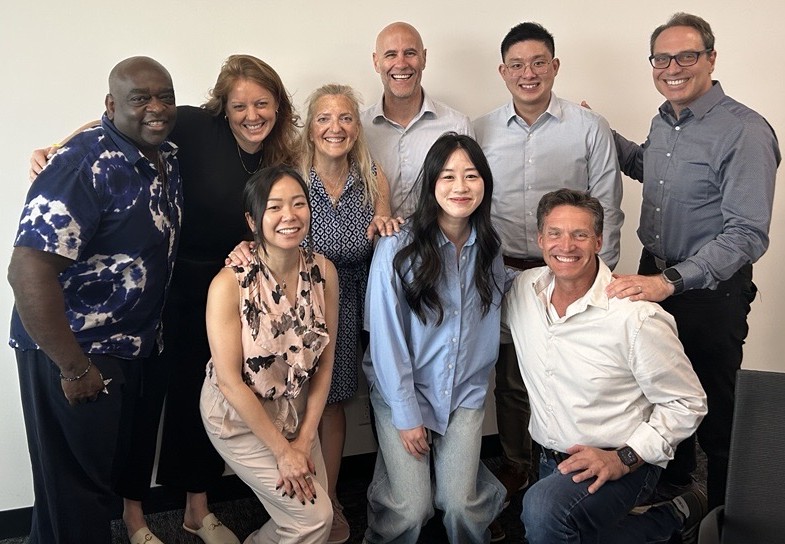
2026-2027 OPA Board of Directors (From L to R: Courtney Bean, Charlotte Anderson, Jennifer Howey, Kyle Whaley, Terry Wang, Anthony Grande, Carrie Lau, Wing Ting Truong, David Egbert

Charlotte is joined on the 2026-2027 Board by Courtney Bean, David Egbert, Anthony Grande, Jennifer Howey, Carrie Lau, Wing Ting Truong, Terry Wang and Kyle Whaley. The Board met on Saturday, June 6, to continue the work of the Association on behalf of Ontario’s physiotherapy community.

OPA Launches “What’s Next for Physiotherapy?” 

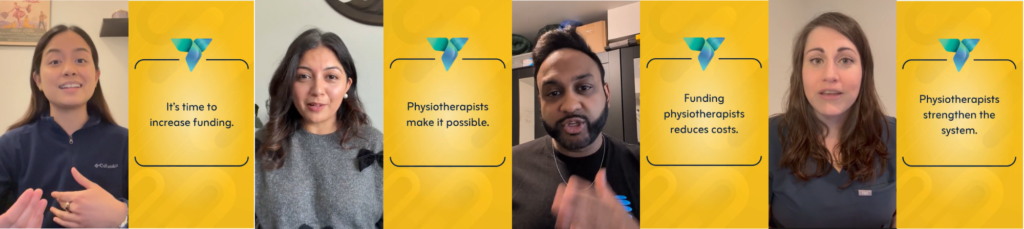
What's Next for PT marketing campaign participants

This June, OPA launched an ambitious province-wide campaign. It is designed to channel a defining moment in Ontario physiotherapy into a long-term conversation about the future of the profession, patient care, and healthcare in Ontario. 

The goal is to reach physiotherapists across every region, practice area, and career stage in Ontario, grow awareness of what the profession can and should be, and establish OPA as the place where that conversation happens.  

The campaign isn’t about OPA speaking to physiotherapists. It’s about physiotherapists speaking to physiotherapists. 

Why This Campaign Matters

Ontario’s healthcare system is under mounting pressure: demand for care is growing, the population is aging, and delivery models are evolving faster than ever. Physiotherapists are already at the front lines of that shift, reducing unnecessary ER visits, supporting earlier interventions, and improving access to care across the province. With expanded scope now underway, the question is no longer whether physiotherapists can do more. It’s what comes next, and how the profession will help shape it. 

The campaign’s approach is as deliberate as its message. What’s Next was built around short videos featuring real physiotherapists and patients speaking in their own voices, grounded in lived clinical experience. They share views on where Ontario’s healthcare is headed. Audiences trust people more than corporate messages, and social platforms reward that authenticity. OPA leaned into that reality fully. 

What This Means for the Profession – and For You

This campaign speaks to every practice area of the profession. Whether you work in private practice, a hospital, or a community health setting, it validates the work you do every day. It makes the case, publicly, for the expanded role physiotherapists are already fulfilling. It connects individual challenges around access and funding to a system-wide argument: physiotherapy isn’t a complement to Ontario’s healthcare system. It’s a cornerstone of its future. 

The What’s Next campaign is a direct expression of what OPA does: advocate for the profession and ensure physiotherapists have a seat at the table when decisions about Ontario’s healthcare are made. That work happens because members across the province choose to invest in it collectively, and this campaign gives every one of them something to rally behind. 

Join the Conversation

The campaign is now live. Watch the videos, explore the patient stories, and join OPA if you’re not already a member, so you can be part of shaping what comes next.  

Not yet an OPA member?  

An OPA membership supports advocacy, connects you with peers across the province, and gives you industry-leading insurance coverage, all while ensuring your profession speaks with one powerful voice. 

The future of physiotherapy in Ontario is already taking shape. Be a part of it. 

National Physiotherapy Month Excitement! 

Every year, the Ontario Physiotherapy Association highlights the experiences of its members and the impact they make with their clients and in their communities. 

National Physiotherapy Month takes place in May and members in 2026 could participate in two ways:

  1. Tagging OPA with both #npm2026 and #wearept so that we could share their post. 
  1. Submitting their pictures for OPA to publish on our communications platforms. 

We were pleased to see how the physiotherapy community got involved! 

Check out a few of those who tagged us or submitted directly:

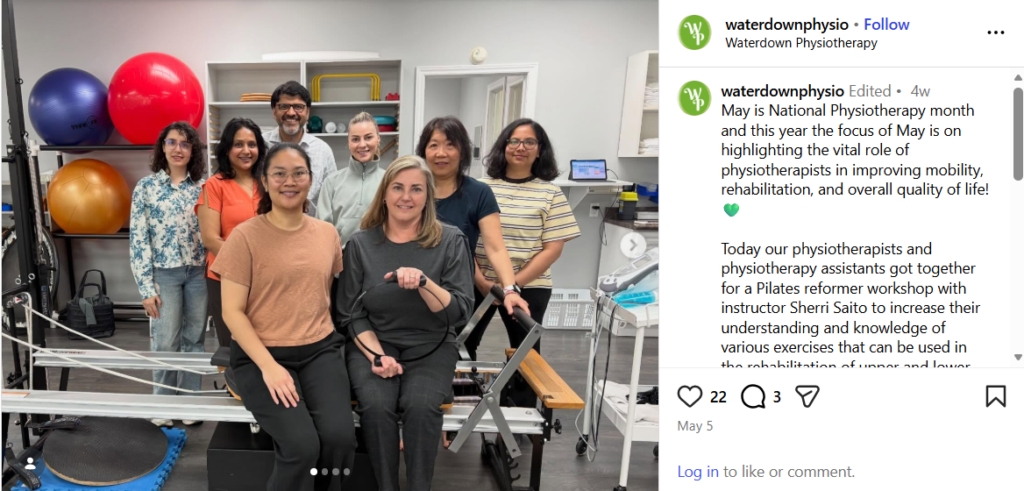
Waterdown Physiotherapy Celebrating National Physiotherapy Month
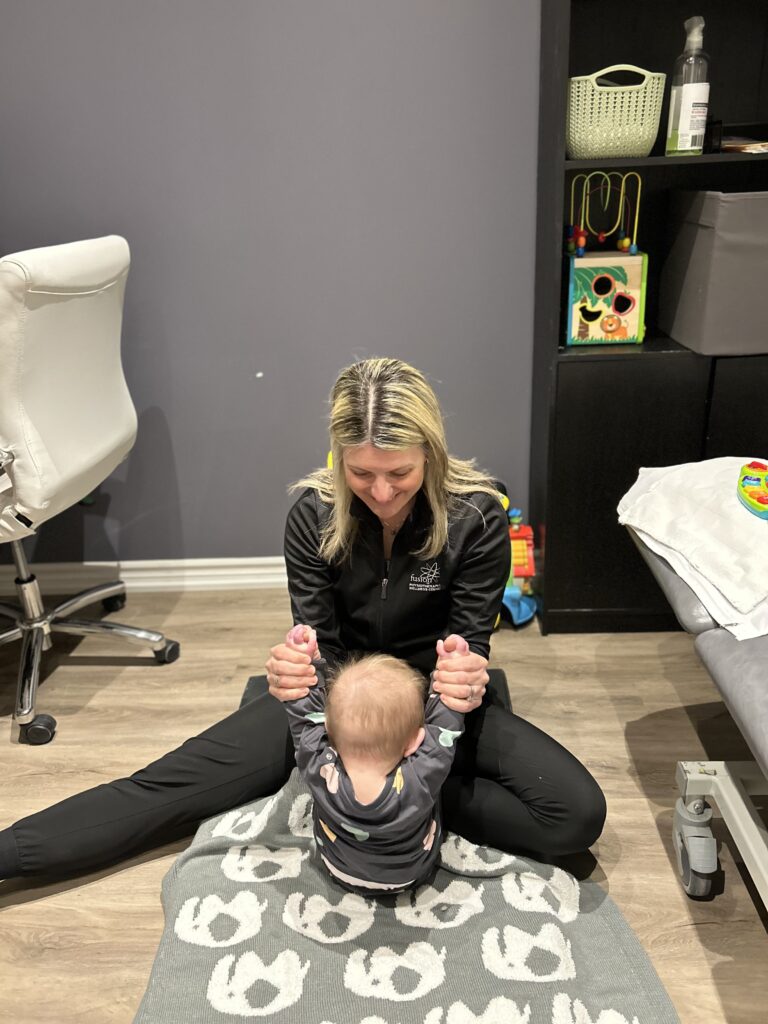
Natasha Weber, Physiotherapist with client for National Physiotherapy Month
Natasha Weber, Physiotherapist
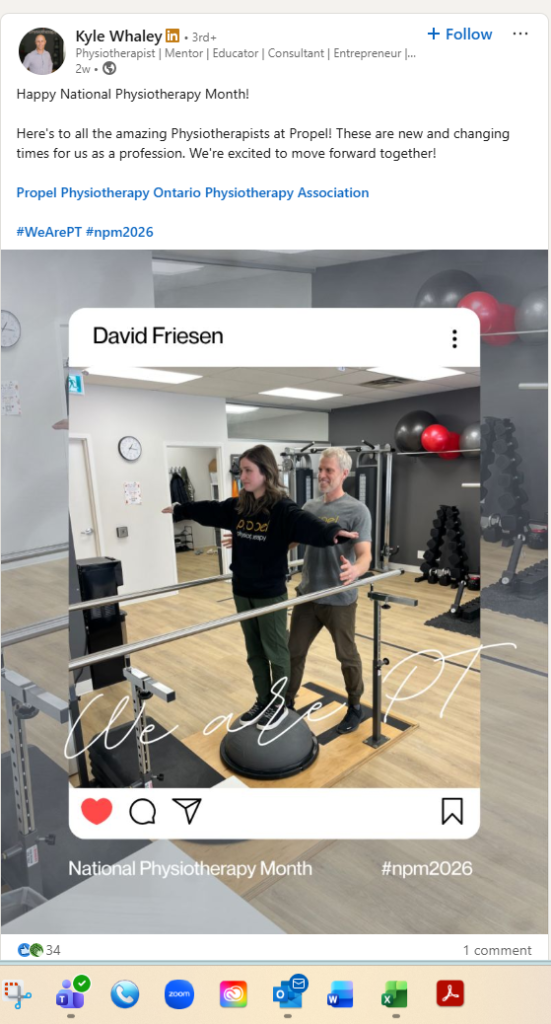
Kyle Whaley from Propel Physiotherapy
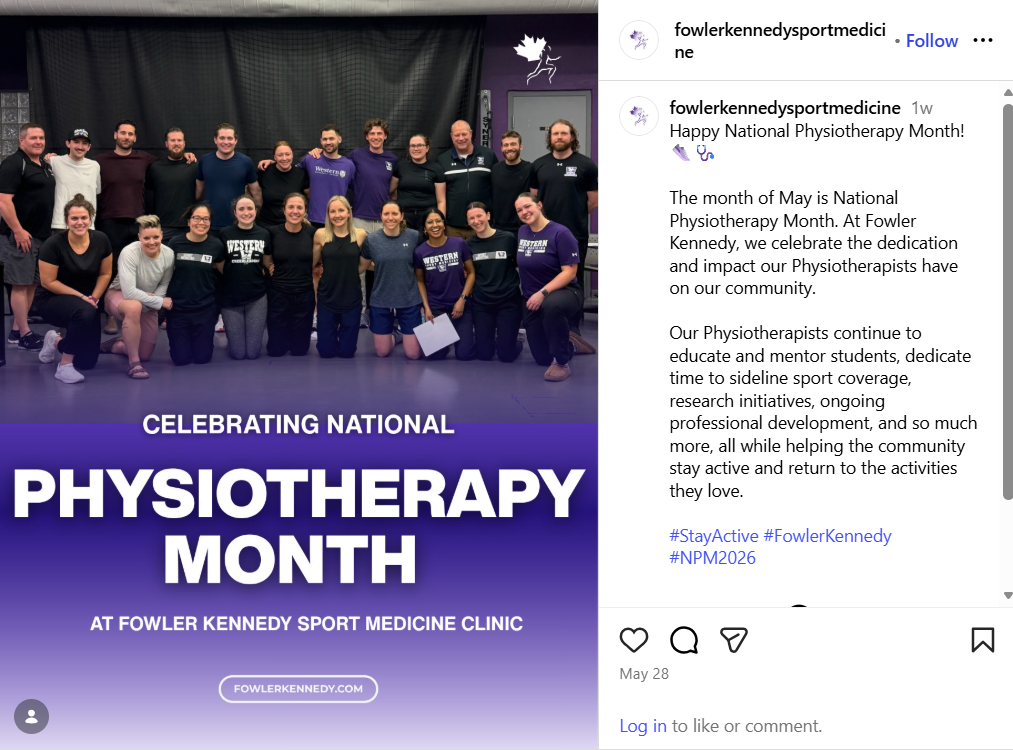
Kennedy Sports Medicine Clinic Celebrating National Physiotherapy Month
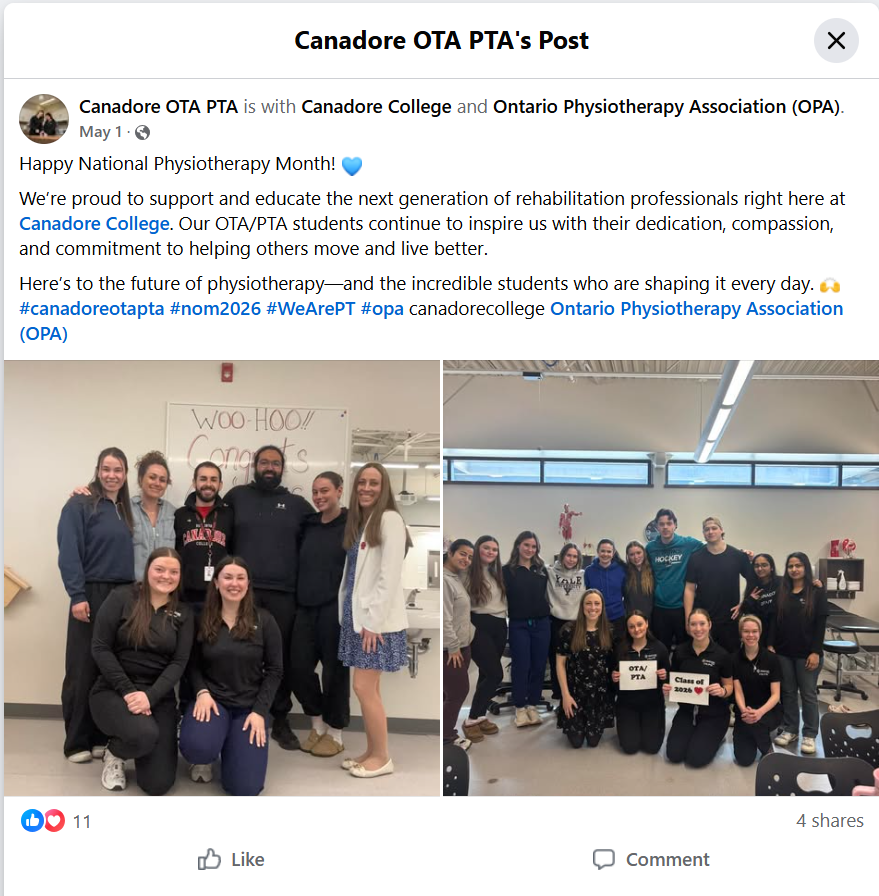
Canadore College picture with PTAs/OTAs

Thank You from OPA Staff!

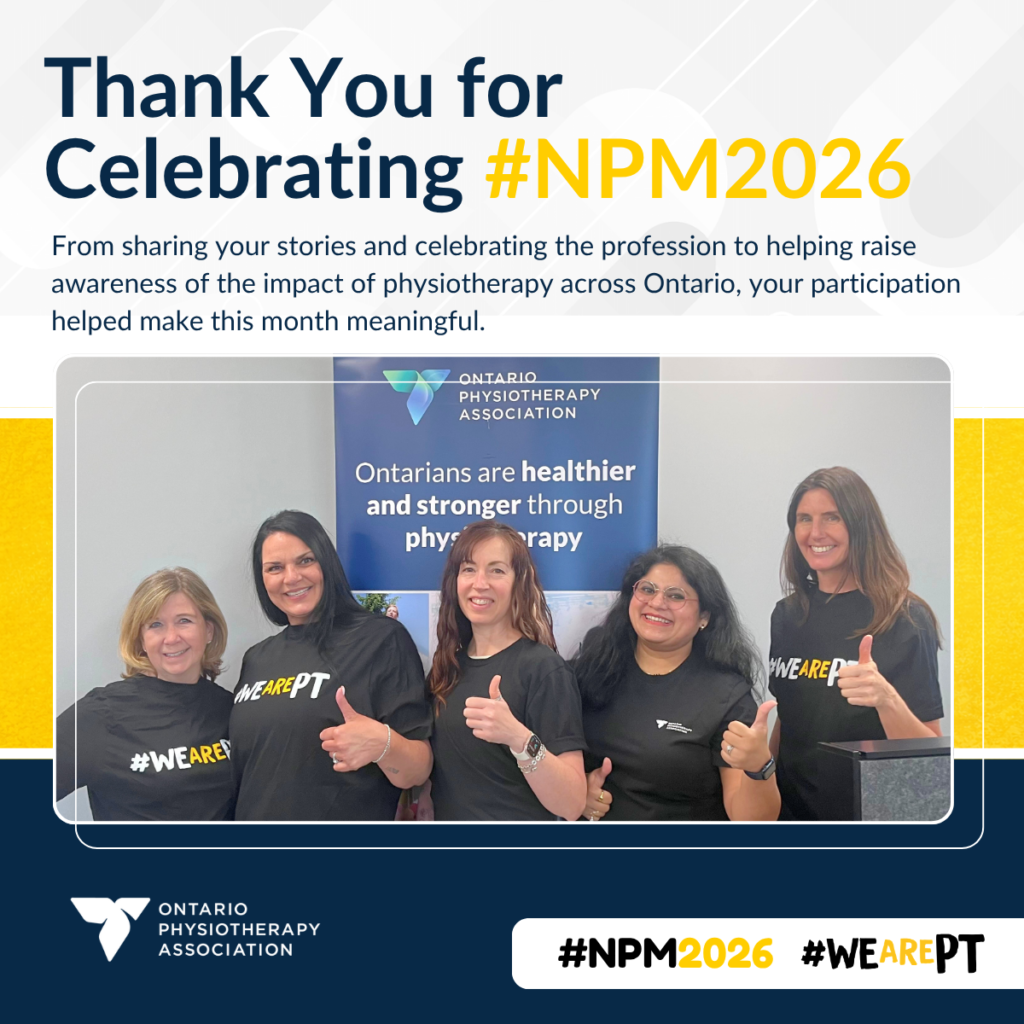
Ontario Physiotherapy Association staff thank you for celebration national physiotherapy month 2026

OPA Contest 

Every OPA member who tagged OPA or submitted their picture and information was automatically entered into the $100 gift card draw.   

Congratulations to Fowler Kennedy Sports Medicine Clinic who won the draw! 

OPA Leadership Attends Congress 2026! 

We were excited to have several engaged OPA members and staff attend the Canadian Physiotherapy Association’s Congress from May 29-30, 2026, in Halifax. 

Charlotte Anderson, OPA’s President connected with the physiotherapy community across the province, including with Ontario District Presidents. 

District Presidents at Congress

OPA was pleased to see several Ontario District Presidents share their knowledge at Congress. OPA’s Central Toronto District Co-President Tiffany Tiu presented on pain science. Tina Ziebart, District President of London District and Alyssa Benitez, York Region and Scarborough District President discussed older adult care. 

Charlotte Anderson with Alyssa Benitez, York Region Scarborough District President and Tiffany Tiu, Co-President for Central Toronto and another male Physiotherapist

OPA’s Emily Stevenson Co-Moderating Session

We were proud to witness Emily Stevenson, OPA’s Director, Practice and Policy co-moderate a session on primary care. OPA has been consistently advocating that with an increase in primary care funding, physiotherapists must be included as core members of interdisciplinary primary care teams. Increasing the number of primary care physiotherapists in Ontario is an essential step towards improving health system capacity and bringing comprehensive and convenient care to more people in Ontario.     

Emily Stevenson, OPA Director, Practice and Policy along with Lisa Carroll at CPA moderating a panel at Congress

Sarah Hutchison Strengthening Relationships

Sarah Hutchison, OPA CEO, along with Jennifer Howey, OPA Board Director, attended and networked with the physiotherapy community across the province, strengthening relationships and bringing back practical ideas to better support OPA members. 

Sarah Hutchison, OPA CEO, Emily Stevenson, Director, and Charlotte Anderson, President at CPA Congress

OPA members and staff were inspired and invigorated by CPA’s Congress and look forward to welcoming CPA members from across the country to OPA’s InterACTION conference in 2027! 

Scope of Practice Announcement from Government of Ontario 

On May 11, 2026, the Ontario Ministry of Health announced future scope of practice expansions for several regulated health professionals, including physiotherapists. The Ministry has directed the College of Physiotherapists of Ontario to begin developing the regulatory framework to support qualified physiotherapists in ordering certain X-rays and diagnostic ultrasound. 

As indicated in the Government of Ontario news release “… the government has now officially directed Ontario’s regulatory colleges for optometrists, physiotherapists, chiropractors, dental hygienists, denturists, and audiologists and speech-language pathologists to begin developing the regulatory framework that would further expand scopes of practice in their fields.”

What This Means Right Now  

It’s important to note that no changes to physiotherapists’ scope of practice have been implemented yet regarding x-rays and diagnostic imaging. The College of Physiotherapists of Ontario is beginning the work to develop the regulatory framework. OPA will continue to collaborate with the Ministry of Health and the College as the process moves forward. 

Progress  

We are hopeful, however, that this announcement demonstrates that the Ministry of Health is moving in the right direction to implement the remaining scope of practice changes for physiotherapists. 

Background 

OPA has tirelessly advocated for nearly two decades to advance scope of practice changes that enable physiotherapists to deliver more comprehensive care.  

In 2008, the Ontario Physiotherapy Association and the College of Physiotherapists of Ontario collaborated on a joint submission requested by the Health Professions Regulatory Advisory Council (HPRAC) to review the scope of practice of physiotherapists. 

Successes to Date 

This joint submission proposed scope of practice amendments, which were all accepted and recommended for implementation by HPRAC, except for one – the authority to refer to specialists.   

In 2012, physiotherapist’s scope expanded to include: 

  • Communicating a diagnosis (controlled activity that is within scope at the entry to practice level) 
  • Treating a wound below the dermis 
  • Internal pelvic exams (including putting an instrument, hand or finger beyond the labia majora or beyond the anal verge) 
  • Administering a substance by inhalation (when the substance has been ordered by an authorized person) 

Why We Continue to Advocate 

Awaiting implementation and not able to put into practice:   

  • Ordering a prescribed form of energy (e.g., diagnostic ultrasound or MRI) 
  • Ordering diagnostics (e.g., X-rays or CT scans) 
  • Ordering laboratory tests 

OPA’s Continued Advocacy 

Current advocacy on PT scope of practice focuses on implementing outstanding changes for activities that still need regulation changes, including ordering diagnostic imaging. Implementation will positively affect access to care, improve health system efficiency, and reduce workloads for all providers. It will lead to people in Ontario getting the right care at the right time, and better sustainability in career paths for physiotherapists.    

Stay Up-to-Date 

We encourage you to watch for further updates from both OPA and the College. Be sure to check OPA’s news where you can filter to access all scope of practice updates. Check out our dedicated Scope of Practice page for the latest information as this process unfolds.