skip to content

Pre-Budget Submission 2026

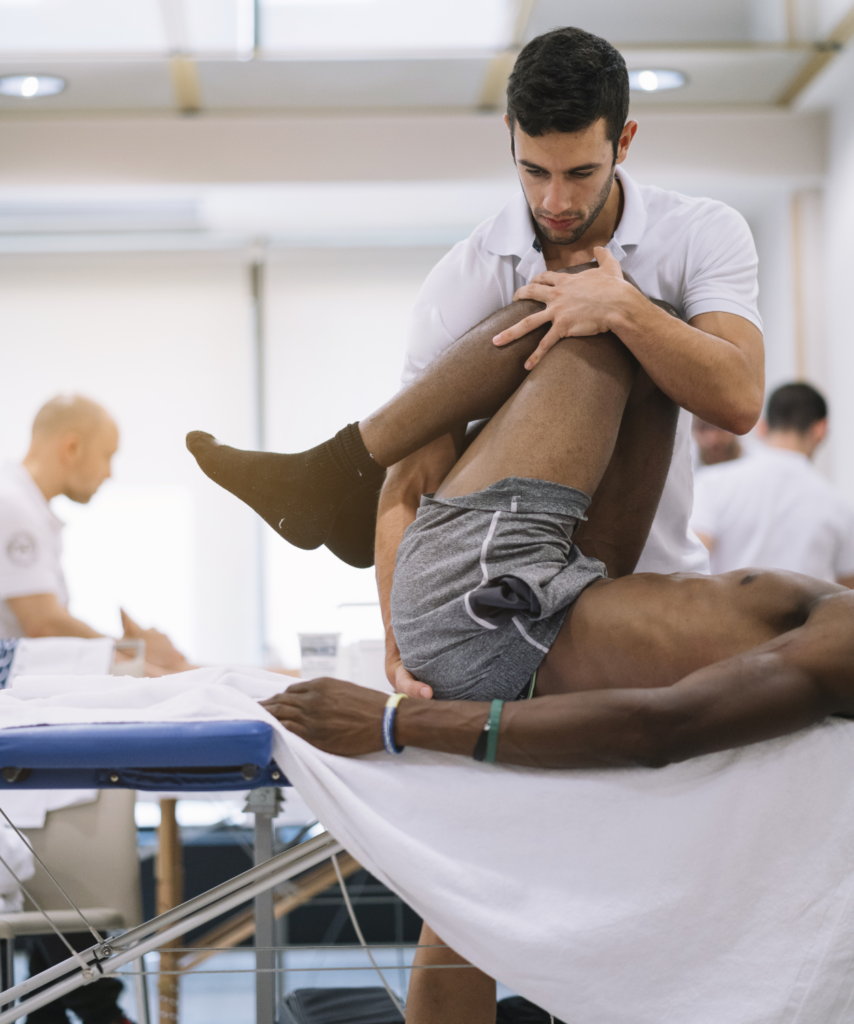
Young Asian female physiotherapist treating man's leg

What’s the Issue 

The Government of Ontario invites workers, organizations, businesses and communities to share what matters most to inform the 2026 Ontario budget.  

OPA submitted a response to the annual budget consultation. Our response illustrates how physiotherapists can contribute to building a ‘more competitive, resilient and self-reliant province”, part of the government’s plan to protect Ontario.

OPA’s 2026-27 Budget Priorities 

Our 2026-2027 pre-budget submission focusses on attainable, impactful investments that will support the government in achieving the goal to increase capacity in Ontario’s health care system. The priorities are: 

  1. Provide required resourcing of physiotherapy positions in primary care, home and community care, and long-term care to bring compensation in line with the hospital sector. 
  1. Strengthen the Community Physiotherapy Clinic program as a strategy to support primary care access and to support seniors living in the community.  
  1. Address the health human resource crisis and improve access to care by enabling physiotherapists in Ontario to practice to full scope of practice. 

Part of Our Continued Advocacy 

Male physiotherapist treating female client's upper body

The priorities outlined are informed by conversations, meetings, and surveys across various sectors throughout the year. OPA consults with members and health care leaders, including our advisory committees, Board of Directors and Districts. These conversations and information have been critical to identify the priorities of OPA’s 2026 Pre-Budget Submission. 

More About What OPA Wants on Behalf of PTs and Patients 

  1. PHYSIOTHERAPY COMPENSATION EQUALIZATION ACROSS PUBLIC SECTOR  

Physiotherapists have an essential role in delivering care in the community whether as part of a primary care team, at a patient’s place of residence, or in a long-term care facility. Access to care in each of these settings is critical to keeping Ontarians healthy, mobile and contributing to their communities and the economy. The challenge is that recruitment and retention in these positions is near impossible when the compensation is well below that of hospitals. To offset more costly institutional care, sufficient funding in the primary care, home care, and long-term care is essential to support health human resource needs long term. 

  1. STRENGTHENING THE COMMUNITY PHYSIOTHERAPY (CPC) PROGRAM  

The Community Physiotherapy Program (CPC) is a well-established program which has been providing access to essential physiotherapy care for over 10 years. This program partners with over 200 community clinics and outpatient hospital facilities to deliver physiotherapy services.  Unfortunately, continuation of the CPC program is becoming increasingly precarious, as the funding model has not kept pace with increasing operating costs. Episode of Care (EOC) funding has increased by only 7% since inception of the program; from $312 in 2013 to $334.38 in 2025.  Without access to this care, individuals are put at risk for chronic pain, limited function, and delayed return to work. This is not a risk we can afford. The bottom line is that insufficient government funding of the CPC program is creating a significant exposure of risk to Ontarians.   

  1. ENABLING PHYSIOTHERAPISTS’ SCOPE OF PRACTICE IMPLEMENTATION 

For physiotherapists, expanding scope to include diagnostic imaging and laboratory testing was included in changes to the Physiotherapy Act in 2009, as approved by the legislature. However, still today, the Ministry has not yet implemented the regulatory changes required to enact these changes.  

The result? Where once a leader, there are now four provinces who have surpassed Ontario with implementing scope changes, including Alberta, Quebec, PEI and Nova Scotia. Ontarians continue to deal with “circular referrals” where they must return to their family physician (or worse yet, the Emergency Department or Walk in Clinics) for referrals for diagnostic imaging, when it is already within scope of physiotherapists. 

As the government looks to attach two million people to primary care by 2029, expanding the scope of physiotherapists to include diagnostic imaging, will not only relieve the burden on family doctors – it will promote earlier diagnosis, earlier intervention, reduced system costs and promote better health outcomes. Expansion of scope will optimize any current and future investments in the community. The province cannot afford to wait any longer to enact this opportunity. 

About OPA’s Advocacy 

OPA’s advocacy work is ongoing, and our Pre-Budget Submission is one example of what we continue to do to advocate for our members.  

All Sectors are Affected 

Our recommendations affect the physiotherapy community in all practice areas. Whether it’s increasing compensation in primary care, home care, and long-term care, increasing funding for the Community Physiotherapy Clinic program, or enabling the implementation of physiotherapists’ full scope of practice, all members are impacted and would benefit from our suggested solutions. 

What’s Next 

We look forward to working with the government to implement these solutions. We will be looking for these commitments in this year’s budget, which is usually released in March. 

Physiotherapists Are Not “Allied” – They’re Essential to Ontario Healthcare

Read OPA’s op-ed on the Canadian Healthcare Network.

Check out OPA’s op-ed on Healthy Debate.

female physiotherapist examining and treating client's neck and has one hand on her neck and another on her head

As Ontario marks one year of its Primary Care Action Plan, the Ontario Physiotherapy Association (OPA) is calling for a critical shift in how we talk about healthcare professionals. Stop using the term “allied health” and start naming the specific expertise that matters. 

OPA leadership argues that lumping physiotherapists and other regulated health professionals under the umbrella term “allied” obscures their critical role in Ontario’s healthcare system and the patient outcomes they deliver. With over 275,000 Ontarians newly attached to primary care in just one year, the province is on track to meet ambitious targets. But truly integrated care requires recognizing physiotherapists not just as supporting players, but also as frontline providers who diagnose, manage, and treat musculoskeletal and neurological conditions every single day. 

A recent physician-authored op-ed questioned physiotherapists’ authority to order diagnostic imaging which is a scope expansion already approved in Ontario’s legislation. It has also been successfully implemented in other jurisdictions including the UK, Australia, and several Canadian provinces. Evidence shows that when physiotherapists have this authority, they order less imaging and reduce unnecessary pain medication. Despite this, Ontario has yet to enable this change. 

With Ontario’s health system under mounting pressure from population growth, aging demographics, and complexity, the province needs physiotherapists working at their full scope of practice. That means removing artificial barriers, enabling evidence-based scope of practice expansion, and most importantly, calling these professionals by name. 

Read the full op-ed below. 

Going Beyond ‘Allied’: The Critical Role of Physiotherapists in Ontario’s Primary Care System 

Male physiotherapist treating client who is lying down and his knees are up and being held by PT

Just say their name – Physiotherapists 

I was struck this past week as the one-year milestone of Ontario’s Primary Care Action Plan was announced. The Ontario government noted progress in attaching patients to a primary care provider and how much work there is left to do in expanding the definition of ‘primary care’ and the role of ‘allied health professionals’ in inter-professional care teams and beyond. While I applaud the progress made to date, the use of the word ‘allied’ is a source of increasing frustration for me. It obscures the potential contribution of each of the health professionals who are referred to in this group. 

Let me explain. 

Physiotherapists are regulated health professionals. Patients don’t need a referral to access a physiotherapist, and where one is requested, it is usually the requirement of an insurance company. Physiotherapists work across the health system, in communities, in hospitals, in primary care, in homecare and in long term care, providing evidence informed care to treat a wide range of musculoskeletal (MSK), cardiorespiratory and neurological conditions. They are patient centric professionals dedicated to restoring movement and function, alleviating pain, and improving quality of life for those recovering from an injury, managing a chronic condition, requiring pre- and post-surgical care, or seeking to improve physical health and well-being.  

For many seniors access to physiotherapy by regulated physiotherapists impacts mobility, overall function and the ability to live independently. For MSK conditions, physiotherapists are often the first point of contact and they assess, diagnose, and manage these conditions each and every day. They work both independently and as a member of an interprofessional care team, in a myriad of settings.     

Enable Full Scope of Practice in Ontario 

Two health care practitioners, one of which is a physiotherapist, looking at a knee xray

In fact, if the scope of practice changes already approved in Ontario legislation in 2009 are enabled in 2026, physiotherapists would be able to order diagnostic tests. This would increase timely access to care and provide a more seamless patient experience. 

Enabling physiotherapists to practice at their full scope will: 

  • reduce the number of contact points needed within the health system 
  • reduce inappropriate utilization of walk-in clinics or emergency departments for imaging referrals  

Patients would get appropriate and comprehensive care where and when they need it. Truly integrated care means that a qualified professional can act in the patients’ interest to provide care without artificial barriers or any additional gatekeeping. With a patient centered lens, this could mean potential earlier return to function for patients, including care of self, family and earlier return to work. There would be potential savings for employers with improved time to return to work, reduced expenses related to travel and to eliminated healthcare visits. After all, this is about patients. 

Important Role of PTs in Ordering Diagnostic Imaging 

Recently a newspaper article published by two physician authors questioned the role of physiotherapists in ordering diagnostic imaging suggesting that this would cause new problems and delay access to MRIs. Their statements were not based in evidence and drew a robust factual response from OPA member physiotherapists citing the evidence. Published studies demonstrate that first contact physiotherapists order less imaging and reduce the need for prescription pain relief. It is unfortunate that Ontario has not followed the lead and the evidence from other jurisdictions (UK, Australia, QC, AB and PEI) where this authority exists. Although, we remain hopeful that before the second anniversary of the Primary Care Action Team this will finally have advanced. 

Our health system continues to buckle under the demands; whether that’s population growth, population distribution in the province, our aging population or the complexity in navigating our health system of systems. We need more physiotherapists working to full scope of practice to meet these grown demands. We would prefer to have ‘allies’ enacting system change who understand the value and impact that access to physiotherapy across the continuum of care has for patients in our province. Finally, let us name and respect the contribution of all of those “allied” health professionals that make a tremendous impact of the health and well-being of Ontarians.   

Sarah Hutchison, MHSc., LL.M, ICD.D

Chief Executive Officer, Ontario Physiotherapy Association   

Physiotherapy in a Rural Primary Care Team: How Jody Lemieux is Supporting Healthy Aging in Northern Ontario 

Jody Lemieux, Physiotherapist is in her physiotherapy clinic in Northern Ontario.

Jody Lemieux is a registered physiotherapist at the Huron Shores Family Health Team in rural Northern Ontario. With more than 30 years of clinical experience, Jody has worked across hospital, private practice, home care, and community settings. For the past two and a half years, she has been practicing in a primary care team, supporting a large and geographically dispersed population across Blind River, Thessalon, Bruce Mines, and Richards Landing. 

Jody’s move into a primary care team was motivated by a desire to work in preventive care. After years in acute and inpatient hospital care, particularly during and after the COVID-19 pandemic, she observed many hospital admissions that she felt could have been prevented with earlier intervention.

“So many people were coming in with failure to cope,” she explains. “If there had been some intervention earlier on, it definitely could have prevented that or at least delayed it quite a bit.” 

The State of Primary Care in Rural Northern Ontario 

Providing physiotherapy in primary care in Northern Ontario looks very different than in urban or southern regions of the province. Jody’s Family Health Team’s catchment area encompasses more than 14,000 people and spans a vast geographical region, which includes communities without consistent physician coverage. Approximately 7,000 individuals have access to a primary care provider through her health team’s four sites. Although many others across this area have access to a primary care provider through other means, a significant number remain without a primary care provider. Also, there are no walk-in clinics in the region, and two of the three emergency departments are regularly closed due to lack of physician coverage. Thus, the Huron Shores Family Health Team endeavours to provide certain programs that are accessible to all individuals, irrespective of their clinic roster status. 

“Rural Northern Ontario is totally different,” Jody says. “The geography, the travel, the lack of resources, all of those things matter.” 

Because of these realities, Jody worked closely with leadership and regional partners to develop a role tailored to community needs. “The slate was wide open,” she notes. “I was able to look at what our population actually needed and build something that made sense here.” 

A Focus on Healthy Aging and Prevention 

In addition to providing individualized physiotherapy services, a major component of Jody’s role has been the development of a comprehensive Healthy Aging Program. The program focuses on early identification of frailty, falls risk, bone health concerns, and other barriers to aging well. The Healthy Aging program is available to everyone, including screening and education sessions, regardless of roster or attachment status, or ability to pay. However, the screening component is currently only for those 65 and older.

“It’s about identifying issues early and addressing them before they become crises,” Jody explains. “A lot of these things are not even discussed with primary care providers,” Jody explains. She adds that physician and nurse practitioner workload constraints are significant barriers to screening and addressing needs related to healthy aging, including falls risk and preventive care.

The screening process is intentionally thorough, combining early frailty identification with a pre-falls pathway to ensure important risks are not missed. Jody notes that this blended approach has helped identify individuals who may have otherwise been overlooked: “We’re catching a lot of other problems by taking the time to ask the extra questions.” 

Measuring Impact and Delaying Long-Term Care 

The Healthy Aging Program has been supported through funding from Healthcare Excellence Canada as part of the Enabling Aging in Place Collaborative. While some outcomes are still being formally measured, early feedback has been overwhelmingly positive. 

“All of the clients surveyed either agreed or strongly agreed that the program is helping them age in place longer,” Jody shares. Participants also reported highly positive experiences with the screening process itself. 

The screening aspect of the program has generated dozens of referrals to physiotherapy, primary care providers, diagnostic testing, bone health assessment, and community supports. In some cases, osteoporosis and other chronic conditions were identified for the first time, allowing for earlier education and management. 

Team-Based Care and Expanded Capacity 

Jody emphasizes that this work would not be possible without interdisciplinary collaboration. Nurses now lead the screening process at each site and assist with providing fall prevention programming. This allows Jody to focus on program oversight and more complex clinical needs. Recently, base funding was secured through the Algoma Ontario Health Team to support a permanent physiotherapist assistant (PTA) three days per week, which further supports community needs. 

“Having a physiotherapist assistant has made a huge difference,” Jody says. “A lot of what I do is education and exercise-based care, and that support helps us reach more people.” Jody adds that the PTA who works with her provides tremendous benefit to the community. They not only offer various group exercise classes and lead the fall prevention programming, but they also support Jody in working with her one-on-one physiotherapy caseload. 

Jody also highlights the importance of team-based solutions when unattached patients are going through the Healthy Aging Screening. In these cases, a nurse practitioner supports follow-up and diagnostics when needed, helping maintain continuity of care within the team. 

The Value of Physiotherapists in Primary Care 

Jody believes physiotherapists are uniquely positioned to strengthen primary care, particularly in underserved and rural regions. “We’re regulated health professionals with a lot of education and training,” she says. “When it comes to musculoskeletal issues, bone health, chronic disease management, and healthy aging, we’re well suited to identify problems and refer appropriately.” 

She also notes the value of time and patient connection. “We get to spend more time with people. Patients often tell us they’ve never been asked these questions before or that they were worried about something but didn’t want to bring it up because there were so many other things to talk to the doctor about.” 

For Jody, primary care physiotherapy is empowering, preventive, and flexible. “We’re all aging. There are a lot of modifiable factors, and people are eager to learn what they can do to help themselves.” 

Looking Ahead 

As Ontario continues to invest in team-based primary care, Jody hopes more teams will consider how physiotherapist roles can be adapted to meet local needs. “It doesn’t have to look the same everywhere,” she says. “It’s about identifying what your community needs and being open to doing things differently.” 

Her work demonstrates how physiotherapists can support healthier aging, reduce strain on hospitals, and improve access to care, particularly in rural Northern Ontario. As Jody puts it, “The sky is the limit when you’re willing to think outside the box”. 

Are You our Next Member Spotlight?

Do you want to be featured? Are you in an innovative role? Spoken about physiotherapy in a podcast or the news? Published an article? Or represented the physiotherapy profession through advocacy?

We want to celebrate you as a physiotherapist, PT or PTA student or PTA!

Working Toward Fees and Salaries that Reflect Your Value

graphic showing a computer with online survey and other work tools including coffee

Help Shape Fair Compensation for Ontario Physiotherapists

The Ontario Physiotherapy Association is launching our 2026 compensation and fee surveys to ensure physiotherapist earnings across all sectors reflect the true value and scope of the profession. Our last comprehensive surveys were conducted in 2022, and a lot has changed in healthcare and the broader business landscape since then. 

Your input directly impacts fee negotiations with the Ministry of Health, private insurers, WSIB, and auto sector stakeholders. The more responses we receive, the stronger and more representative our market research becomes. It takes just a few minutes of your time. 

Why Your Input is Critical  

These surveys gather an accurate picture of what physiotherapists earn and charge across hospital, private practice, home care, primary care, and long-term care sectors. This data informs our Fee Guidelines and strengthens our advocacy with government and industry partners. It is the foundation for demonstrating the real value physiotherapists bring to Ontario’s healthcare system. 

Bonus: Your Feedback on the Ontario Physiotherapy Association 

We have also included questions about OPA membership in these surveys, open to OPA members and non-members. With this feedback, we ensure that the Association delivers real value to all physiotherapy professionals in Ontario. 

This survey is now closed. Thank you to all who participated.

OPA 2026 Vision: The Future of Physiotherapy in Ontario

2026 calendar booklet with a pen

As we move into 2026, we share an extraordinary degree of optimism for the physiotherapy profession. We believe it will be recognized and valued even more for the impact we have on function, health, and well-being.

Physiotherapy helps people across their lifespan, wherever they access health care in the system.   

female physiotherapist smiling

Our mission at OPA is clear. We are here to Support our members through advocacy, professional development, and career support. We Influence and shape decisions that affect the profession. We Empower our members to provide the utmost in safe and high-quality care to all people and communities we serve.   

As your provincial professional association, we recognize both the honour and the importance of representing your voice. Working with the Ontario government and key decision-makers, we represent you on the issues that matter most to you. Our focus is on the policies, funding decisions, and structures that affect your work every day and your patients.   

As we head into the New Year, we are set on achieving progress in the following areas:   

A Thriving Workforce and Practice Settings  
Our priorities include:  

  • Continuing our efforts to advance scope implementation  
  • Supporting the development and appropriate funding of physiotherapists in first contact primary care roles 
  • Advancing the Community Physiotherapy Clinic program in 2026 with a focus on program awareness, expansion and appropriate compensation  
  • Refining our 2026 OPA Fee Guideline with sector-specific information  
  • Working with FRSA (Financial Services Regulatory Authority of Ontario) and the Ministry of Finance to make long-overdue compensation changes 

Health System Transformation 

We are supporting physiotherapists and their teams by: 

  • Promoting interprofessional team-based care 
  • Advancing physiotherapists’ participation in health system transformation with a focus on Home and Community Care and Long-Term Care 
  • Making it easier to deliver informed patient care by gaining access to provincial digital assets (Diagnostic Imaging Repository, OLIS – Ontario Laboratories Information Systems)  

Our Membership 

We are most successful with your involvement and partnership. This is why OPA listens to and engages students, new graduates, PTAs, and physiotherapists throughout their careers. Our volunteers on committees, district executives and our Board of Directors make sure our work is relevant and positively impactful. We couldn’t do this without you.   

Transparent and Inclusive 

The processes and supports we develop matter. We continue to make them more accessible, inclusive, and transparent. We celebrate our wins, share progress with our members regularly and invite you to participate at any time.  

As we move into 2026 and our bold initiatives, reflecting on the successes of 2025 provides us with confidence and a roadmap for moving forward.  Thank you for your support and confidence in us – together, we can accomplish so much more!  

Sincerely,

Sarah Hutchison, CEO & Courtney Bean, President  

Member Spotlight: The Critical Role of Physiotherapists in Reducing the Burden on Emergency Departments: Natasha’s Story

When Natasha Bhesania graduated from the University of Toronto with a Master of Physical Therapy in 2007, she was immediately drawn to the intensity and complexity of acute care. She took on several roles across intensive care, neurotrauma, orthopedics, and general internal medicine units. A permanent role on Mount Sinai’s geriatric consult team eventually opened the door to a new opportunity that would push the boundaries of traditional physiotherapy practice.

Natasha initially began offering physiotherapy services in the emergency department for non-admitted patients. The goal was simple but powerful: to help avoid unnecessary hospital admissions. Recognizing the need for additional preparation, she completed several weekend courses on allied health in the emergency department to strengthen her skill set for this unique environment.

What started as a small 0.2 FTE addition to her full-time role quickly revealed its potential.

“I recognized the value of physiotherapy in the ED, particularly in preventing non-medical admissions, reducing length of stay through early mobilization, and facilitating discharge planning,” Natasha explains.

Inspired by this insight, she partnered with an occupational therapist colleague to launch a Science of Care quality improvement (QI) project. Together, they set out to demonstrate the impact of having full-time physiotherapy and occupational therapy coverage in the ED over a two week pilot as compared to baseline data of 0.2 PT/OT compliment over 2 years.

Their data told a compelling story: patients moved through the system more efficiently, hospital length of stay decreased, and satisfaction among physicians improved. The results were later presented at the International Learning Collaborative Conference in Portland, Maine in 2023. Natasha and her OT colleague’s quality improvement work was well-received by the ED staff. Earlier this year, Mount Sinai received funding from Ontario Health to support full-time PT and OT coverage in the emergency department. As of March 2025, the hospital now benefits from 12-hour physiotherapy and occupational therapy coverage on weekdays and 8-hour coverage on weekends from 2020 to 2022.

Natasha’s work extends well beyond mobility management. Physiotherapy assessments often provide valuable complementary insights that support the overall clinical picture. Our functional assessments can sometimes highlight neurological changes—such as signs consistent with stroke or early Parkinson’s Disease—that may not yet be evident on initial imaging,” she explains. These observations often lead to collaborative discussions with physicians and other team members, helping guide further assessment and contributing to diagnosis. It’s a strong example of how physiotherapists play an integral role in enhancing patient care through interprofessional teamwork.

Innovative Care

Innovation is central to Natasha’s approach. As part of the rehab team at Mount Sinai, she recently began integrating the Clinical Frailty Scale (CFS) into initial assessments for patients over 65, which helps guide discharge pathways with the goal of ensuring that both admitted and non-admitted patients receive the most appropriate care trajectory. It’s a data-informed strategy that enhances efficiency and targets resources where they’re needed most.

The impact is especially clear in key populations. “Our assessments are critical in the non-operative management of fractures following falls, particularly in older adults,” Natasha says. From prescribing gait aids and connecting patients to community resources and facilitating inpatient rehab applications directly from the emergency department, her interventions often help prevent avoidable hospital admissions. She also plays a pivotal role in managing pain for patients with musculoskeletal injuries, which is an area where early education and treatment can significantly affect outcomes.

Health System Impacts

Importantly, Natasha’s work supports broader system goals. By conducting early functional assessments, she helps minimize patient deconditioning, enables direct transfers to rehab, and contributes to smoother patient flow through the ED. “We are key contributors to disposition planning from the emergency department” she says. It’s a role that combines clinical skill with system thinking and it’s making a measurable difference.

To decision-makers across the health system, Natasha offers a clear message: “As our population ages and community resources remain limited, physiotherapists in the emergency department are essential for early assessment, mobilization, and discharge planning. We have the expertise to optimize function and facilitate safe transitions, whether back home or into rehab, directly from the emergency department.”

And while she’s passionate about advocacy, Natasha emphasizes that it must be grounded in evidence. The QI project she helped co-lead serves as a model not just for funding conversations, but for demonstrating the cost-effectiveness and value of physiotherapy in emergency care.

“Advocacy should be grounded in research and data,” she says. “By highlighting existing evidence, including our own QI project, we can demonstrate the value and cost-effectiveness of physiotherapists in emergency care.”

A Day in the Life

A day in Natasha’s life is fast-paced and ever-changing, which is exactly how she likes it. She starts by scanning the emergency department census to identify patients who could benefit from physiotherapy. These patients might be older adults recovering from a fall, individuals with musculoskeletal injuries, or those with mobility challenges or complex discharge needs. From there, she collaborates with the broader care team to determine who is medically stable and appropriate for physiotherapy intervention. Her work includes bedside assessments, gait aid prescriptions, education on safe mobility, and input on discharge planning, all of which is aimed at avoiding unnecessary admissions and ensuring safe, timely transitions of care.

“No two days in the ED are ever the same, and that’s part of what makes this role so dynamic and rewarding,” she reflects. It’s a role that blends clinical expertise, system navigation, and patient advocacy, and it shows just how far physiotherapy can go when professionals like Natasha are empowered to work to their full scope of practice.

Are You our Next Member Spotlight?

Do you want to be featured? Are you in an innovative role? Spoken about physiotherapy in a podcast or the news? Published an article? Or represented the physiotherapy profession through advocacy?

We want to celebrate you as a physiotherapist, PT or PTA student or PTA!

What We Have Accomplished This Year

Group of five diverse business people indicating success, with their hands up.

We are excited by all that OPA has accomplished this year on behalf of our members and the profession overall. While advocacy never really stops, we are taking a moment to reflect on our successes.

1. Significant Progress on Scope of Practice Implementation

The Government of Ontario announced plans to implement regulations allowing physiotherapists to order diagnostic imaging (X-rays, CT scans, MRIs, and diagnostic ultrasounds). OPA’s relentlessly advocated through:

  • Ongoing meetings with the Ministry of Health 
  • Meetings with the Premier, Minister of Health and MPPs across the province with our members 
  • Submitting detailed scope of practice submissions 
  • OPA’s CEO presenting to the Standing Committee on Finance and Economic Affairs on Bill 2, showing the importance of scope implementation to keep pace with other provinces and increase labour mobility. 
  • Building relationships at Queen’s Park, including meeting with Premier Doug Ford and Deputy Premier and Minister of Health Sylvia Jones. We also met with MPP France Gélinas, Physiotherapist, who spoke about scope of practice implementation in the legislature.
  • Writing letters for member’s meetings with Premier Doug Ford and Minister of Health Sylvia Jones 

We hope to see movement on the scope of practice implementation in 2026! 

2. Advancing Physiotherapists’ Role in Primary Care: OPA successfully advocated for physiotherapists to be recognized in Ontario’s Primary Care Action Plan. We: 

  • Received a letter from the Deputy Premier & Minister of Health and Dr. Jane Philpott as the Chair of the Primary Care Action Team. We were pleased to see the recognition that Primary Care Teams should be made up of family physicians or nurse practitioners along with nurses, physician assistants, social workers, physiotherapists and other health care professions.   
  • Presented at multiple primary care conferences. OPA staff shared the evidence that PTs on interprofessional teams can increase patient attachment rates by approximately 425 rostered patients (24%), particularly important since 20-30% of primary care visits involve musculoskeletal conditions. 

3. Strong Member Engagement, Education & Resources: OPA hosted successful events and provided members with helpful resources. This included: 

  • OPA’s InterACTION conference with over 300 attendees 
  • Northern Ontario District’s conference Physio North 2025, inspiring attendees and providing them the opportunity to network
  • An Understanding and Navigating Auto Claims Guide

4. Recognition and Award-Winning Communications: OPA’s communications and marketing continue to expand and reach new audiences with effective strategies. 

  • Our “New Voices, New Ideas & New Opportunities” campaign won multiple prestigious awards including a Silver Telly Award and three gold Healthcare Digital Marketing Awards. We effectively showcased the association’s evolving leadership and value to members. 
  • We also launched a bold new website which is easier to navigate and is a reflection of OPA’s commitment to transparency and accountability. OPA’s new website and its key features were driven by members’ feedback and drove every decision. 

5. Equity, Inclusion and Diversity Commitment: OPA continues its commitment to have equity, inclusion and diversity embedded into everything we do.  

  • OPA developed a position statement advocating for improved Jordan’s Principle processes. With Indigenous Services Canada committed to reforming the administration, OPA is pushing for:  
  • Reduced systemic barriers that prevent access to physiotherapy services  
  • Culturally safe service delivery with collaborative community co-design  
  • Continuity of care through longer-term contracts with trusted partners  
  • Increased administrative capacity with transparency to address backlogs  
  • Recognition of physiotherapy as essential preventive and early intervention care 

Support the advocacy work we do on behalf of the physiotherapy community in Ontario. Join OPA/CPA!

Calling all CPC Program Providers! 

This survey is now closed. Thank you to all who completed it!

OPA is working to strengthen the Community Physiotherapy Clinic (CPC) Program ahead of the 2026 Transfer Payment Agreement (TPA). If you are a physiotherapist, physiotherapy assistant, or clinic owner who participates in the CPC program, we want to hear from you. 

Share your insights and help us advocate for meaningful improvements by taking a few minutes to complete this brief survey. Your voice matters!  

Your input will help OPA strengthen advocacy efforts and better represent physiotherapy professionals working in Ontario’s Community Physiotherapy Clinic Program.  

This survey has 23 questions and should take 10-15 minutes to complete. The survey deadline is November 26, 2025.

Contact Us

Contact Matthew Lister to provide more input or to discuss the survey. 

Advocacy at OPA’s Fall Education Committee 

Quarterly Meeting 

The Education Committee met on October 14, 2025, and focused its discussions on: 

  • Planning upcoming events, including a volunteer-focused education session in 2026 
  • InterACTION 2027 planning 
  • Educational opportunities related to upcoming scope of practice changes 
  • Implications of scope of practice changes for students, physiotherapists, and interprovincial mobility 

Interested in Volunteering on an OPA Committee? 

Volunteers make an extraordinary impact on the work and relevance of OPA to its members.

Whether it is making decisions about the Association’s strategic priorities on the Board of Directors, connecting local members as the District President, engaging politically with government and stakeholders, or keeping the Association up to date on important sector-specific topics on a committee, volunteers are invaluable.

Advocacy at OPA’s Fall Primary Care Advisory Committee 

Quarterly Meeting 

The Primary Care Advisory Committee met on October 9, 2025, and focused its advocacy discussions on: 

  • Promoting fair compensation for physiotherapists across sectors 
  • Supporting the integration of physiotherapy into primary care through new and repurposed roles 
  • Education opportunities to improve physiotherapists’ understanding of Ontario Health Team models 
  • Opportunities to help physiotherapists navigate diverse care and funding models within primary care 
  • Networking, engagement, and collaboration opportunities to help connect primary care physiotherapists 

Join the Primary Care Advisory Committee 

The Primary Care Advisory Committee is made up of volunteer members who advise OPA staff and the Board of Directors on issues affecting physiotherapy in primary care settings. 

This committee supports members and promotes quality physiotherapy services within primary care organizations across Ontario. 

Interested in joining? We welcome new volunteer members who want to help shape the future of physiotherapy in primary care. Contact us a physiomail@opa.on.ca