skip to content

Scope of Practice Expansion: Ministry Update 

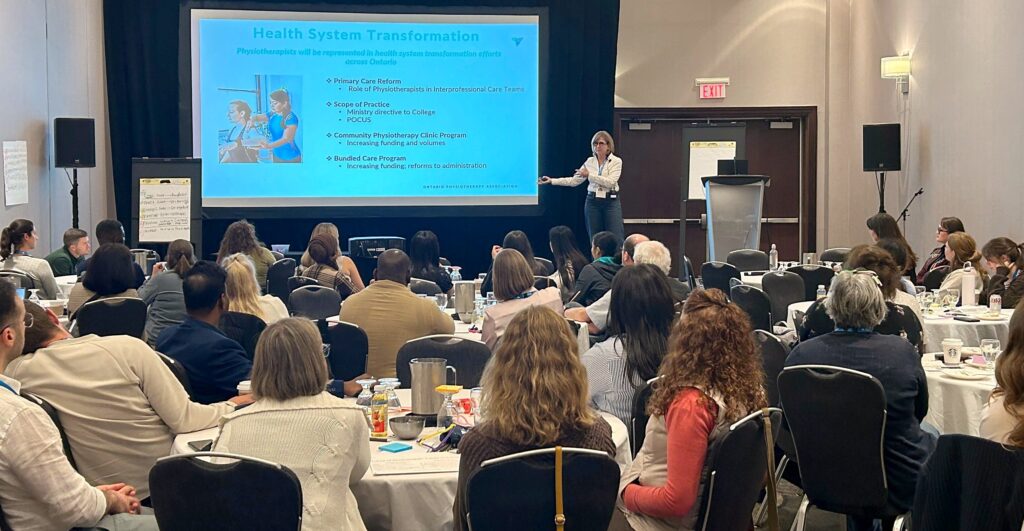
On November 16, as part of Bill 148, the Protect Ontario Families and Communities Act, 2026, the Ontario Ministry of Health announced next steps in its plan to expand the scope of practice for several regulated health professionals. 

The Ministry’s Summary Announcement

You may have noticed that physiotherapy was not explicitly referenced. This is in part because many of the legislative changes needed to allow physiotherapists to order certain X-rays and diagnostic ultrasounds are already in place. As the Ministry noted, many other professions need legislative amendments before their scope expansions can proceed. Bill 148 does include a proposed amendment for physiotherapists under the Healing Arts and Radiation Protection Act (HARPA) to enable physiotherapists to order x-rays. We are pleased to see this progress.

What OPA is Doing 

Expanded scope of practice remains a priority for OPA, and we continue to advocate on behalf of physiotherapists to government. Our advocacy has focused on ensuring physiotherapists can practise to their full scope. and We will keep pressing for the remaining regulatory changes to be completed.

We are encouraged that scope of practice changes are progressing and we look forward to the necessary regulations for physiotherapy also advancing in the coming months. You can follow our work on on our scope of practice advocacy page. 

Helping you Prepare 

We know members have questions about what these changes will mean for their practice. To help you understand and prepare, OPA and the College of Physiotherapists of Ontario are working together to offer a series of community events and a webinar on expanded scope. More information will be available at the end of November.

The College, as the regulator, is also building the framework and tools to support the profession and will be ready as soon as ordering diagnostics becomes a permitted activity.

We thank the Ministry of Health and the College for their ongoing collaboration. Please continue to check our website, newsletters and social media for updates.

Have Your Say 

See a summary of the Ministry’s proposal on the Regulatory Registry. Comments will be open for 30 days. 

Elevate 2026: Shaping the Future of Physiotherapy in Ontario 

OPA Leaders and Stakeholders Come Together to Imagine What’s Next 

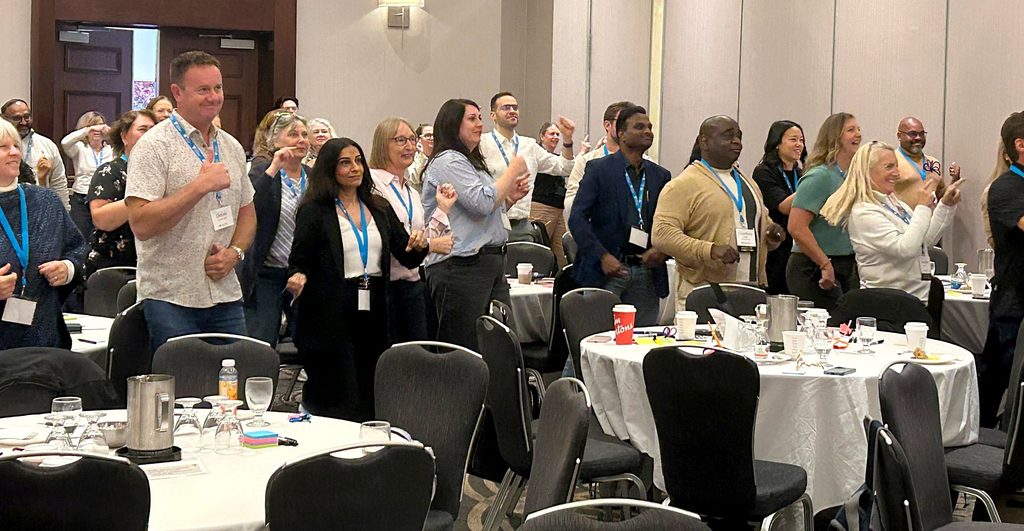
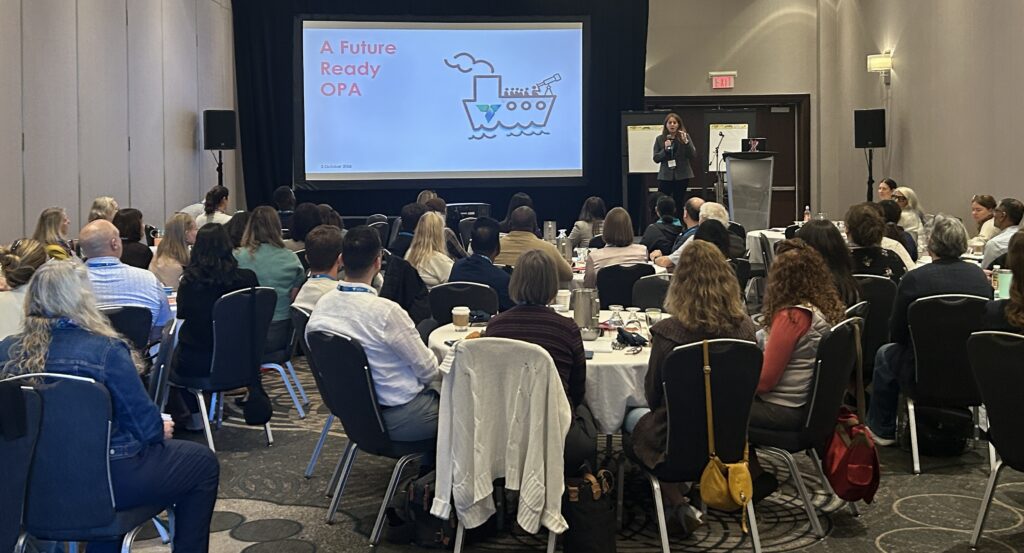
On October 3, 2026, the Ontario Physiotherapy Association (OPA) hosted a first of its kind event. ‘Elevate’ was designed specifically for OPA members who have contributed their time and expertise to the work of the Association. This included current and past members of the Board of Directors, District executives, Committee members, and those who participated in Working Groups and other OPA initiatives.  

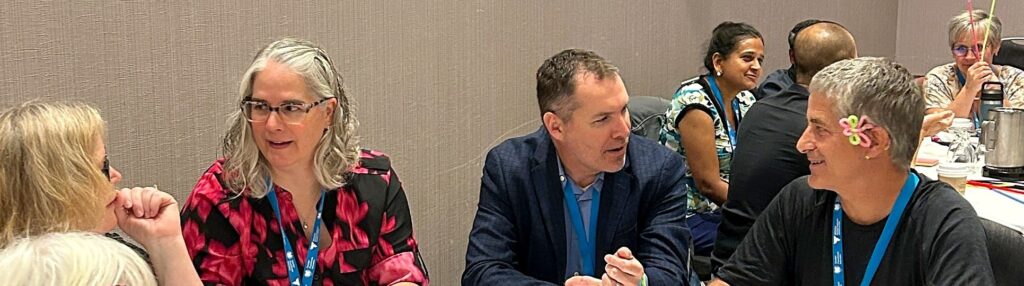
OPA developed Elevate to build on the amazing talents and contributions of our engaged members. We built opportunities for networking and collaboration and to gather their insights to help shape the profession’s future. A key question also guided the event:

What role will physiotherapy and OPA play in the future of healthcare? 

At a time when technology is transforming every aspect of how care is delivered, OPA challenged attendees to consider the opportunities that lie ahead. How can the Association best support its members and advocate for the future of physiotherapy care?  

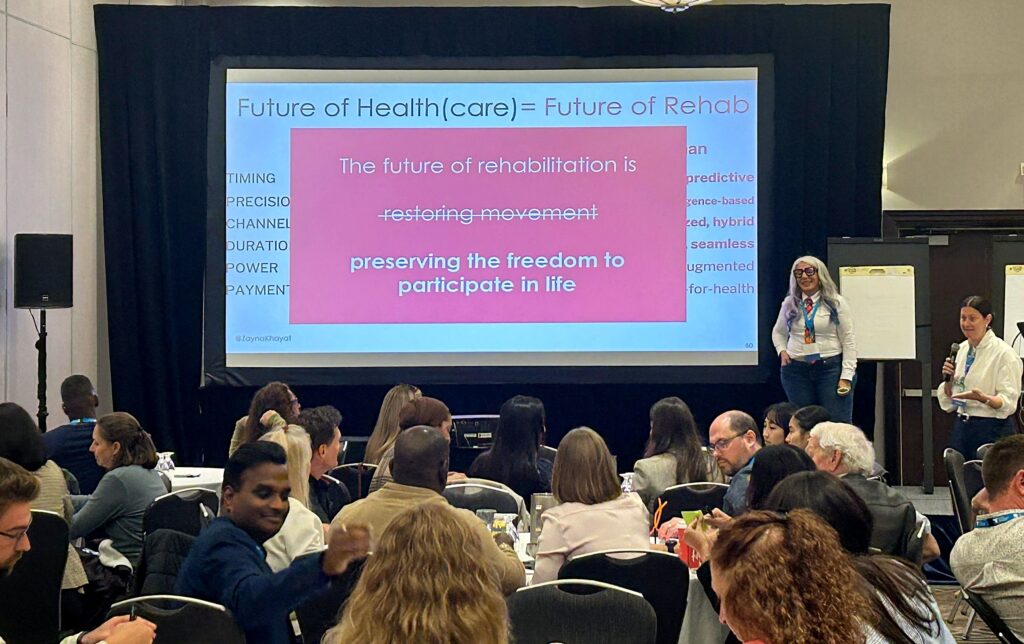
Elevate 2026 Keynote Speaker Zeyna

Keynote Speakers

Healthcare futurist, Zayna Khayat, and physiotherapist, scientist and leader, Laura Desveaux, led attendees to explore how physiotherapy can help shape a healthcare system that is not only more efficient, but more personalized, predictive, and proactive. These discussions will directly link to what OPA focuses on in developing our upcoming strategic plan. 

Physiotherapists Uniquely Positioned  

One message throughout the day was clear: healthcare is approaching a significant inflection point. While today’s healthcare system is largely designed to respond to illness and injury after they occur, emerging technologies are creating opportunities to identify risks earlier, support prevention, and preserve health before more intensive interventions become necessary. Physiotherapists are uniquely positioned within this shift. 

The Ontario healthcare system, funding and service delivery models have always focused on “sick” care. We treat injuries after they occur. We intervene after chronic conditions progress. We often only support patients after injury or functional decline has already occurred.  

The future model focuses on keeping people healthy, mobile, and independent longer through early intervention, better data, and more personalized care. This is an area where physiotherapists’ strengths align with the direction of healthcare. Speakers highlighted mobility data as an emerging vital sign for assessing and monitoring healthcare needs; an area in which physiotherapists possess unique expertise. 

Unlocking the Power of Healthcare Data 

Laura Desveaux, Elevate 2026 Keynote Speaker

Keynote speakers challenged attendees to think about the growing role of data and artificial intelligence (AI) in healthcare. For physiotherapy, the implications are significant. The profession has long championed patient-centered care, recognizing that each individual presents unique goals, circumstances, risks, and needs. Greater use of healthcare data could help clinicians move beyond population normative values and provide even more tailored physiotherapy care based on an individual’s specific situation. 

The conversation was not at all about replacing clinicians with technology. Instead, the conversation focused on how technology can enhance clinical expertise and support better decision-making, helping physiotherapists deliver the right care, at the right time, for the right patient.  

From Barriers to Possibilities  

Sarah Hutchison, OPA CEO presenting at Elevate

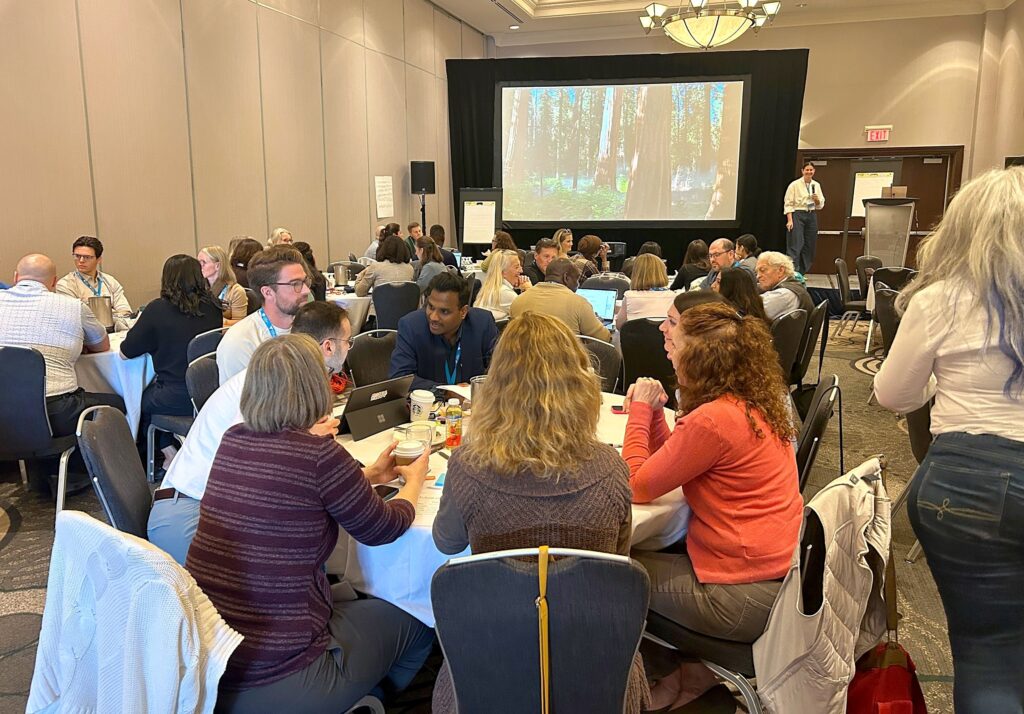
Sarah Hutchison, CEO of OPA, led the closing session of the day. She encouraged attendees to temporarily set aside the barriers that often dominate conversations about healthcare innovation. Attendees were challenged to ask different questions, framed with a new perspective from the earlier sessions.  

Charlotte Anderson, OPA President Presenting

Charlotte Anderson, President of OPA, assisted in facilitating the afternoon session and immediately saw shifts in perspective that sparked meaningful dialogue across the room. Leaders representing clinical practice, education institutions, health system planning, and professional advocacy chimed in about possibilities that may have seemed out of reach just a few years ago. 

Attendees shared their ideas about where OPA should go next. This included focusing on emerging trends in healthcare and on addressing members’ needs and wants.   

Looking Ahead 

Elevate 2026 Past Presidents attendees

Elevate was more than a discussion about AI, technology, and trends. It was a conversation about physiotherapists as leaders. As healthcare continues to evolve, physiotherapists have an opportunity to shape systems that prioritize prevention, mobility, independence, and better outcomes for patients. The ideas generated during Elevate will inform OPA’s ongoing work to advance the profession, advocate for innovative models of care, and ensure physiotherapists remain influential contributors to Ontario’s healthcare future. Through forums like Elevate, OPA is helping ensure physiotherapists have a voice in defining what comes next. 

We Want to Hear from Everyone 

If you would like to contribute to OPA’s work, we invite you to complete our Engagement Form. It only takes 3 minutes to complete.

We are stronger together! 

Member Spotlight: Becoming a Physiotherapy Officer in the Canadian Armed Forces 

A Career Pathway for Physiotherapists Seeking Leadership, Innovation, and Service 

In March 2026, the federal government announced new investments in Canada’s defence capabilities, including a significant increase in military personnel and operational readiness spending.1,2 While these announcements may not immediately bring physiotherapy to mind, they highlight a lesser-known and innovative career pathway available to physiotherapists interested in combining clinical practice and leadership, service, and professional growth.  

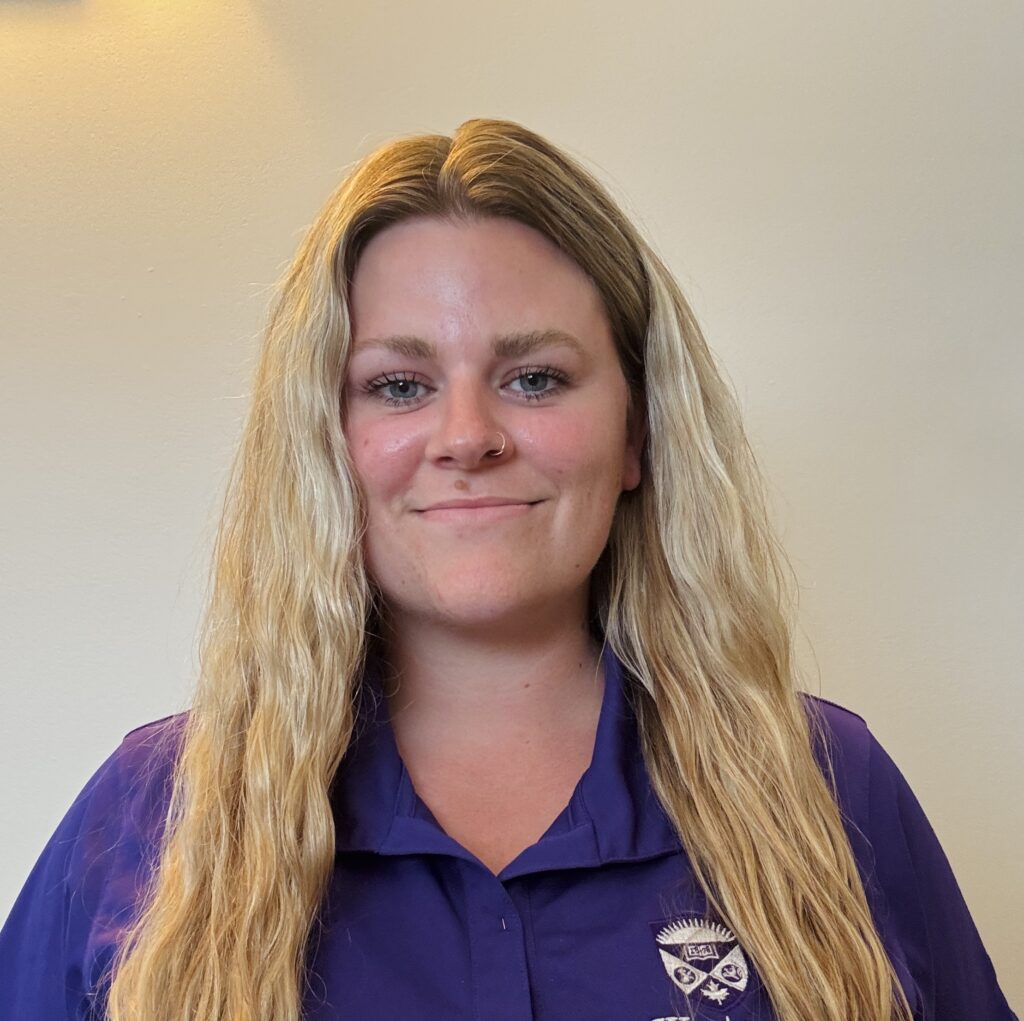
Lauren Robb, Physiotherapist in the Canadian Armed Forces
Lauren Robb
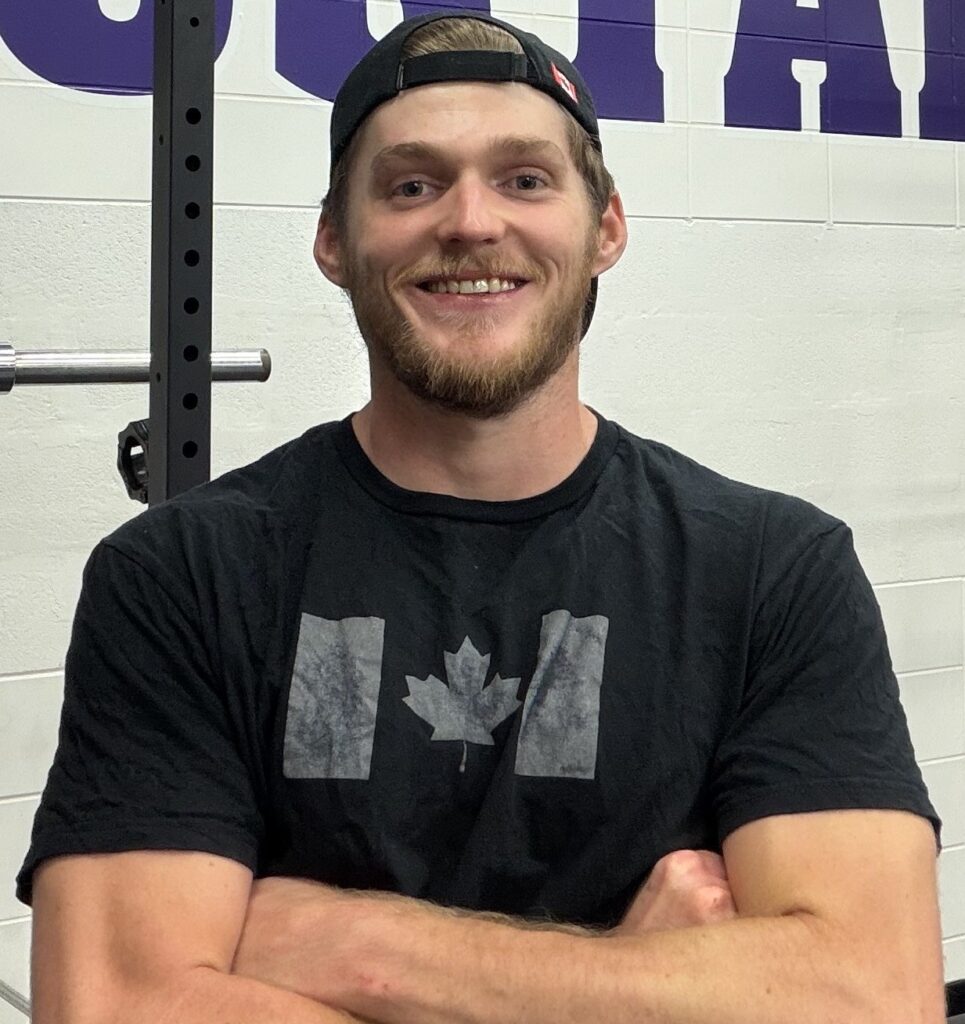
Kyle - Physiotherapist in the Canadian Armed Forces
Kyle Spenard

For Lauren Robb and Kyle Spenard, two recent physiotherapy graduates enrolled with the Canadian Armed Forces (CAF) Subsidized Education – Entry Level Master’s Program,3 becoming a Physiotherapy Officer offered far more than a traditional first job after graduation. It provided an opportunity to apply their physiotherapy education and clinical skills in a unique environment, work with highly specialized patient populations, and develop skills that extend beyond clinical practice.

The decision to join the CAF was more than a strategy to pay for graduate school. Their stories highlight how physiotherapists are finding innovative ways to build meaningful careers while helping meet the health and performance needs of the CAF. 

A Unique Clinical Population and Expanded Career Opportunities 

Physiotherapy Officers work with a diverse military population, including soldiers, pilots, divers, naval personnel, and other service members whose occupations place unique physical demands on their bodies.4,5 Supporting members of the CAF requires a physiotherapist to understand not only injury recovery, but also the operational requirements of military service. For Lauren, one of the most appealing aspects of military physiotherapy was the opportunity to practice in an environment that is unlike most civilian settings. 

“You might be treating a diver or someone in the Air Force or someone in the Navy, and they would all have very particular operational requirements.” – Kyle Spenard 

Both Lauren and Kyle were previously interested in treating athletic and high-performance populations which is now applicable to military personnel. Rather than focusing solely on traditional return-to-work goals, Physiotherapy Officers help military members safely return to highly specialized occupational roles. 

Lack of Funding Constraints Enables More Comprehensive Care 

Another meaningful difference between military and civilian physiotherapy is the ability to provide care without the same funding constraints that often shape treatment decisions in civilian practice. In the CAF, physiotherapy services are fully covered, allowing Physiotherapy Officers to base treatment frequency, duration, and follow-up on clinical need rather than on out-of-pocket costs, private insurance limits, or extended health benefits caps.

For many civilian populations, these extended health benefits limitations can affect how often patients attend physiotherapy and how long they are able to continue rehabilitation. Within the CAF, this creates greater opportunity to provide comprehensive, timely, and individualized care, supported by advanced equipment, longer appointments, and more consistent follow-up when clinically indicated. 

Confidence During the Transition to Independent Practice 

Graduating from physiotherapy school often brings uncertainty, as Kyle reflected. Licensing examinations, job searches, contract negotiations, and decisions about future career direction can create significant pressure for new graduates. For Lauren and Kyle, entering a clearly defined professional pathway with the CAF allowed them to focus on becoming excellent clinicians, while their peers were managing this transition to independent practice and securing a job.  

“That was not something I even needed to consider,” Lauren said when reflecting on the employment search process that many of her classmates were navigating. Kyle expressed a similar sentiment: “I could just focus on finishing, focus on studying for my CPTE exam.”   

A Structured Transition into Practice 

As entry to physiotherapy licensing continues to evolve in Canada4, new graduates are increasingly seeking opportunities for mentorship and supported professional development as they enter independent practice. The CAF pathway offers a structured transition-to-practice experience that is becoming increasingly uncommon in many healthcare settings.3,5 After graduating from their physiotherapy programs and completing basic military training, Lauren and Kyle will spend approximately a year working alongside experienced Physiotherapy Officers while participating in military-specific education and professional development. Lauren describes this experience as: “An amazing mentorship opportunity.” 

For physiotherapists who are passionate about lifelong learning, the CAF pathway provides opportunities to pursue advanced clinical education while working within a highly collaborative healthcare team.3,5 Kyle explained that military-funded courses include Advanced Integrated Musculoskeletal (AIMS) training, McKenzie Method Training, and dry needling and acupuncture. 

Building a Career Beyond Traditional Practice Settings 

One of the strongest themes that emerged from conversations with Lauren and Kyle was the importance of thinking broadly about what a physiotherapy career can look like. Many physiotherapy students are familiar with careers in private practice, hospitals, rehabilitation facilities, or community care. The CAF offers an alternative pathway that combines clinical care, leadership, education, and service.3,5 

Physiotherapy Officers may find themselves working across Canada, collaborating with diverse healthcare professionals, supporting military training programs, and contributing to initiatives focused on injury prevention, workforce readiness, and human performance.3,5 For clinicians interested in expanding their impact beyond individual patient encounters, these experiences can provide valuable perspectives on healthcare delivery and interdisciplinary collaboration. 

In many ways, the military pathway provides a structured transition-to-practice experience that many new graduates actively seek but may struggle to find in civilian settings. 

An Under-Recognized Opportunity for the Profession 

Perhaps the most surprising insight from both Lauren and Kyle was how few physiotherapy students appear to be aware of this pathway. They expressed surprise that more students had not explored CAF Physiotherapy Officer pathways given the combination of funded education, structured mentorship, specialized clinical experiences, career stability, and leadership opportunities. For students considering physiotherapy, Lauren encourages a long-term perspective. 

“The main thing is just considering your long-term goals, where you see yourself, where you want to be.” – Lauren Robb 

Kyle and Lauren’s experience with the CAF highlight an important message for the profession: there is no single pathway to becoming a successful physiotherapist. Whether working in private practice, research, healthcare leadership, advanced clinical roles or military service, physiotherapists continue to find creative and meaningful ways to apply their skills. For those interested in serving a unique patient population, a career as a CAF Physiotherapy Officer offers an innovative pathway that deserves greater visibility within the profession. 

Are You Our Next Member Spotlight? 

Do you want to be featured? Are you in an innovative role? Spoken about physiotherapy in a podcast or the news? Published an article? Or represented the physiotherapy profession through advocacy? 

We want to celebrate you as a PT, or PTA student or PTA! 

References 

1  Prime Minister Carney announces Canada has achieved the NATO 2% defence spending target | Prime Minister of Canada  

2 Canada’s new government is rebuilding, rearming, and reinvesting in the Canadian Armed Forces | Prime Minister of Canada  

3 Physiotherapy Officer | Canadian Armed Forces  

4 Join the Future of Physiotherapy in Canada — Become an Examiner for the Pilot of CAPR’s New Canadian Physiotherapy Examination (CPTE) – Canadian Alliance of Physiotherapy Regulators

5 Life in the Forces | Canadian Armed Forces

Exploring the Experience of Internationally Educated Physiotherapists in Ontario

The Challenges and the Opportunity  

In 2026, internationally educated physiotherapists (IEPTs) represent 35% of all registered physiotherapists in Ontario. They are essential to Ontario’s physiotherapy workforce. Many IEPTs have successfully transitioned to physiotherapy practice in Ontario. They make significant contributions to the profession, from clinical roles, to administration, and research, and their contributions are vast and varied. 

However, through various consultations, OPA came to understand that the IEPT journey, from immigration to professional registration, to employment and practice, can be quite challenging. The transition to practice has many layers, from adjusting to a new country and language (for some), to adapting to new professional requirements and a new health care system.

OPA Launches Survey

In response to these identified challenges, OPA set out to better understand the professional journey, workforce integration experience, and workplace challenges, through a survey. We collected quantitative data and open-ended questions from Ontario’s IEPTs. OPA partnered with the College of Physiotherapists of Ontario (CPO) to promote broad dissemination of the survey through a variety of channels.   

The Response from IEPTs  

Between June 19, 2026, and July 24, 2026, 529 IEPTs completed the survey, representing more than 10% of Ontario’s IEPT population.  Respondents reported being trained in: 

  • India (65%) 
  • UK (7%) 
  • Australia (2%) 
  • United States (2%) 
  • 23% reported “Other”  

70% of respondents had been practicing for 3 years or less in Ontario, with more than half having less than 1 year of experience. 

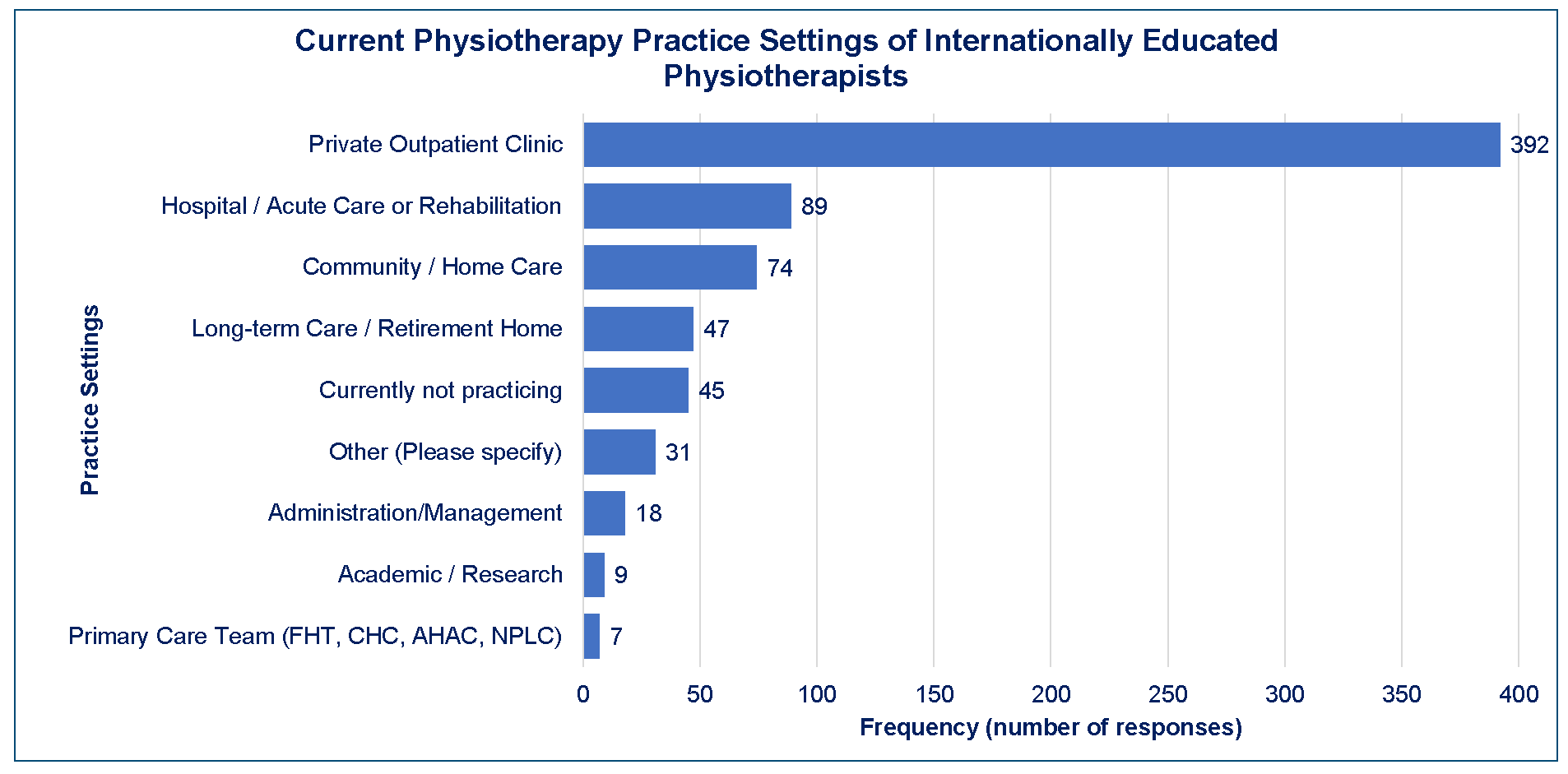
Most respondents work in private outpatient clinics (74%), followed by acute care and rehabilitation (17%), and home care (14%). The remaining respondents reported employment experience in areas of long-term care, administration, academia and primary care teams. (Figure 1).  

Figure 1. Self-reported practice settings by survey respondents (n=529) 

Key Outcomes and Themes 

IEPT Practice Settings Distribution

Acronyms: FHT = Family Health Team; CHC = Community Health Centre; AHAC = Aboriginal Health Access Centre; NPLC = Nurse Practitioner-Led Clinic.

Note: Respondents could select all that apply; therefore, the frequencies may sum to more than the number of respondents (n=529)

Analysis of both the quantitative and open-ended responses from the survey identified four main themes. 

1. Physiotherapist licensing in Ontario is perceived as lengthy, expensive, and difficult to navigate for IEPTs 

Licensing costs, credentialing reviews, examinations, and varying timelines were frequently cited as barriers to registration. Respondents also described challenges accessing clear information on requirements and exam preparation. 

“Overall, the transition to practice was much more challenging than expected.” 

“Expensive cost for the process of getting licensed.” 

“Too many steps and procedures, long process.”

2. IEPT Bridging programs appear to improve readiness for physiotherapy practice 

Respondents who completed bridging programs report smoother adaptation to Canadian practice. Nearly half of respondents (45%, n=239) identified CPO and bridging program guidance as the most valuable topic for OPA workshops and resources. 

“A stark difference between people who underwent Ontario International Educated Physical Therapy Bridging Program at UofT [and those] who did not, in adapting to and exploring various subcategories of PT career in Ontario.” 

3. Workforce integration challenges persist after licensure for IEPTs 

Respondents frequently reported employment challenges related to inconsistent work hours, compensation, workload, and completing documentation outside paid work hours. Some respondents noted that available employment opportunities did not align with their personal or professional values, contributing to feelings of dissatisfaction within the profession. Nearly one-third of respondents (32%, n=169) identified finding employment and navigating the recruitment process as one of their top three challenges when entering practice in Ontario. They cited knowledge gaps around practice settings, job expectations, and employment conditions. 

“Finding reliable employment.” 

“Finding full time working hours in private outpatient…Not getting paid for documentation from any employers.” 

4. Ontario practice systems remain difficult to navigate for IEPTs after registration 

Respondents identified the need for additional supports and training in understanding expectations related to the patient-clinician relationship, including: 

  • communication norms
  • trust-building 
  • consent
  • and shared decision making

266 respondents (50%) reported that, “Adapting to the Canadian healthcare system and patient expectations” were one of the top three challenges they faced since beginning practicing in Ontario. 

“I did not know where to start finding someone to answer my questions… and I’m from Ontario.” 

“Ethical rules, standards and resources that are different.” 

Next Steps for OPA 

OPA is turning the survey findings into action. The results of the survey have identified several opportunities to further engage with, and support, IEPTs who are transitioning to practice in Ontario. Importantly, 71% of respondents were not OPA members, and 62% were unaware of the services and support that OPA provides. This signals both a need and an opportunity to strengthen connections with IEPTs, with this survey engagement project being an important first step. 

Pathway to Licensure and Preparatory Training 

At the time of survey distribution and data collection, support resources for licensure preparation were largely limited to private preparatory courses, exam blueprints, and Canadian Alliance of Physiotherapy Regulators (CAPR) practice examinations. Since the survey closed (July 2026), CAPR has announced the development of a free CPTE preparatory course, available through a CPA student membership. This initiative may address barriers identified in the survey results. However, follow up evaluation would be required to determine if there is a significant improvement in the overall perspective. 

Additionally, CAPR has released the new Comparability Pathway, with accompanying resources to help support the road to licensure. OPA will continue to monitor the impact of these tools, while also identifying the opportunity to collaborate more closely with CAPR to promote early access to OPA member supports, as IEPTs go through the licensing process. 

Physiotherapist Practice Supports 

The challenges identified in relation to practice transition are often not unique to IEPTs, specifically, with respect to understanding employment opportunities and navigating the often-complex landscape of physiotherapy service delivery in Ontario. 

For this reason, OPA is exploring opportunities to provides supports that would meet, not only the identified needs by IEPTs, but also challenges experienced in the student to new grad transition in Ontario, and across the general membership, including: 

  1. Establishing opportunities for mentorship, whether in group or individual formats.
  1. Developing resources to support navigation through the public and private healthcare landscape in Ontario, including various funding models, such as WSIB, MVA, etc. 
  1. Expanding OPA’s existing resources on finding and evaluating job opportunities for physiotherapists in Ontario. 

The development and implementation of these opportunities will occur over the next several months. Be sure to stay tuned for future developments. 

Thank You to Survey Respondents 

OPA would like to extend a sincere thank you to all physiotherapists who responded to the survey. Your contributions have been invaluable in identifying opportunities for OPA to better support IEPTs. 

This work will not only support IEPTs in their journey; it will support some of the profession’s core priorities, including access to care, quality of care, workforce sustainability, professional standards and member support. Helping IEPTs integrate effectively into the Ontario healthcare system strengthens the entire physiotherapy workforce. 

For additional information on this initiative, please reach out to the Practice and Policy Team at OPA. 

Another Successful Donate Your Kicks Campaign! 

Donate Your Kicks Campaign 2026

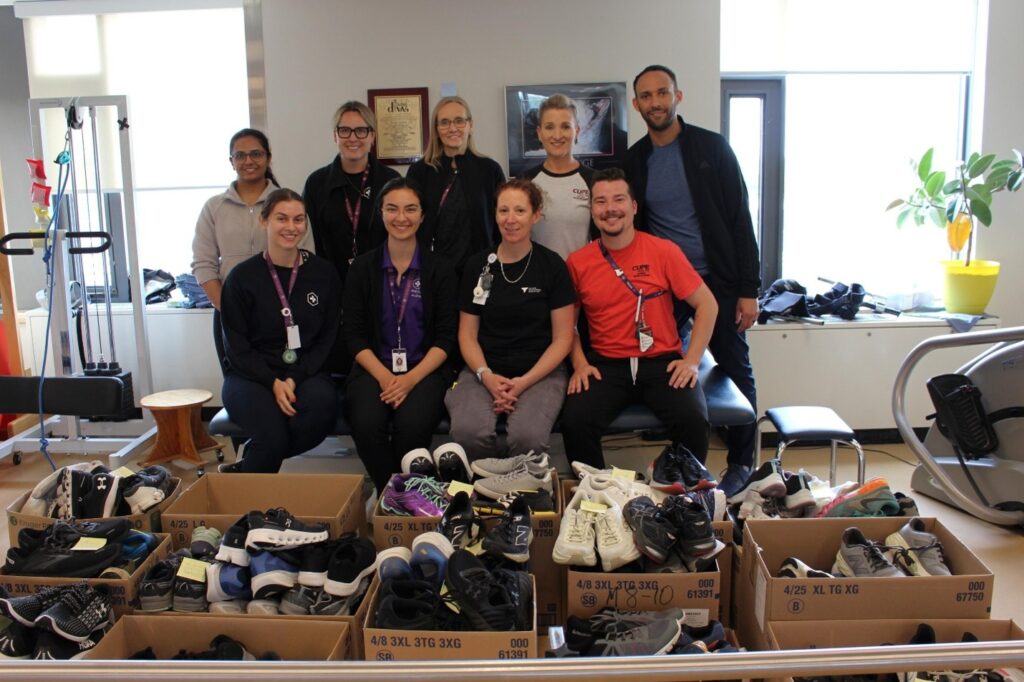
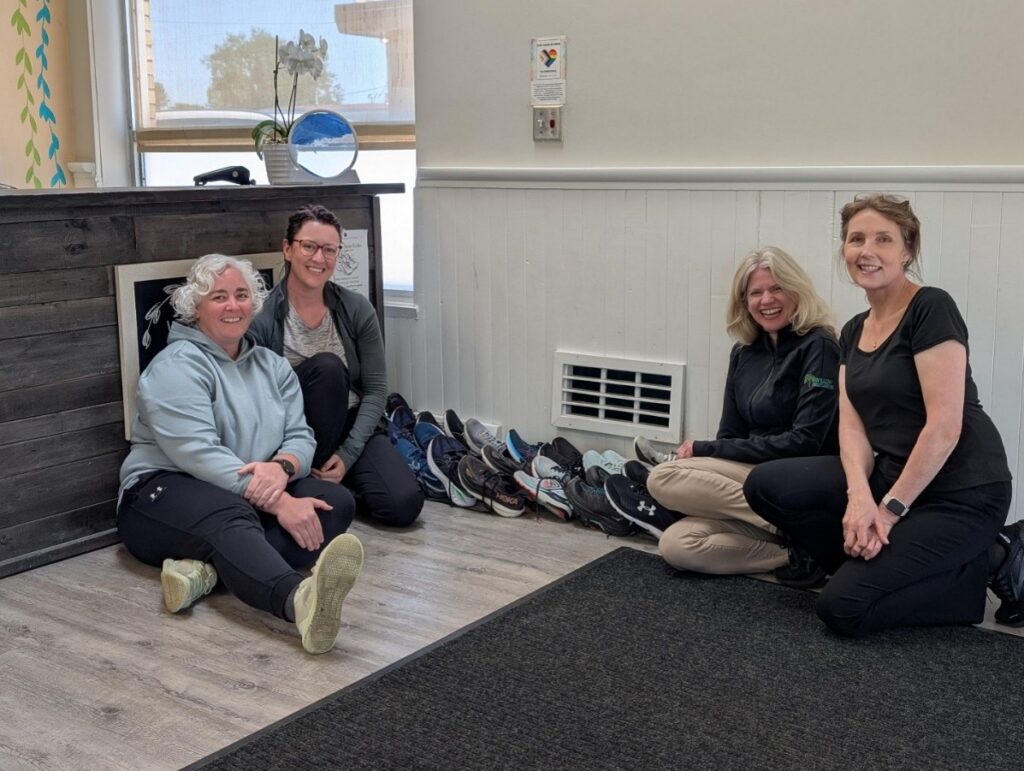
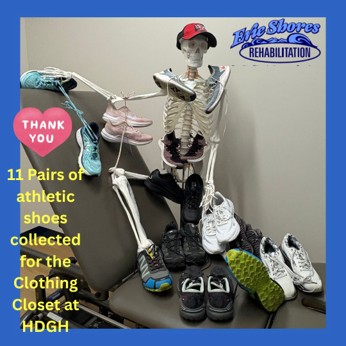
The OPA Windsor District extends a huge thank you to everyone across Windsor-Essex who participated in the 2026 Donate Your Kicks Campaign! Held throughout the month of May in celebration of National Physiotherapy Month, the shoe drive was organized by Hotel-Dieu Grace Healthcare (HDGH) and the Windsor District of OPA to help stock the HDGH Clothing Closet, giving patients access to footwear and clothing they may need. 

The campaign’s goal is simple but meaningful: a good pair of shoes can make all the difference in a patient’s recovery. Without proper footwear, mobility and rehabilitation can be significantly harder to achieve. Thanks to the generosity of staff, students, volunteers, and the wider community, patients throughout the rehab hospital now have greater access to the shoes they need to get moving again. 

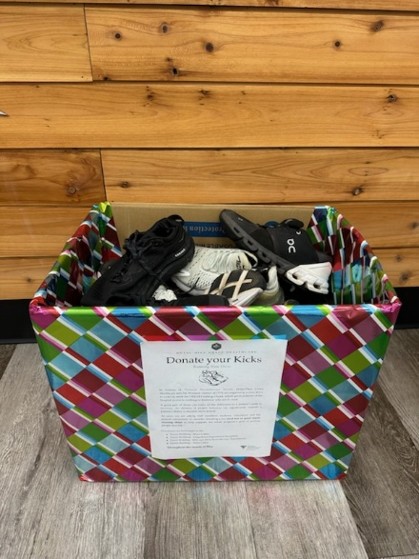
This year’s campaign wouldn’t have been possible without the support of several community partners who set up their own collection boxes, including: 

  1. The Running Factory (Manager Kristy Ireland) 
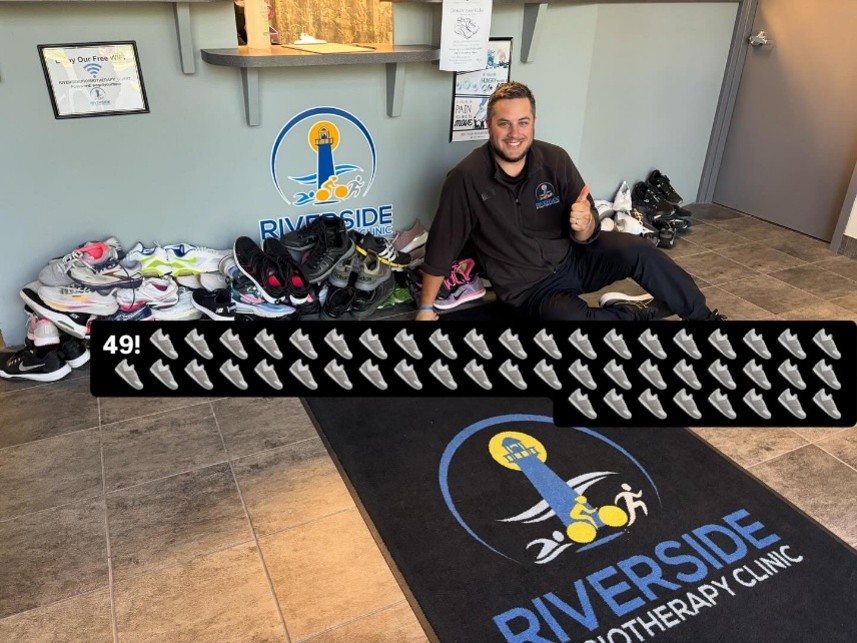
  1. Riverside Physiotherapy (Troy Sajatovich, PT, and staff) 
Riverside Physiotherapy
  1. Loaring Physiotherapy (Wesley Bellemore, PT, and staff) 
  1. Leap Physiotherapy (Alex Graham, PT, and staff) 
Leap Physiotherapy
  1. Willow Health Centre, Chatham (Tegan Vermey, PT, and staff) 
Willow Health Centre Chatham
  1. Erie Shores and Rehabilitation, Kingsville (Roberta Weston, PT, and staff) 
Erie Shores and Rehabilitation Kingsville
  1. Tecumseh Physiotherapy (Danese Tezer and Sarah Primeau, PTs, and staff) 

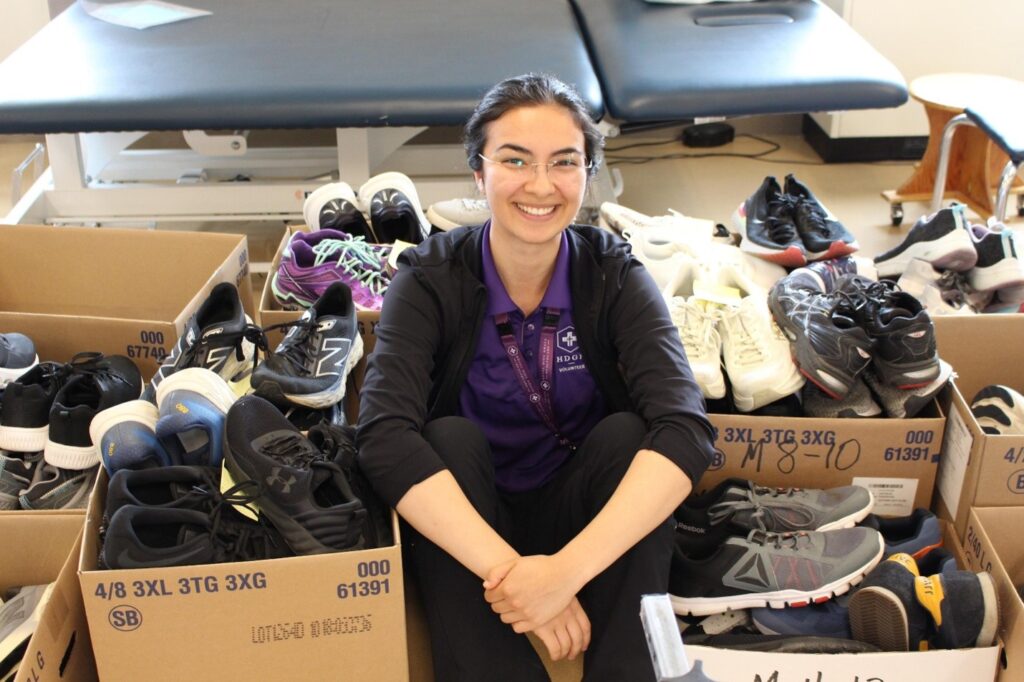
A special thank you was also extended to HDGH Rehab 4 volunteer Simona Brezeanu, who generously gave up her own time to clean, sort, and organize more than 200 pairs of donated shoes! Her dedication and hard work behind the scenes made a huge difference in getting these donations ready for patients in need. 

HDGH Rehab 4 volunteer Simona Brezeanu

The OPA Windsor District thanks everyone who donated, collected, and volunteered to make this year’s campaign such a success, and looks forward to bringing the Donate Your Kicks Campaign back again next year! 

Member Spotlight: An Internationally Educated Physiotherapist’s Journey from India to Ontario

Foundations: A Journey of Resilience, Leadership, & Advocacy 

Venkata Patnala, Physiotherapist and Member Spotlight with Ontario Physiotherapy Association

Venkata Patnala’s path in physiotherapy was born in India. A personal experience emphasized the importance of clinical vigilance and served as the foundation of his journey into the medical field. 

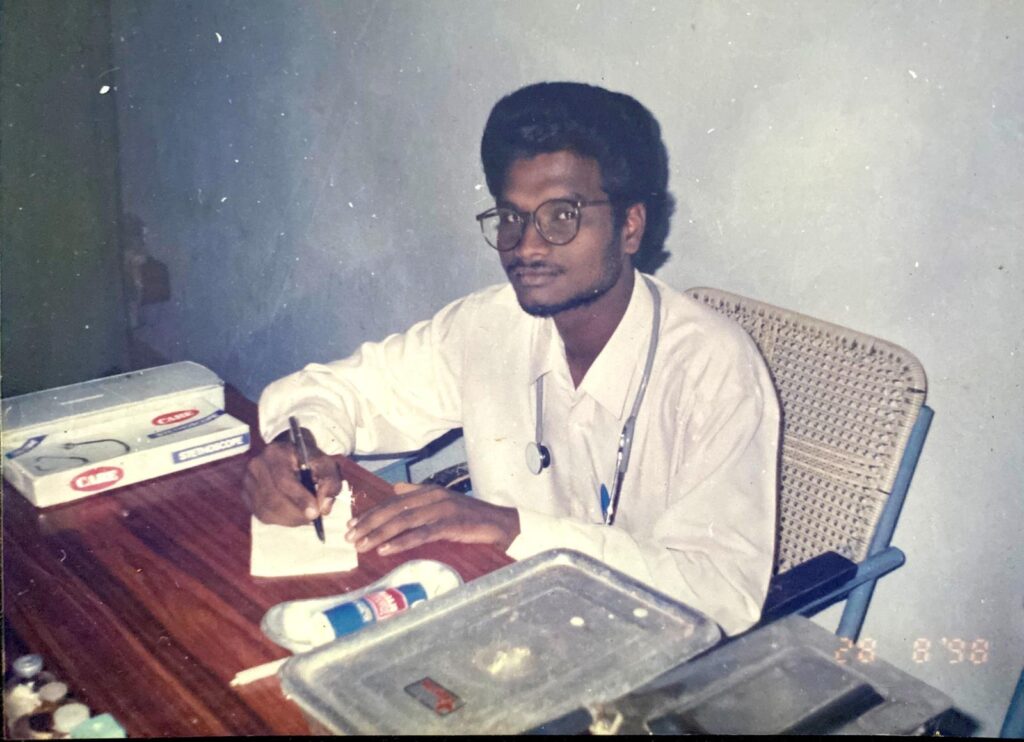
After pausing his formal education for several years due to family responsibilities, he immersed himself in hands-on healthcare. He worked in a rural pharmacy setting and assisted in hospital as a medical assistant and surgical assistant, eventually helping establish a community first-aid service at just 18. Alongside this, he demonstrated early leadership by founding a private school and managing a team of tutors while completing his secondary education.

Venkata Patnala as a First aid medical practitioner in 1998
Venkata Patnala providing community first-aid services in rural India in 1998

Venkata went on to earn his Bachelor of Physiotherapy in 2005, overcoming the challenge of transitioning to an English-language curriculum. As a student, he founded the Samaikya Andhra Physiotherapy Students Association and took on a leadership role advocating for peers. He later established and expanded multiple clinics in India while continuing his education, completing a Diploma in Pharmacy and a Master’s in Orthopedics and Trauma. 

Continuous Learning Across Borders 

In 2013, Venkata brought his combined experience in clinical care and leadership to Canada. Since becoming a Registered Physiotherapist in Ontario in 2014, he has remained focused on integrating strong clinical reasoning with compassionate, patient-centered care. 

Over the years, he has pursued advanced training in Orthopedic Manual Therapy (COMPT), the McKenzie Method (Cert. MDT), Gunn Intramuscular Stimulation through the University of British Columbia, and medical acupuncture through McMaster University. 

As his experience deepened, so did his clinical focus. He became increasingly drawn to the complexities of spinal conditions, particularly scoliosis and kyphosis. This led him to complete certification in the BSPTS-Schroth method and to pursue further advanced training through the Italian Scientific Spine Institute (ISICO). Through this work, he developed a more nuanced understanding of how posture, movement patterns, and structural changes interact over time. 

The Connected System: From Spine to Foot 

While treating patients with spinal conditions, Venkata began to notice a recurring pattern. Some issues that appeared to originate in the spine were influenced by factors elsewhere in the body. 

“I started noticing that certain spinal problems were not just coming from the spine,” he says.“They were sometimes influenced by movement patterns and biomechanical factors originating at the foot and lower limb.”  

This observation led him to explore the relationship between spinal alignment and foot biomechanics more deeply. To strengthen this connection in his practice, he is pursuing formal education in chiropody at The Michener Institute of Education at UHN. By combining these areas of expertise, Venkata has developed a more integrated approach to care. Rather than treating isolated symptoms, he looks at how different parts of the body interact and contribute to overall function. 

Clinical Vigilance and Mentorship 

Over the course of his 20-year career, Venkata has come to value clinical judgment as one of the most important skills in physiotherapy. He recalls instances where patients presented with what seemed like routine musculoskeletal concerns, but further assessment revealed the need for medical referral. 

“It’s not just about treating. It’s about knowing when something does not fit the usual pattern and taking a closer look,” he explains. This mindset continues to shape his daily practice. It also informs the way he mentors students and colleagues, encouraging careful assessment, critical thinking, and a strong focus on patient safety. 

Building Community 

Venkata’s contributions extend beyond his clinical work. As the founder and first president of the Halton Telugu Association, he has helped create a space for Telugu families to connect and support one another across the region. “Moving to a new country comes with challenges that go beyond work,” he says. “There is also the cultural adjustment and the need to feel connected.” Through this initiative, he supports families, mentors younger members of the community, and helps preserve cultural traditions within Canada’s diverse social landscape. 

“For me, it is about creating a sense of belonging,” he adds. “In healthcare and in life, connection and support make a real difference.” 

Supporting the Global Community of Care  

Reflecting on his own journey, Venkata sees the transition to Canada as more than just a licensing process; it is an opportunity to build meaningful connections and community. 

“For internationally educated physiotherapists (IEPTs), my advice is to stay patient, open, and engaged,” Venkata says. “Seek mentorship early but also be willing to share your own experiences. Your clinical background is not something to set aside, it is something to build upon.” He emphasizes that joining professional associations and local cultural groups can create a dual support system that provides both clinical guidance and a sense of belonging. 

For Canadian-trained clinicians and leaders, Venkata highlights the value of active inclusion. “Internationally educated physiotherapists often bring a wide range of clinical exposure from diverse, high-volume settings. Recognizing and integrating these perspectives strengthens our teams and enhances the care we provide.” 

“When we create environments where people feel valued and supported, everyone benefits,” he adds. “It not only helps clinicians grow but also allows us to better serve the diverse communities of Ontario. Ultimately, it is our patients who benefit the most from that collaboration.” 

Looking Ahead  

Today, Venkata continues to grow as a clinician, educator, and community leader. His work reflects an integrated perspective that brings together advanced physiotherapy, specialized scoliosis care, and foot biomechanics. He remains committed to learning and to refining his approach with each patient he sees. 

“Every patient teaches you something,” he says. “That is what keeps the work meaningful and keeps you moving forward.” 

Are You our Next Member Spotlight?

Do you want to be featured? Are you in an innovative role? Spoken about physiotherapy in a podcast or the news? Published an article? Or represented the physiotherapy profession through advocacy?

We want to celebrate you as a physiotherapist, PT or PTA student or PTA!

Charlotte Anderson, OPA’s President Message, June 2026

Watch Charlotte Anderson, OPA’s President, share highlights after the first meeting of the 2026–2027 Board of Directors.  

She speaks to OPA’s ongoing CPC advocacy, the What’s Next campaign featuring PTs and patients from across the province and work the Association is doing regarding recent scope of practice changes. You can reach Charlotte at president@opa.on.ca.  

Introducing OPA’s 2026-2027 Board of Directors

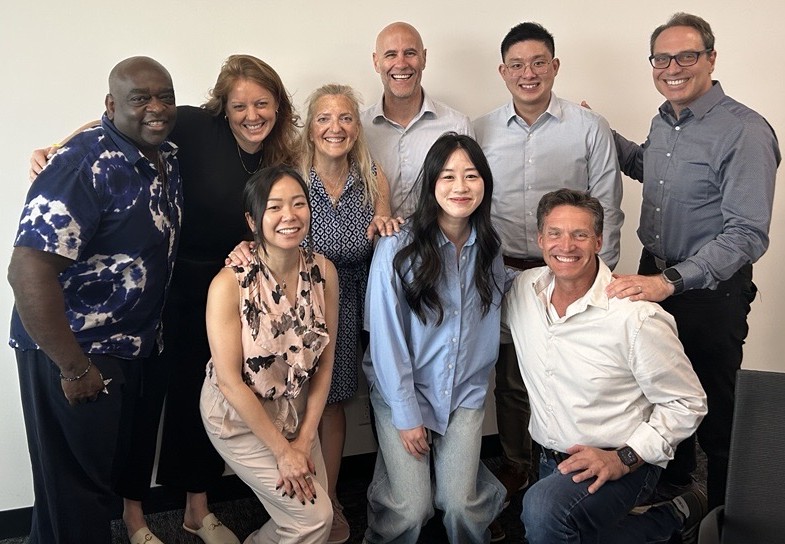
2026-2027 OPA Board of Directors (From L to R: Courtney Bean, Charlotte Anderson, Jennifer Howey, Kyle Whaley, Terry Wang, Anthony Grande, Carrie Lau, Wing Ting Truong, David Egbert

Charlotte is joined on the 2026-2027 Board by Courtney Bean, David Egbert, Anthony Grande, Jennifer Howey, Carrie Lau, Wing Ting Truong, Terry Wang and Kyle Whaley. The Board met on Saturday, June 6, to continue the work of the Association on behalf of Ontario’s physiotherapy community.

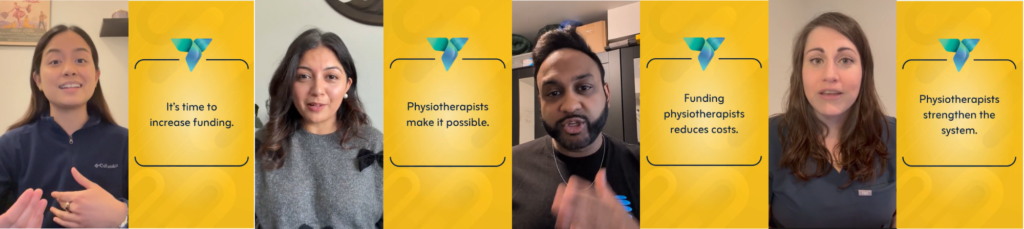
OPA Launches “What’s Next for Physiotherapy?” 

What's Next for PT marketing campaign participants

This June, OPA launched an ambitious province-wide campaign. It is designed to channel a defining moment in Ontario physiotherapy into a long-term conversation about the future of the profession, patient care, and healthcare in Ontario. 

The goal is to reach physiotherapists across every region, practice area, and career stage in Ontario, grow awareness of what the profession can and should be, and establish OPA as the place where that conversation happens.  

The campaign isn’t about OPA speaking to physiotherapists. It’s about physiotherapists speaking to physiotherapists. 

Why This Campaign Matters

Ontario’s healthcare system is under mounting pressure: demand for care is growing, the population is aging, and delivery models are evolving faster than ever. Physiotherapists are already at the front lines of that shift, reducing unnecessary ER visits, supporting earlier interventions, and improving access to care across the province. With expanded scope now underway, the question is no longer whether physiotherapists can do more. It’s what comes next, and how the profession will help shape it. 

The campaign’s approach is as deliberate as its message. What’s Next was built around short videos featuring real physiotherapists and patients speaking in their own voices, grounded in lived clinical experience. They share views on where Ontario’s healthcare is headed. Audiences trust people more than corporate messages, and social platforms reward that authenticity. OPA leaned into that reality fully. 

What This Means for the Profession – and For You

This campaign speaks to every practice area of the profession. Whether you work in private practice, a hospital, or a community health setting, it validates the work you do every day. It makes the case, publicly, for the expanded role physiotherapists are already fulfilling. It connects individual challenges around access and funding to a system-wide argument: physiotherapy isn’t a complement to Ontario’s healthcare system. It’s a cornerstone of its future. 

The What’s Next campaign is a direct expression of what OPA does: advocate for the profession and ensure physiotherapists have a seat at the table when decisions about Ontario’s healthcare are made. That work happens because members across the province choose to invest in it collectively, and this campaign gives every one of them something to rally behind. 

Join the Conversation

The campaign is now live. Watch the videos, explore the patient stories, and join OPA if you’re not already a member, so you can be part of shaping what comes next.  

Not yet an OPA member?  

An OPA membership supports advocacy, connects you with peers across the province, and gives you industry-leading insurance coverage, all while ensuring your profession speaks with one powerful voice. 

The future of physiotherapy in Ontario is already taking shape. Be a part of it. 

National Physiotherapy Month Excitement! 

Every year, the Ontario Physiotherapy Association highlights the experiences of its members and the impact they make with their clients and in their communities. 

National Physiotherapy Month takes place in May and members in 2026 could participate in two ways:

  1. Tagging OPA with both #npm2026 and #wearept so that we could share their post. 
  1. Submitting their pictures for OPA to publish on our communications platforms. 

We were pleased to see how the physiotherapy community got involved! 

Check out a few of those who tagged us or submitted directly:

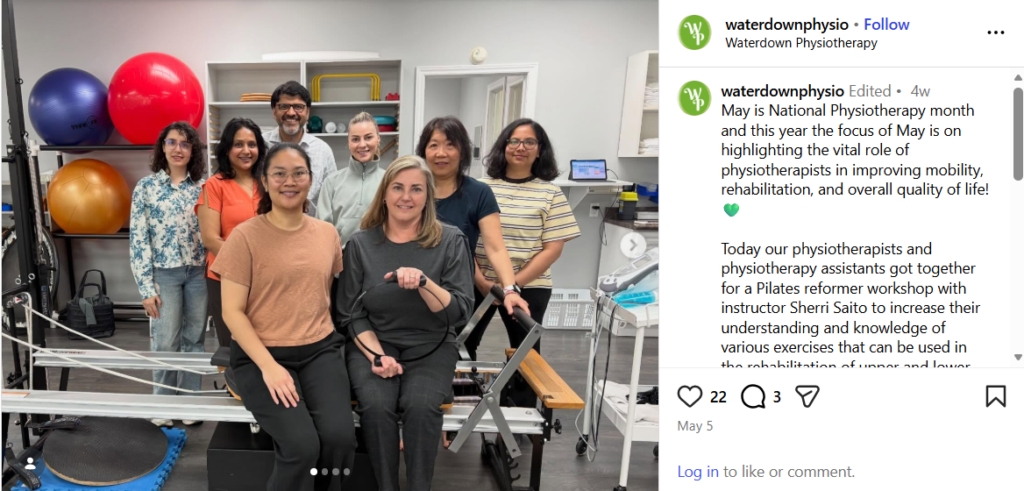
Waterdown Physiotherapy Celebrating National Physiotherapy Month
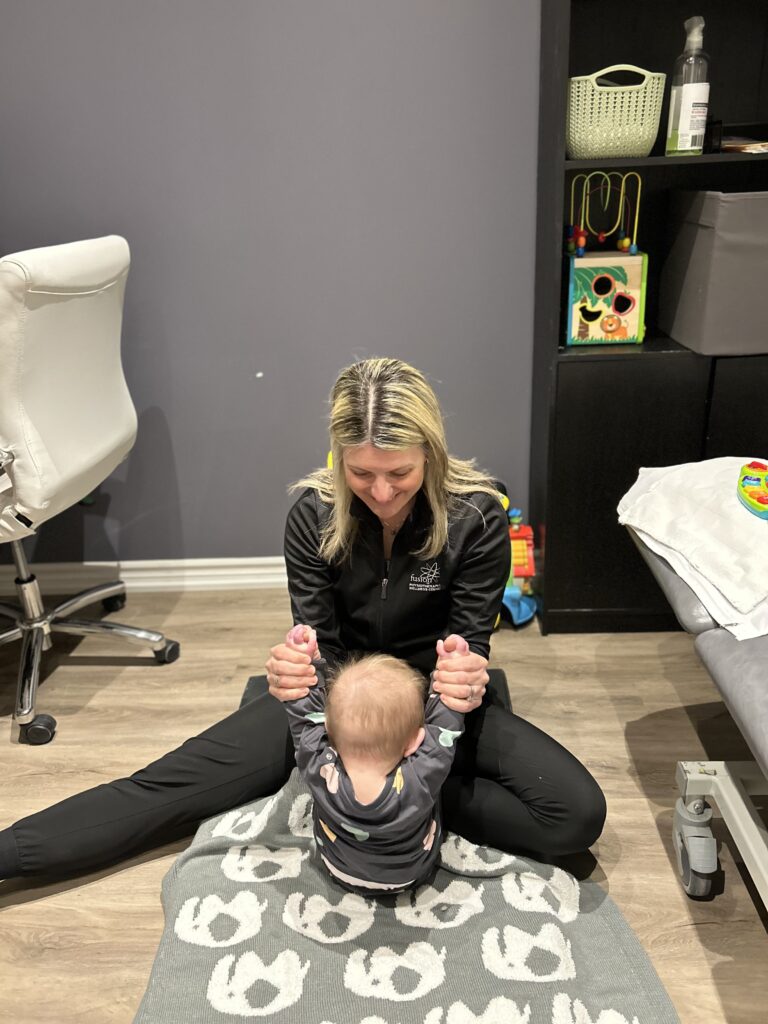
Natasha Weber, Physiotherapist with client for National Physiotherapy Month
Natasha Weber, Physiotherapist
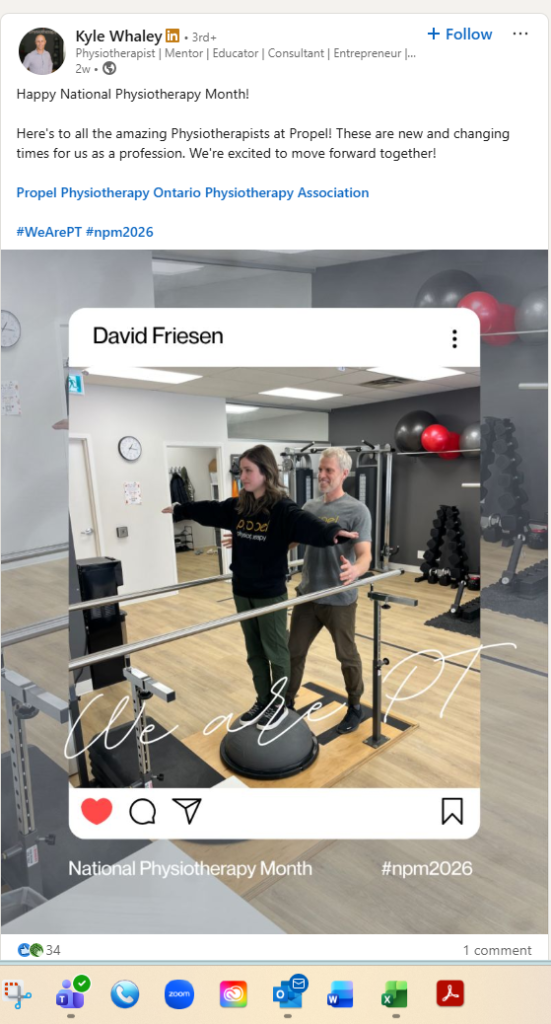
Kyle Whaley from Propel Physiotherapy
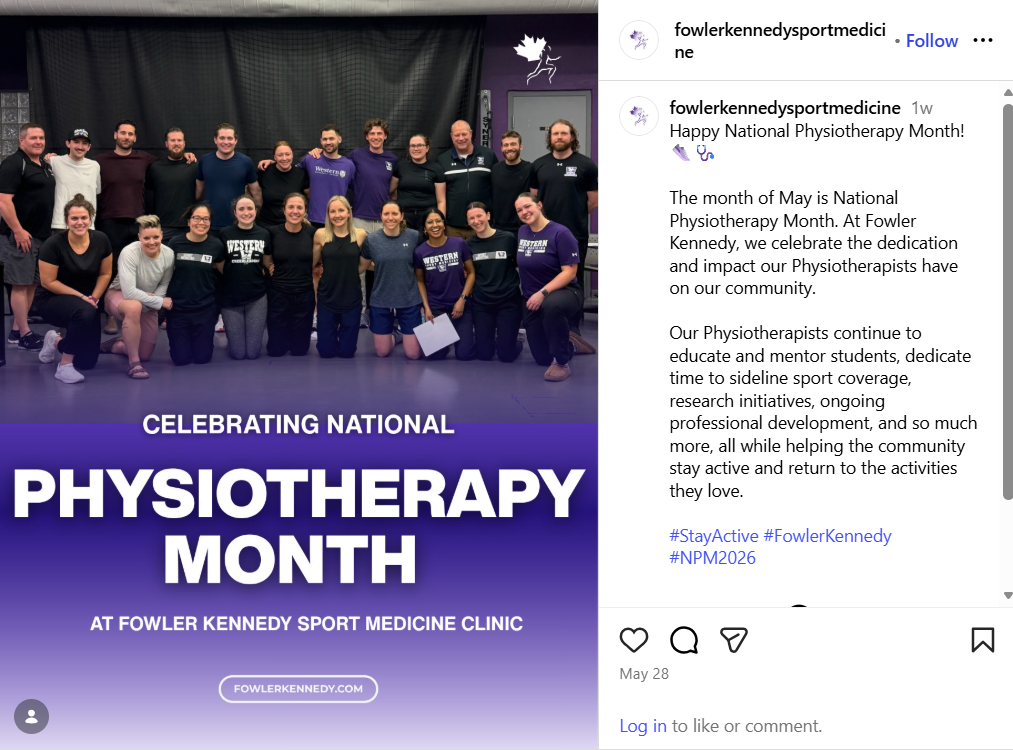
Kennedy Sports Medicine Clinic Celebrating National Physiotherapy Month
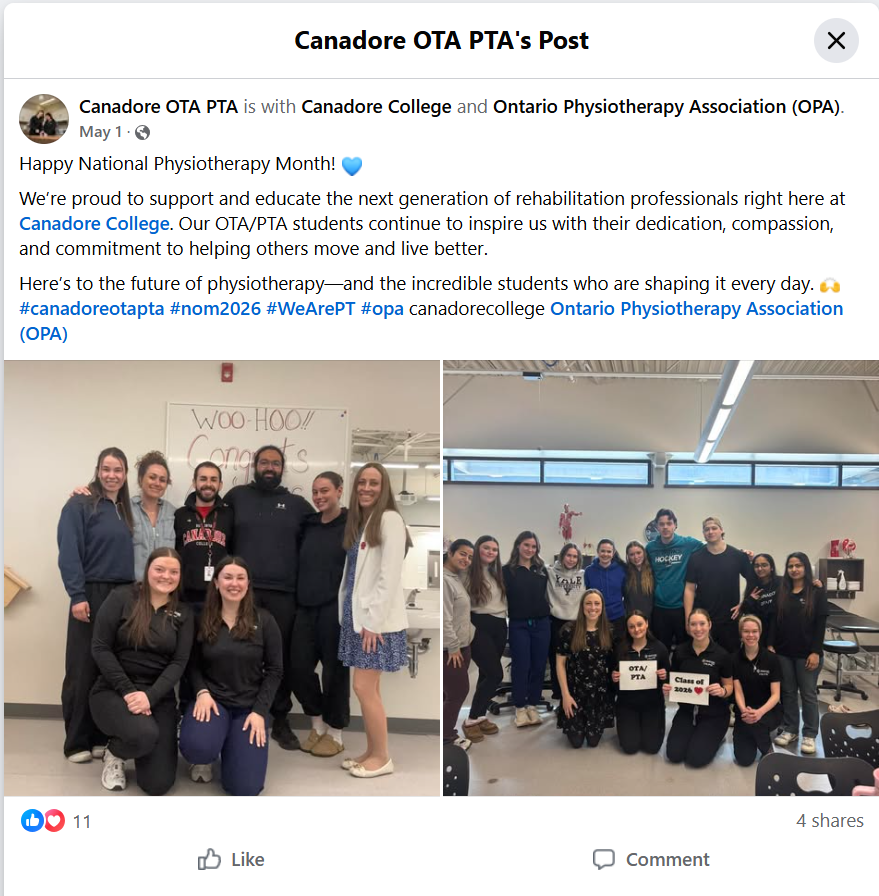
Canadore College picture with PTAs/OTAs

Thank You from OPA Staff!

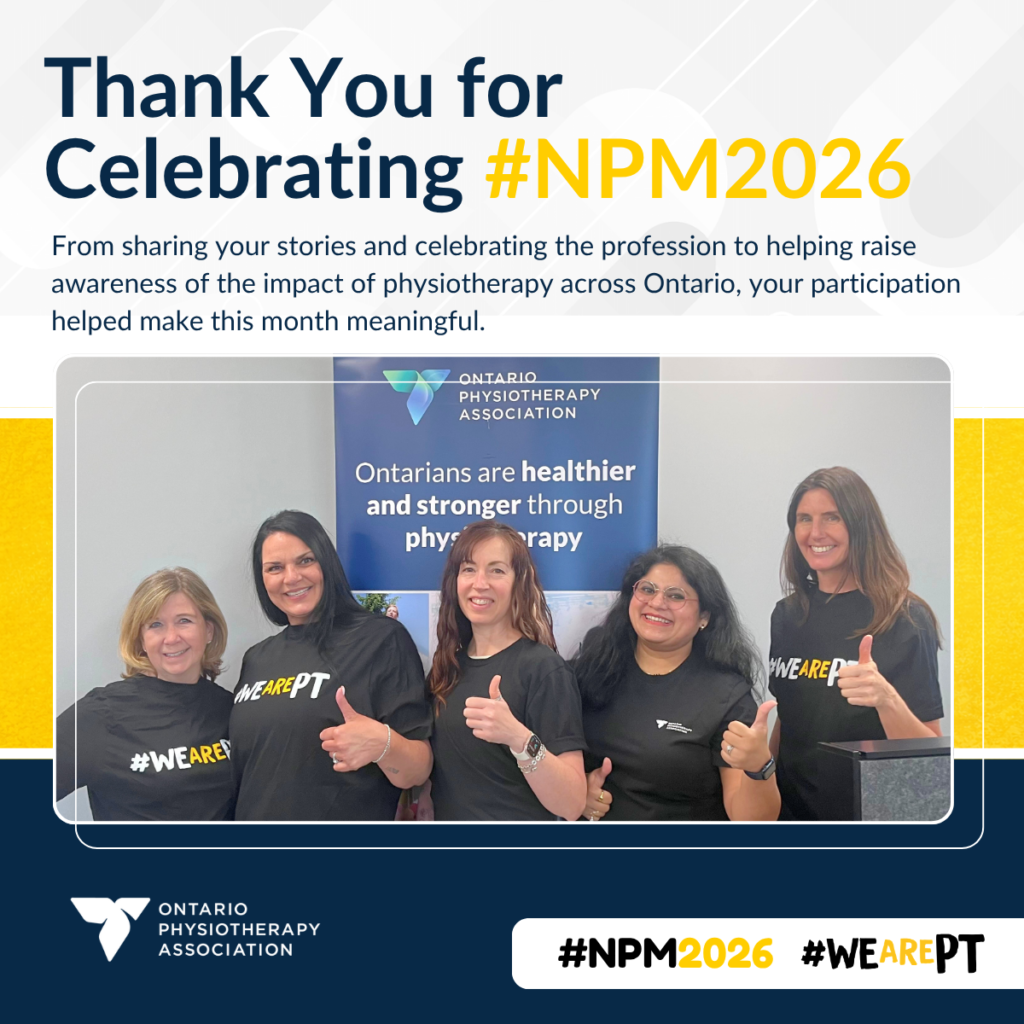
Ontario Physiotherapy Association staff thank you for celebration national physiotherapy month 2026

OPA Contest 

Every OPA member who tagged OPA or submitted their picture and information was automatically entered into the $100 gift card draw.   

Congratulations to Fowler Kennedy Sports Medicine Clinic who won the draw! 

OPA Leadership Attends Congress 2026! 

We were excited to have several engaged OPA members and staff attend the Canadian Physiotherapy Association’s Congress from May 29-30, 2026, in Halifax. 

Charlotte Anderson, OPA’s President connected with the physiotherapy community across the province, including with Ontario District Presidents. 

District Presidents at Congress

OPA was pleased to see several Ontario District Presidents share their knowledge at Congress. OPA’s Central Toronto District Co-President Tiffany Tiu presented on pain science. Tina Ziebart, District President of London District and Alyssa Benitez, York Region and Scarborough District President discussed older adult care. 

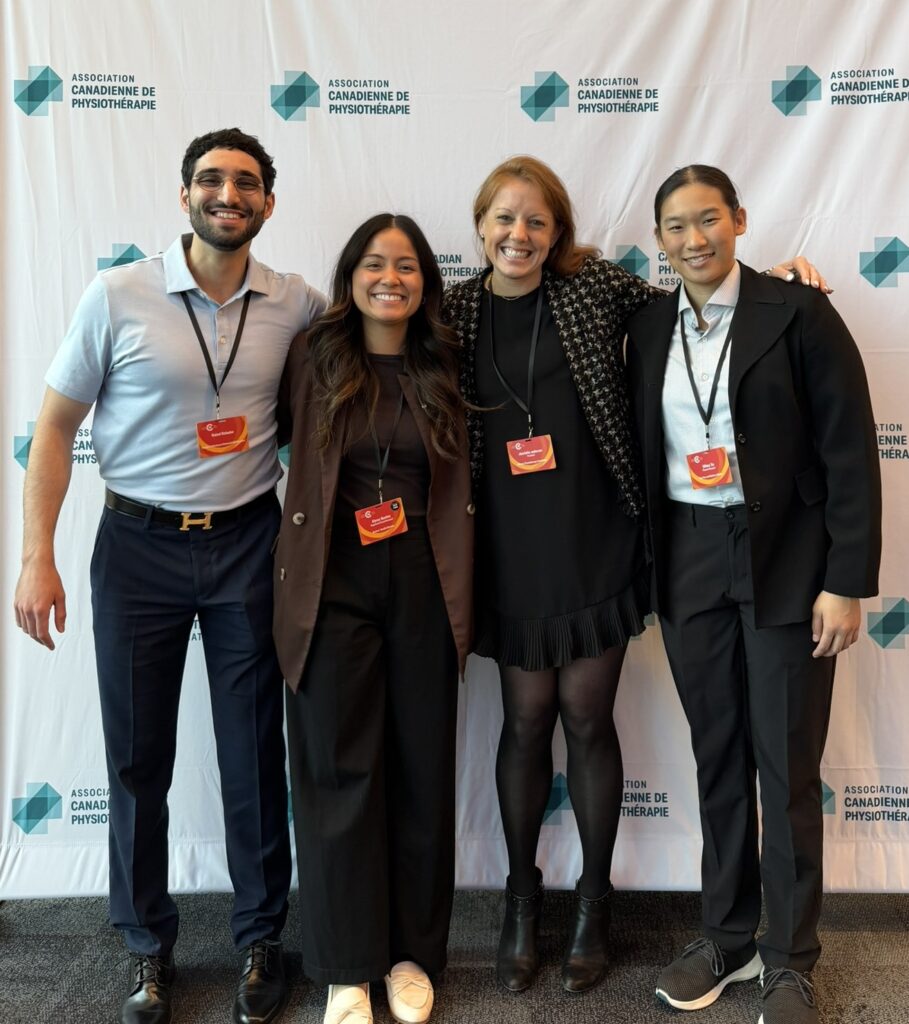
Charlotte Anderson with Alyssa Benitez, York Region Scarborough District President and Tiffany Tiu, Co-President for Central Toronto and another male Physiotherapist

OPA’s Emily Stevenson Co-Moderating Session

We were proud to witness Emily Stevenson, OPA’s Director, Practice and Policy co-moderate a session on primary care. OPA has been consistently advocating that with an increase in primary care funding, physiotherapists must be included as core members of interdisciplinary primary care teams. Increasing the number of primary care physiotherapists in Ontario is an essential step towards improving health system capacity and bringing comprehensive and convenient care to more people in Ontario.     

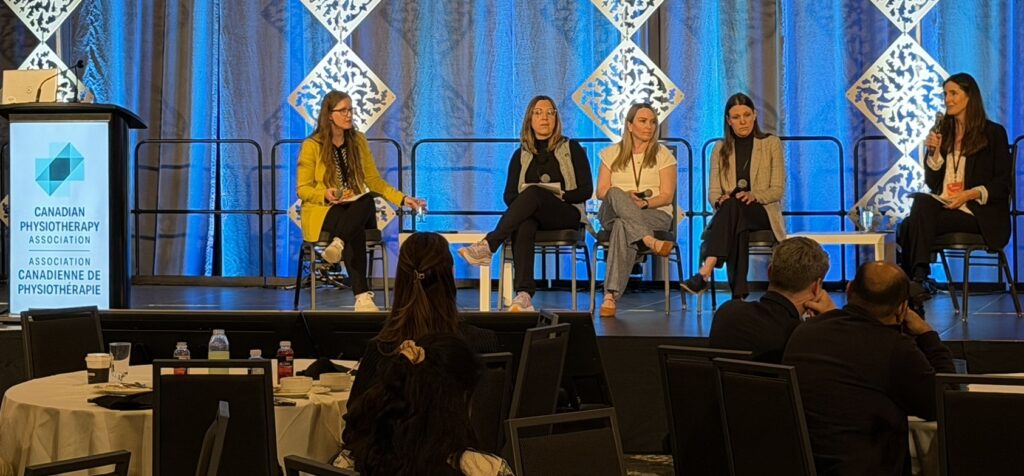
Emily Stevenson, OPA Director, Practice and Policy along with Lisa Carroll at CPA moderating a panel at Congress

Sarah Hutchison Strengthening Relationships

Sarah Hutchison, OPA CEO, along with Jennifer Howey, OPA Board Director, attended and networked with the physiotherapy community across the province, strengthening relationships and bringing back practical ideas to better support OPA members. 

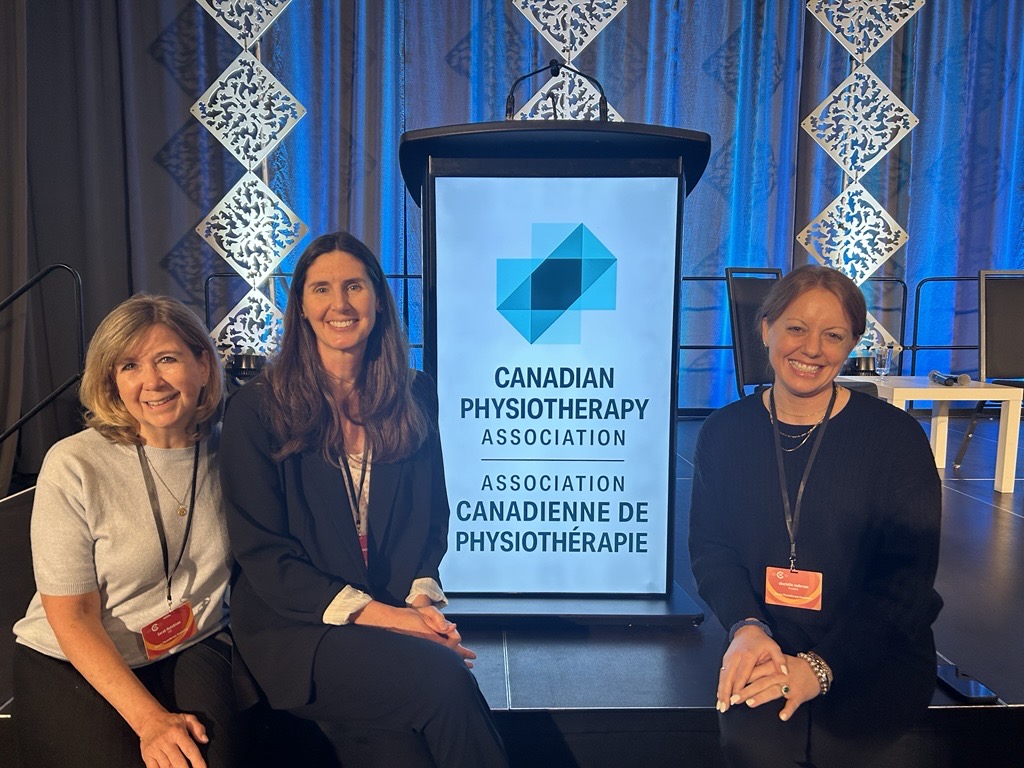
Sarah Hutchison, OPA CEO, Emily Stevenson, Director, and Charlotte Anderson, President at CPA Congress

OPA members and staff were inspired and invigorated by CPA’s Congress and look forward to welcoming CPA members from across the country to OPA’s InterACTION conference in 2027!